What Is Fiji's Haka Called? The Meke At A Cultural Night
Fiji's answer to the haka question is the meke, a story-telling dance performed by men and women. Here is what Tourism Fiji and the operators say, and where to see one on a Nadi evening.
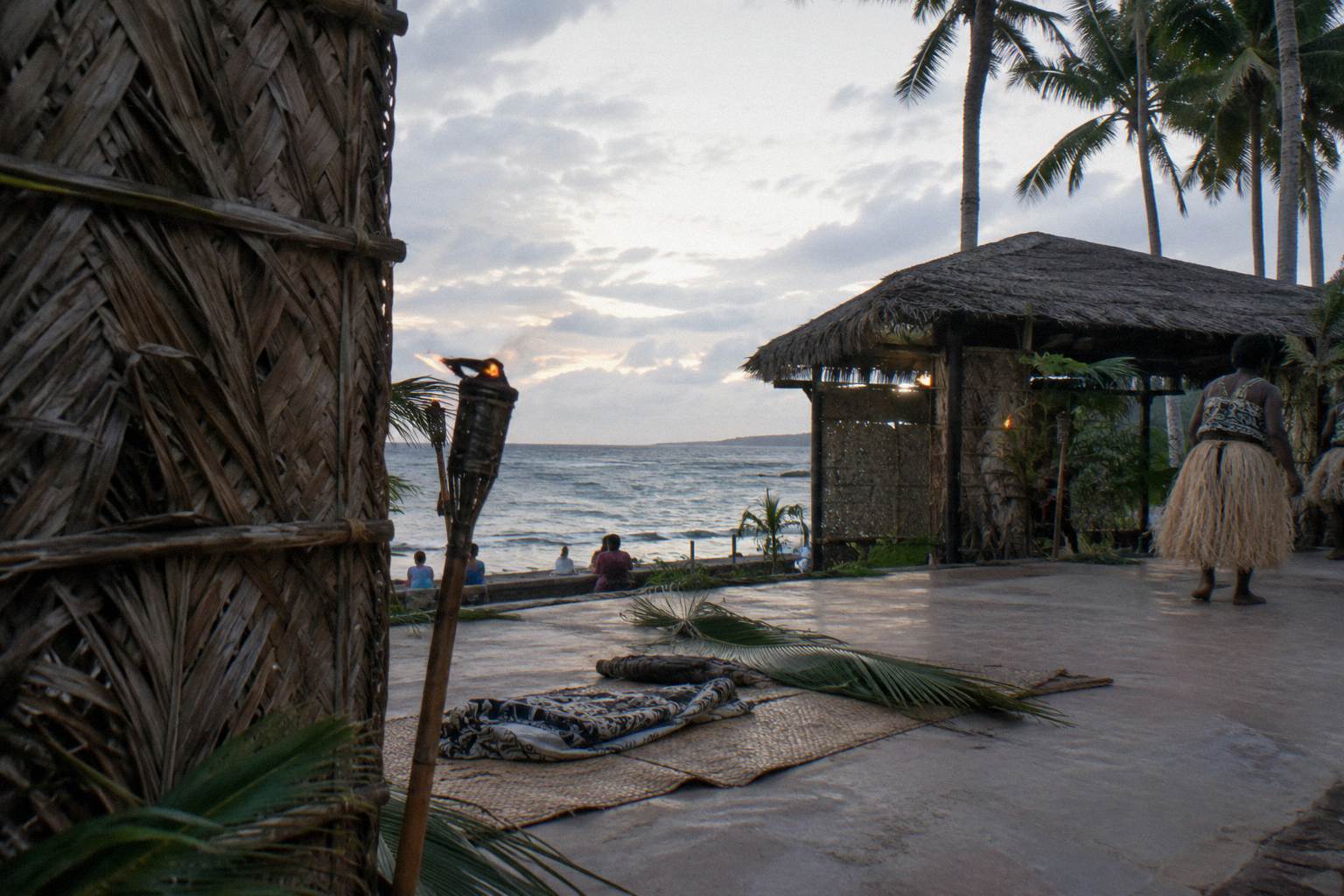
The haka is a Maori practice from New Zealand, not a Fijian one. When people ask what Fiji's equivalent is called, the answer given by Fiji's own tourism body is the meke: a traditional dance performed by men and women to tell stories through song and dance, and it is the centrepiece of the cultural evenings staged around Nadi.
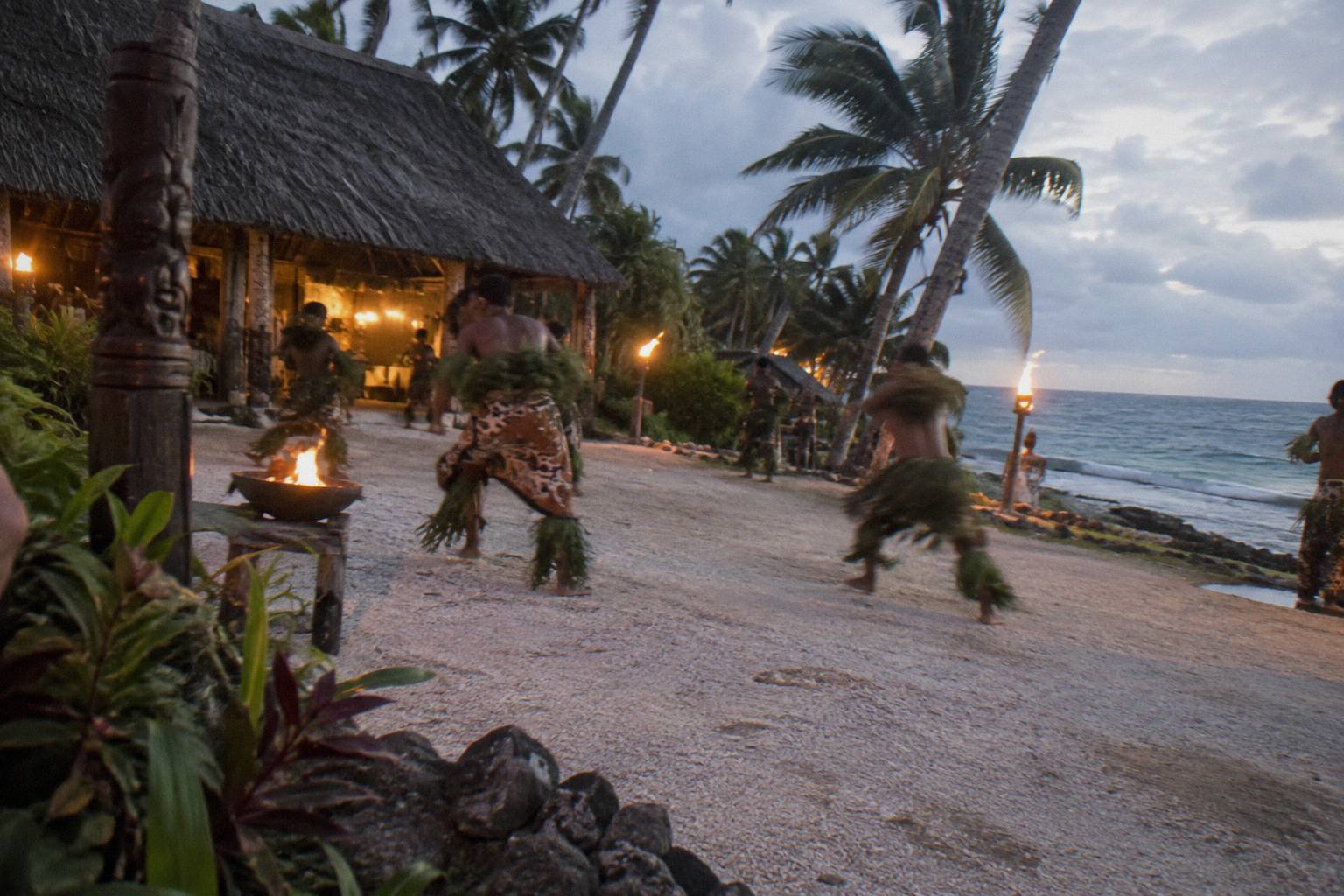
Fiji's answer to the haka is the meke, which Tourism Fiji, the country's national tourism organisation, defines as "a traditional dance performed by men and women of Fiji to tell stories through song and dance." The haka is a Maori practice rather than a Fijian one, so the two share nothing beyond being Pacific dance traditions, but the meke features strong movements for the men, graceful movements for the women, and props that can include clubs, spears and fans.
That distinction matters because the question usually arrives sideways. Someone watches a rugby international, sees the Fijian team perform, and assumes there must be a Fijian haka with a Fijian name. The tradition Fiji actually stages for visitors is the meke, and the way to see one in the evening, with dinner, is a cultural night tour. On those evenings the meke sits inside a full programme: a welcome, a village walk or an island arrival, a lovo dinner, then the dance performance.
The facts in this article come from Tourism Fiji's own cultural pages and from the operators that stage the evenings around Nadi. Where something is not stated by those sources, it is flagged as not stated rather than filled in, because meke traditions carry meanings and histories that a booking page does not always explain, and inventing them would be worse than leaving a gap.
What Tourism Fiji Says The Meke Is
Tourism Fiji's cultural must-dos page gives the definition in one line: the meke is "a traditional dance performed by men and women of Fiji to tell stories through song and dance". The same page describes the men's movements as strong and the women's as graceful, and lists clubs, spears and fans among the props. That is the full extent of the official description, and everything beyond it on this page comes from the operators who stage the evenings.
Why stop there? Because meke traditions carry specific meanings, histories and chant texts that belong to the communities that perform them, and none of that detail appears in the official sources used here. The meanings of any particular meke, the details of the cibi or the "meke wesi" war dance, costume details, lali drum details and chant texts are not covered by these sources, so they are not described. What can be said is what the definition implies: a meke is not a single fixed dance but a form, a way of telling a story through movement and voice, performed by a group.
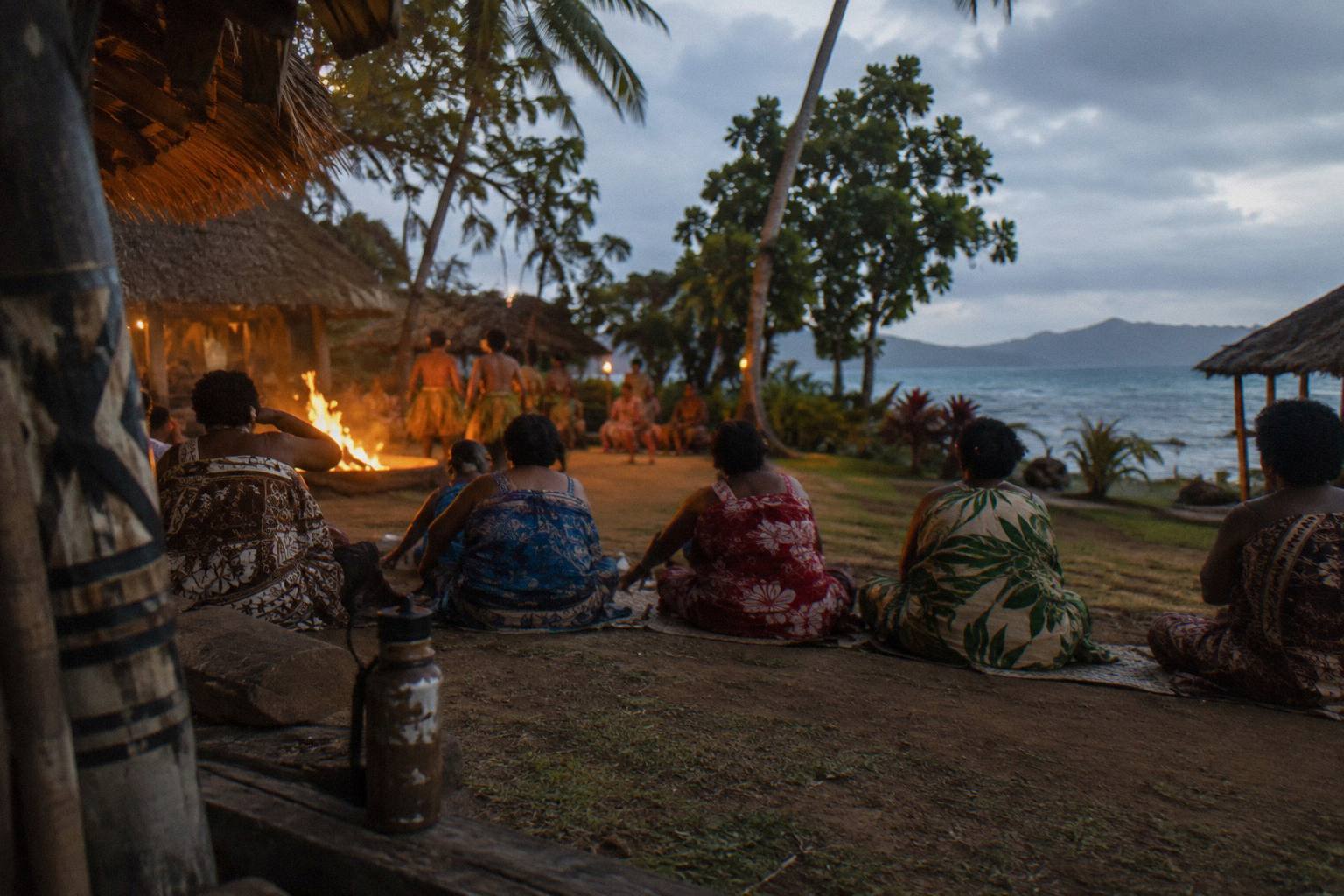
The form matters for what an evening actually looks like. A meke performance is staged, communal and narrated: a group of performers, a set of movements matched to a story, and an audience seated to watch. Tourism Fiji's page names the Fiji Culture Village, just outside Nadi town, as a place to see meke, which is a useful pointer for anyone staying in the Nadi or Denarau area who wants the answer to the haka question delivered in person rather than read about.
| What the sources state about the meke | Source |
|---|---|
| "A traditional dance performed by men and women of Fiji to tell stories through song and dance" | Tourism Fiji's cultural must-dos page |
| Men's movements are strong, women's are graceful | Same page |
| Props include clubs, spears and fans | Same page |
| The Fiji Culture Village, just outside Nadi town, is a place to see meke | Same page |
| A meke show runs at 7:50pm on the Culture Village evening, followed by a fire dance | The operator's night tour page |
| Valentine Tours Fiji bills its Nadi evening with a meke show | The booking page |
One more clarification the definition settles: the haka is a Maori practice, not a Fijian one, and nothing more needs to be said about it here. Fiji's tradition is the meke, and the rest of this article is about where and how that tradition reaches a visitor on an evening around Nadi.
How The Meke Fits Into A Cultural Evening
That structure is worth understanding before booking, because visitors sometimes arrive expecting ninety minutes of continuous dance. What the operators actually list is a sequence, and the meke is the payoff at the end of it. The Fiji Culture Village timeline runs door to door like this: hotel pick-up from 4:20pm out of Denarau, Nadi and Wailoaloa hotels, a warrior welcome at 5:15pm, a guided village walking tour at 5:30pm, the unearthing of the lovo at 6:45pm, the kava ceremony at 7:00pm, the buffet dinner at 7:20pm, the meke show and fire dance at 7:50pm, and farewell and departure at 8:30pm. The operator calls it about four to four and a half hours door to door, and the return transfer from Nadi and Denarau hotels is included.
The evening runs Monday to Saturday, with Sunday closed, and the operator has posted a notice closing the village for annual maintenance from Monday 22 February 2027 until reopening on Wednesday 10 March 2027, with online orders after 21 February 2027 still processed. The child rate applies to ages 5 to 12.
| Time | What the operator lists |
|---|---|
| 4:20pm | Hotel pick-up from Denarau, Nadi and Wailoaloa hotels |
| 5:15pm | Warrior welcome |
| 5:30pm | Guided village walking tour |
| 6:45pm | Unearthing of the lovo |
| 7:00pm | Kava ceremony |
| 7:20pm | Buffet dinner, lovo food |
| 7:50pm | Meke show and fire dance |
| 8:30pm | Farewell and departure |
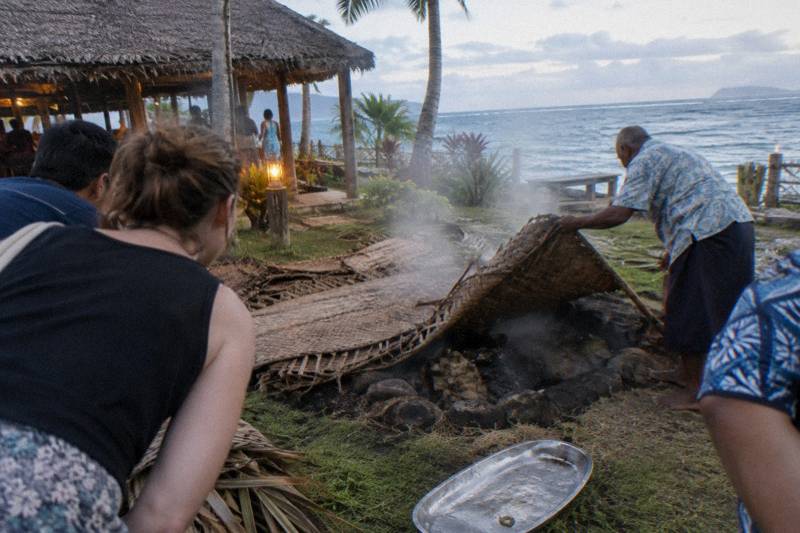
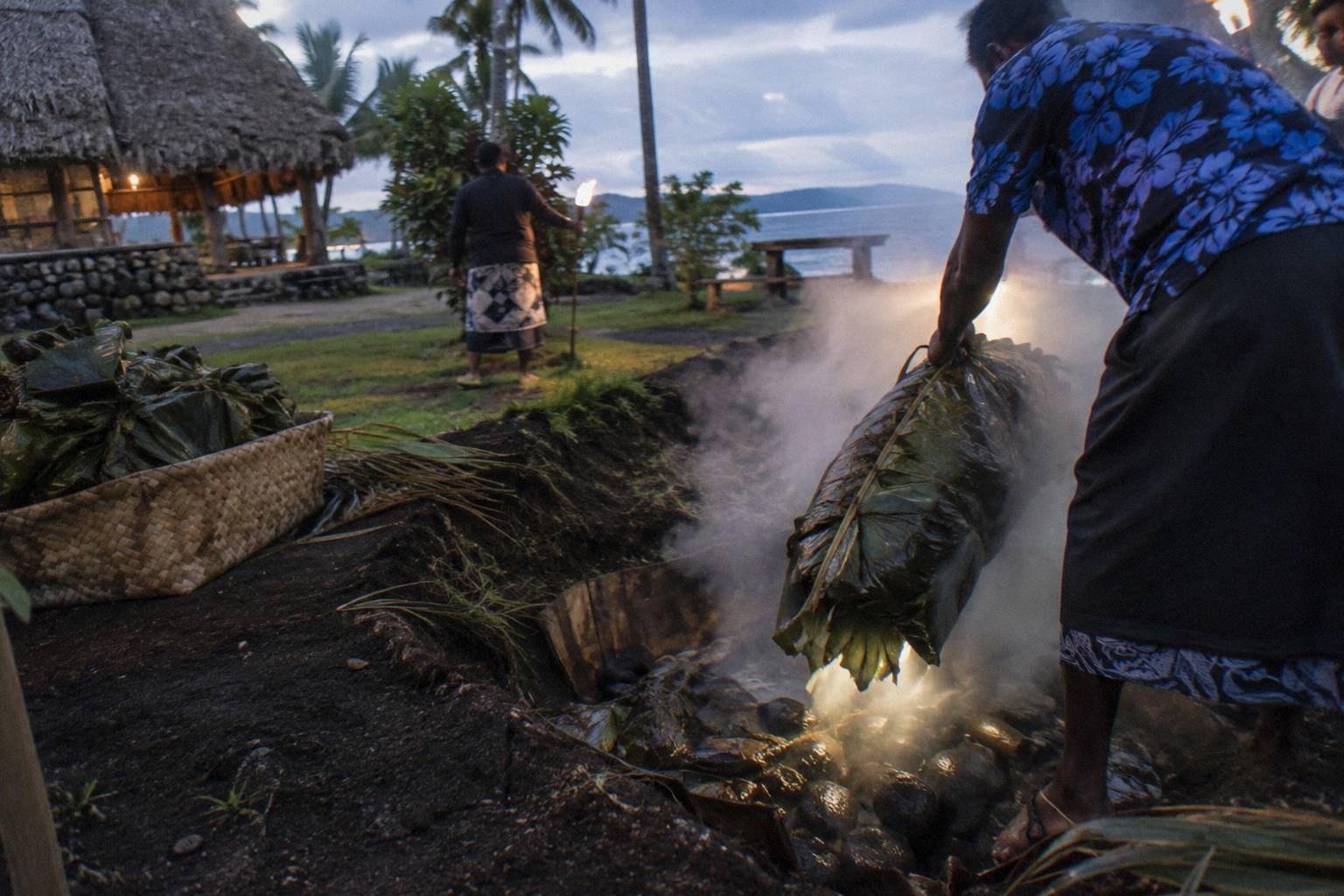
The lovo that precedes the meke is itself a tradition worth knowing by name: Tourism Fiji describes it as a communal earth oven in which meat, fish and root crops such as taro are cooked on white-hot stones in a covered pit for a few hours, with women preparing the food and men tending the fire. The kava ceremony that opens the dining part of the evening has its own etiquette, and Tourism Fiji's kava guide covers the bilo, the tanoa and the claps that go with accepting a cup.
This is the evening that answers the haka question most directly, because the meke is named on the programme: the Culture Village Evening Tour With Dinner And Show is the tour to open first if seeing a meke near Nadi is the point of the search. It carries a 4.6 rating. The operator's rates are F$175 adult, F$105 for a child aged 5 to 12, and F$500 for a family of 2 adults and 2 children, valid to 31 December 2026, then F$189, F$115 and F$550 for 2027. Check availability
Where Else To See A Meke On An Evening Near Nadi
The Valentine Tours Fiji evening is the closest match in shape to the question. It is an evening in Nadi, with dinner and a meke show, roughly three hours from pick-up to drop-off. Anyone weighing it against the Culture Village evening is really weighing a published, itemised timeline against a shorter evening with fewer published details.
The Robinson Crusoe evening is a different animal. Its Monday, Wednesday and Saturday show runs 5pm to 9pm on Likuri Island, about four hours on the island plus the coach transfer from Nadi, Denarau and Coral Coast hotels, with the boat leaving the mainland jetty at 5:00pm. The itinerary the operator lists runs: arrival and an island welcome at 5:45pm, a sunset beach bonfire with serenaders at 6:00pm, the lovo unearthing with a fire walking demonstration at 6:30pm, a lovo buffet dinner at 7:00pm followed by the "Legends of the Pacific" show with fire and knife dancing, the Isa Lei farewell at 9:00pm and the boat out at 9:15pm. The highlights also include a sevusevu welcome ceremony with kava tasting and a 30-minute river cruise down the Tuva River.
What that programme does not bill is a meke. The dance element is the "Legends of the Pacific" show with fire and knife dancing, and the knife-dancing part has a lineage worth naming correctly: siva afi, the fire-knife dance, is Samoan in origin and is staged in Fiji shows, so it is not itself a Fijian tradition in the way the meke is. Readers who want the full picture of that distinction can read more in the guide to the siva afi fire-knife dance and its origins, while the meke itself is covered in depth in what a meke performance in Fiji involves.
A third name sometimes appears in searches for cultural shows: Damodar Arts Village in Pacific Harbour, which reopened with meke performances from an open-air pavilion and a firewalking ceremony the venue says is performed by the renowned firewalkers of Beqa. Its first public cultural show was at 11am, a daytime performance rather than an evening dinner, and it is not a tour that can be booked through this site; it is mentioned only because the haka question often drags every Fijian dance form into one search.
Fire Performances And What Not To Confuse With The Meke
Fire performances are part of these evenings, but they are not the meke. The Fiji Culture Village lists a fire dance right after its 7:50pm meke show, Robinson Crusoe lists fire walking at 6:30pm plus a fire-and-knife-dance show after dinner, and firewalking is its own Fijian tradition, attributed by Tourism Fiji to Beqa's Sawau tribe and entirely separate from the story-dance that answers the haka question.
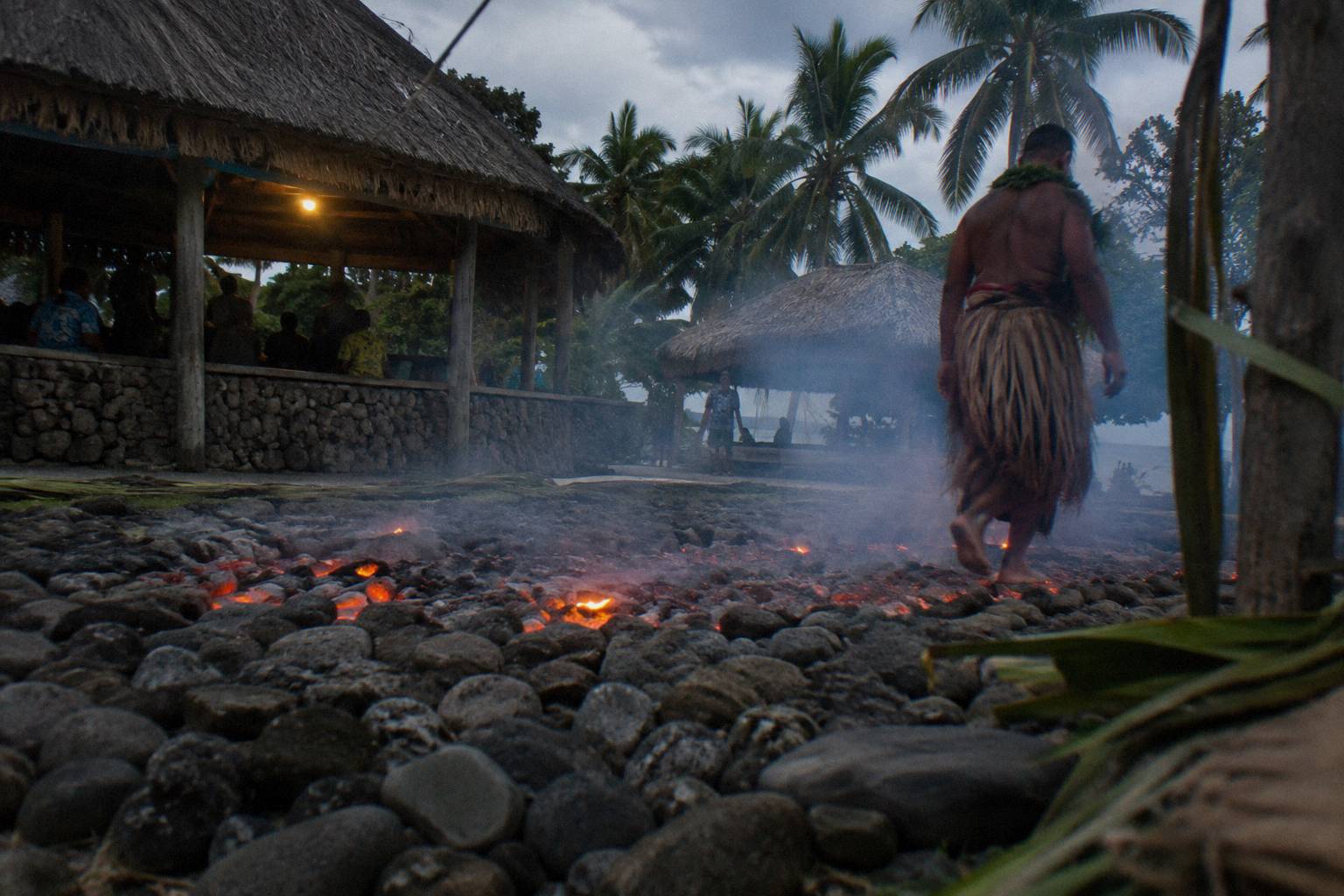
The legend, told in Tourism Fiji's own terms: Tuinaiviqalita, seeking an eel as a gift, caught a spirit god known as a veli; the veli offered power over fire to him and his descendants and showed him by stepping on white-hot stones, and that power, in Tourism Fiji's wording, only flows through Tuinaiviqalita's bloodline to members of Beqa's Sawau tribe. Beqa (pronounced Benga) is the island the tradition is named for. Tourism Fiji also notes that firewalking is performed on Viti Levu at major hotels in Pacific Harbour, the Coral Coast and Denarau as resort entertainment, and advises checking with those resorts directly; no resort is named or priced here, and no Beqa trip or resort firewalking show can be booked through this site.
Keeping the three fire things straight avoids most of the confusion at the heart of the haka question. The meke is the Fijian story-dance: sung, danced, communal, sometimes carrying clubs and spears as props. Firewalking is the Sawau tradition of Beqa, walked on stones, with its own legend. Siva afi, the fire-knife dance, is Samoan in origin and appears in Fiji's staged island shows. A visitor who sees all three in one evening on Likuri Island has seen one Fijian dance tradition and one borrowed Polynesian form, plus a demonstration of a third tradition whose performers the operator does not identify.
| Performance | What the sources say it is | Where it appears on the evenings |
|---|---|---|
| Meke | A traditional dance performed by men and women of Fiji to tell stories through song and dance, per Tourism Fiji | Fiji Culture Village, 7:50pm; Valentine Tours Fiji evening, time not stated |
| Fire dance (Culture Village) | Listed by the operator after the meke show; no further detail given | Fiji Culture Village, 7:50pm slot |
| Fire walking demonstration | Listed by the operator; who performs it is not stated | Robinson Crusoe island, 6:30pm |
| Fire and knife dancing ("Legends of the Pacific") | Siva afi, the fire-knife dance, is Samoan in origin and staged in Fiji shows | Robinson Crusoe island, after 7:00pm dinner |
| Firewalking ceremony | The venue says it is performed by the renowned firewalkers of Beqa | Damodar Arts Village, Pacific Harbour, 11am daytime show |
For readers whose interest in the haka question is really an interest in fire, the island evening is the stronger draw, and which evening gives the best fire dance show compares them side by side. For readers whose interest is the dance form itself, the village evening names the meke on its programme and is the direct answer.
What Trips People Up When Asking About Fiji's Haka
The biggest mix-ups are calling the meke a haka, expecting every cultural evening to include one, and treating fire and knife dancing as Fijian in the same sense. The haka belongs to the Maori and the meke is Fiji's own form, but some island shows favour fire and knife dancing instead, and knife dancing traces to Samoa, with firewalking a separate tradition from Beqa.
A second set of trip-ups is practical. People book a Monday-to-Saturday village evening for a Sunday, which is closed, and Tourism Fiji's etiquette page notes that Sundays are sacred and most village tours do not run. People plan a February or early-March 2027 visit without knowing the village closes for annual maintenance from 22 February to 10 March 2027. People compare evenings on price and find only one published: the Culture Village operator rates in F$, while Robinson Crusoe, Valentine Tours Fiji and VOU leave price to the booking page, and no honest comparison can fill the gap with a guessed number.
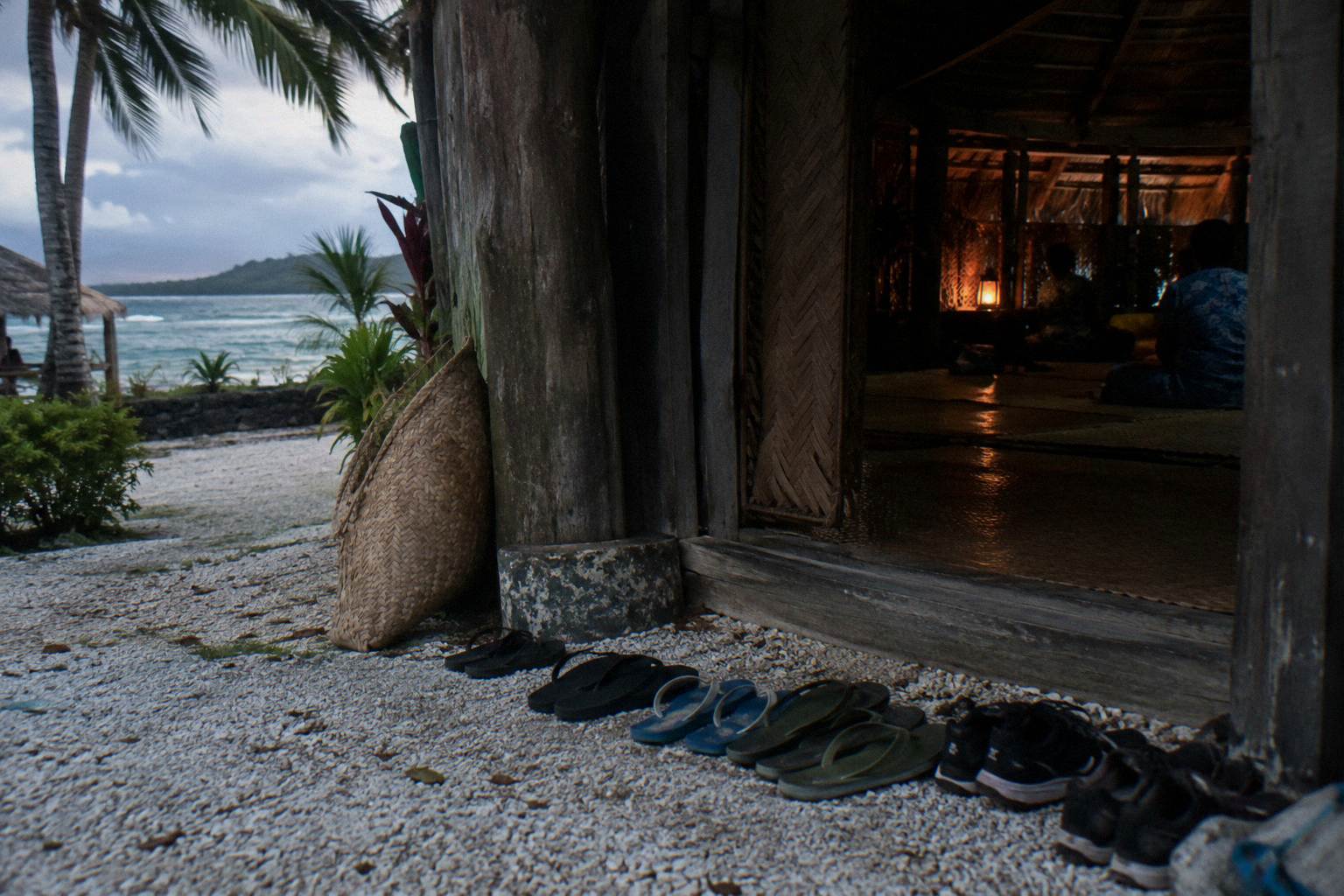
A third set is cultural. The sources used here do not cover the meanings of particular meke, the cibi or "meke wesi" war dance, costume details, the lali drum or chant texts, and an evening does not become richer by inventing them. What a visitor can bring instead is the etiquette Tourism Fiji publishes for village settings: cover bare shoulders and legs, wrap a sulu at the waist, remove hat and sunglasses before entering, ask permission before photographs, remove shoes before entering any building, and do not touch anyone's head. Robinson Crusoe asks the same of its Combo guests, with spare sulus available. The site behind this article, Fiji Cultural Night Tours, exists because these evenings reward a little preparation.
Finally, expectations. The meke show on a staged evening is a performance listed at a fixed time, not an all-night ceremony, and the evenings around it run on published timelines that end by 8:30pm or 9:00pm. Anyone wanting to know how the timing fits a wider evening plan can check how long a Fiji cultural night lasts before choosing.
If the meke is the reason for booking, the choice narrows to the village evening with the named 7:50pm meke show and the shorter Nadi culture night that bills one, with the island show standing apart as the fire-led alternative.
Common Questions About The Fijian Meke
What Is Fiji's Haka Called? The Meke At A Cultural Night?
Fiji's tradition is the meke, which Tourism Fiji defines as a traditional dance performed by men and women of Fiji to tell stories through song and dance. The haka is a Maori practice, not a Fijian one. On a cultural evening near Nadi, the meke is the dance performance to look for.
Where Can I See A Meke Near Nadi?
Tourism Fiji names the Fiji Culture Village, just outside Nadi town, as a place to see meke. Its evening tour lists a meke show at 7:50pm, and Valentine Tours Fiji bills a Nadi culture night with dinner and a meke show lasting about three hours.
Is The Meke The Same As The Haka?
No. The haka is a Maori practice from New Zealand. The meke is Fiji's own story-dance tradition, with men's movements described by Tourism Fiji as strong, the women's as graceful, and props that can include clubs, spears and fans.
Does Every Fiji Cultural Evening Include A Meke?
No. The Fiji Culture Village evening and the Valentine Tours Fiji evening both bill a meke show. The Robinson Crusoe island evening instead lists a lovo dinner followed by a "Legends of the Pacific" show with fire and knife dancing, which is not billed as a meke.
Is The Fire Dance Part Of The Meke?
On the Fiji Culture Village evening the fire dance is listed after the 7:50pm meke show, as a separate item. Fire and knife dancing on the island show is siva afi, which is Samoan in origin and staged in Fiji shows, and firewalking is a separate Fijian tradition associated with Beqa's Sawau tribe.
What Does The Word Meke Mean?
The sources used here give the definition but no separate translation of the word itself. Tourism Fiji describes the meke as a dance that tells stories through song and dance; the meaning of any particular meke, and the chant texts, are not covered by these sources.