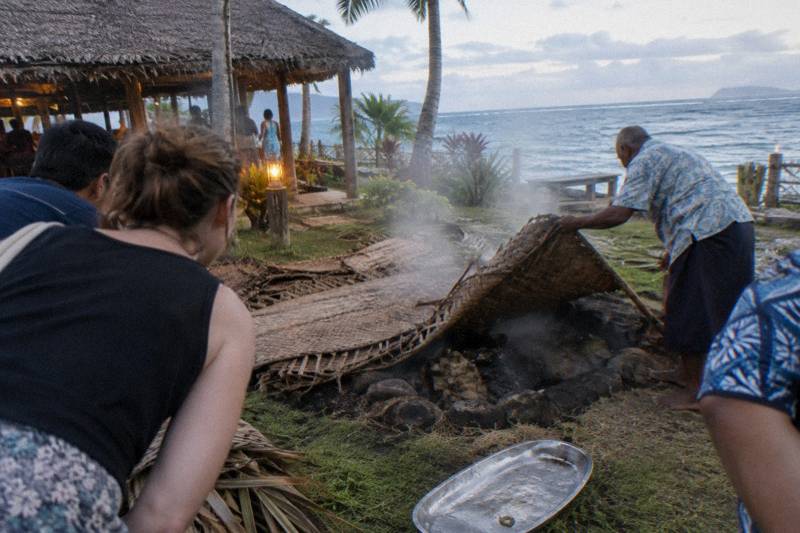
Fiji Traditional Dance Show: Meke Styles You May See
The meke is Fiji's own story dance, and it anchors most cultural evenings around Nadi. This guide sets out what the sources actually say about the dance styles, the fire performances that follow them, and how the bookable evenings differ.
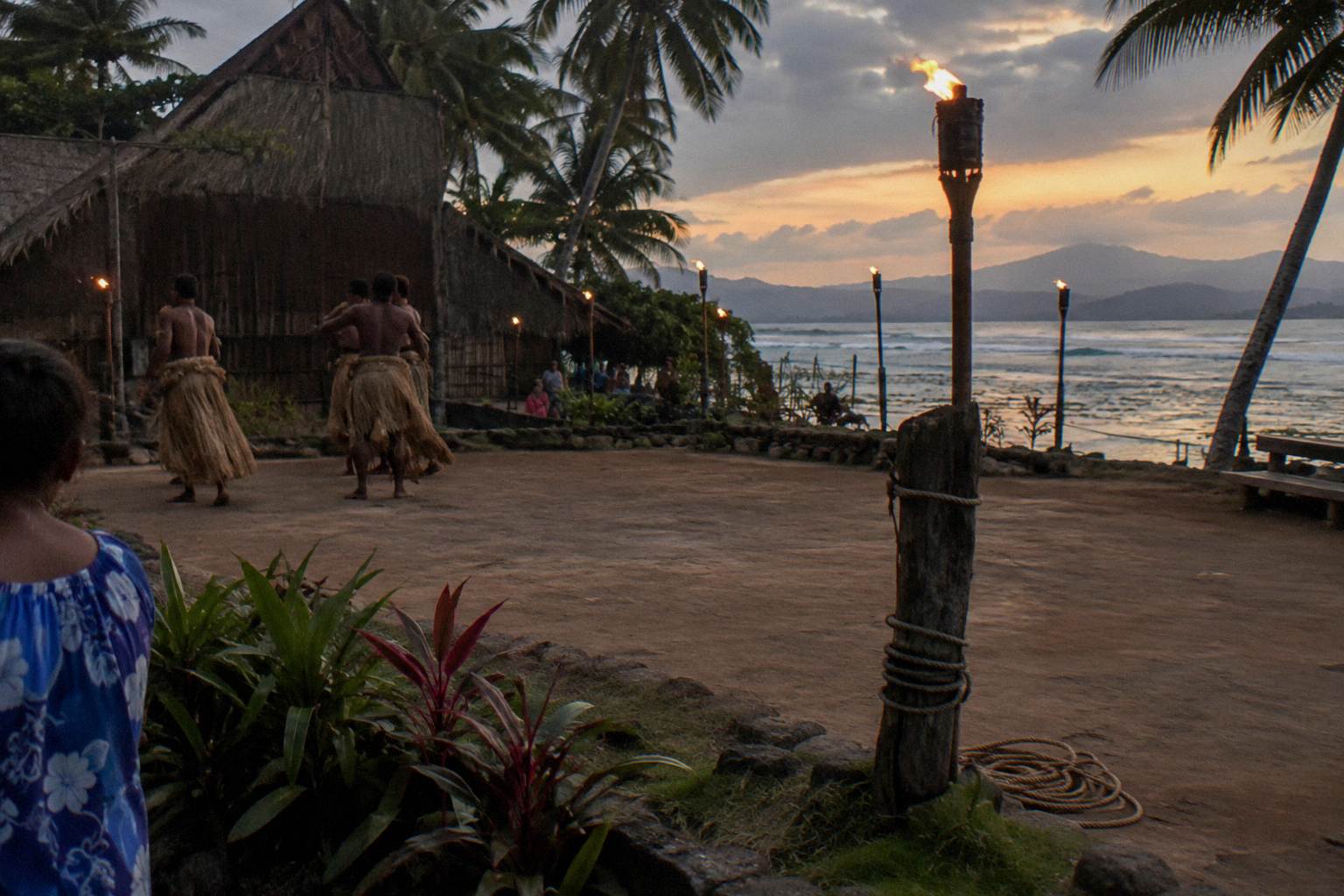
Short answer
Tourism Fiji defines the meke as a traditional dance performed by men and women to tell stories through song and dance, with strong men's movements, graceful women's movements, and props such as clubs, spears and fans. Fiji Culture Village stages a meke show at 7:50pm on its Monday to Saturday evening, from F$175 per adult.
Fiji's traditional dance is the meke, and Tourism Fiji names the Fiji Culture Village, just outside Nadi town, as a place to see it. Around Nadi and the Coral Coast, several evenings stage the meke alongside lovo dinners, kava ceremonies and fire performances. This guide sets out what the official sources say about each dance style, and how the bookable evenings compare.
What Is A Fiji Traditional Dance Show?
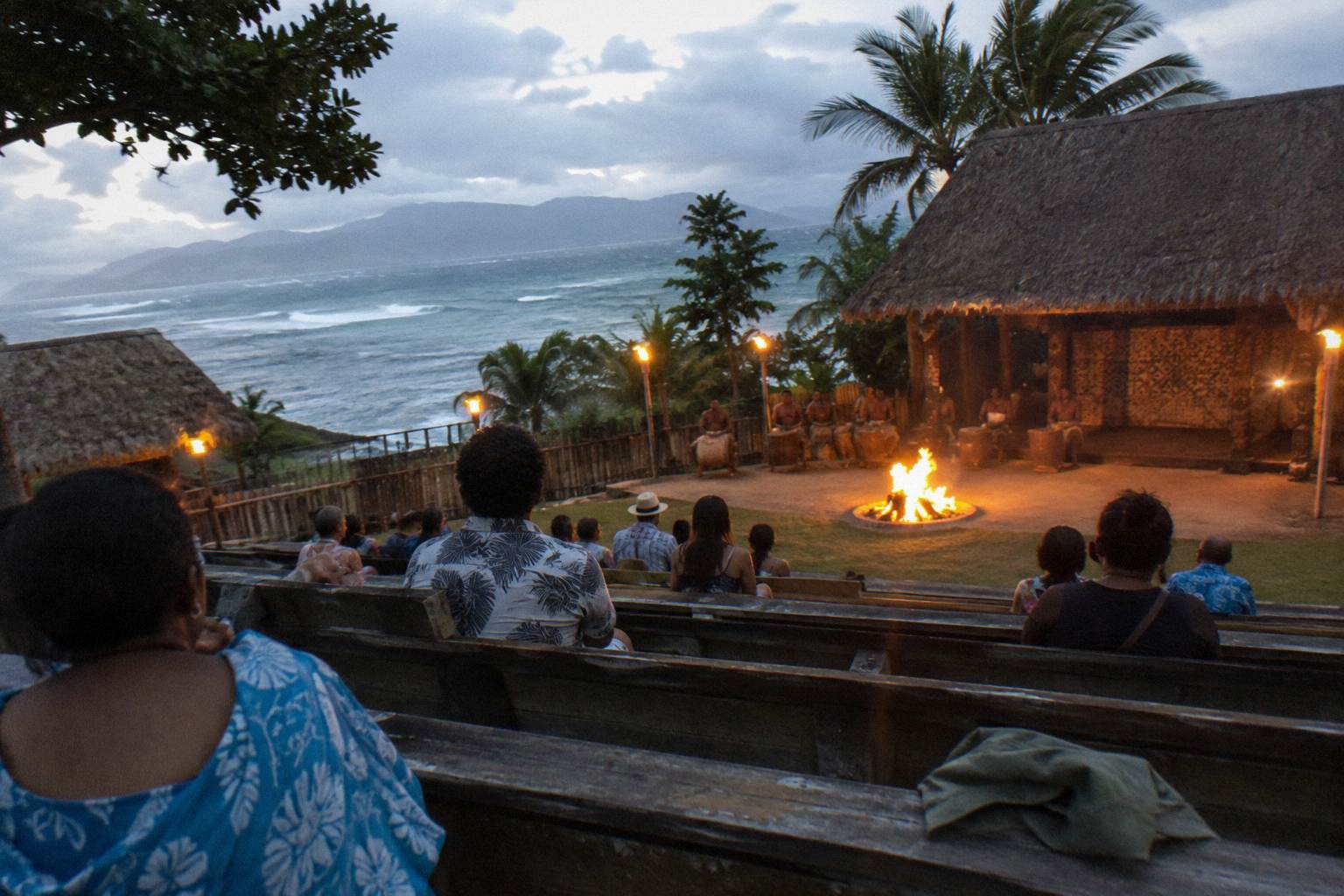
A Fiji traditional dance show is an evening built around the meke, which Tourism Fiji defines as "a traditional dance performed by men and women of Fiji to tell stories through song and dance". Men's movements are strong, women's are graceful, and props include clubs, spears and fans. On the bookable evenings, the meke sits inside a fuller program of welcome ceremonies, kava, lovo dinner and, on some nights, fire performances.
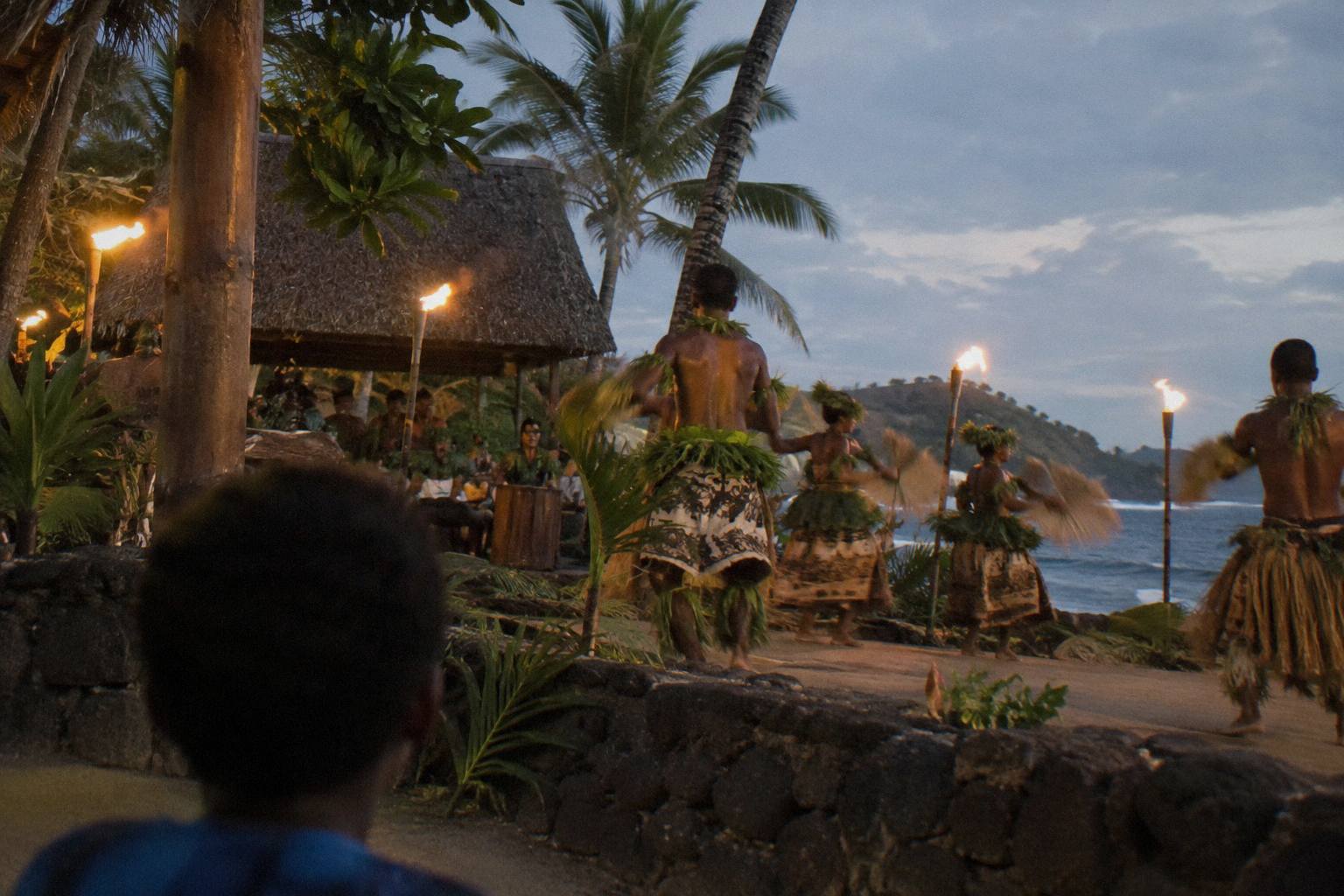
That definition comes from Tourism Fiji's cultural must-dos page, which is the national tourist body's own description of the dance form. It is worth reading closely, because it is almost everything the official record says about meke as a style. The page describes a storytelling form: dance and song together carrying a narrative, with men and women performing distinct roles. What any particular meke means, its chant texts, costume details and the lali drum's role in performance are not covered by the sources here, so this guide does not go beyond them.
Two things commonly get folded into "traditional dance" in Fiji that deserve to be kept apart. The first is the haka, which is a Maori practice from Aotearoa New Zealand, not a Fijian one. When the question "What is Fiji's haka called?" comes up, the answer is simply the meke, in Tourism Fiji's definition above, and nothing more. The second is fire performance, which appears on several Fiji evenings but is not the meke. Firewalking is Fiji's own Sawau tradition from Beqa (pronounced Benga), while the fire-knife dance, siva afi, is Samoan in origin and staged in Fiji shows. Both are treated in their own section below.
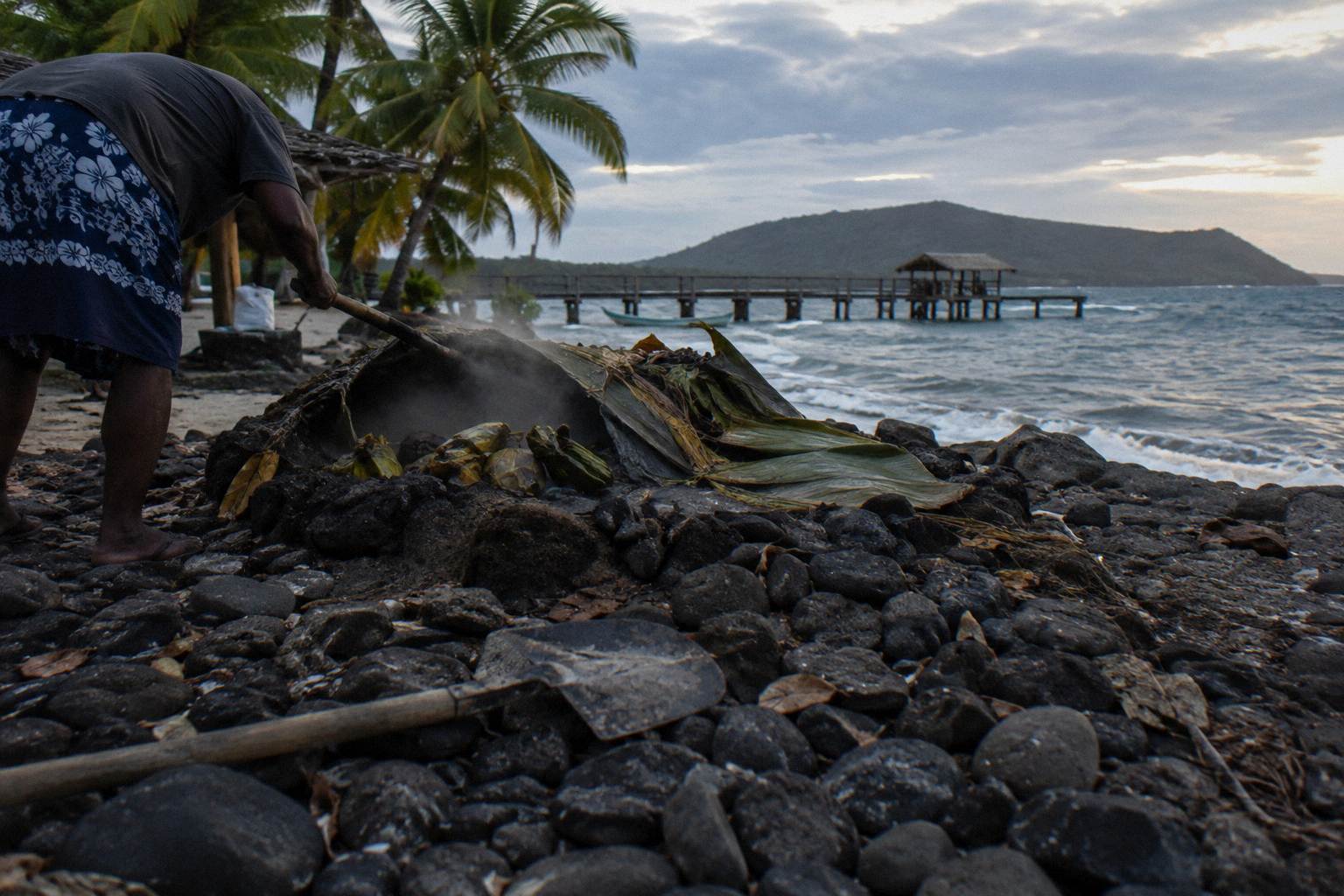
A dance show evening in the Nadi area is therefore usually a package: a welcome, sometimes a village walk, a lovo dinner unearthed from an earth oven, and then the performance program. The two operators with published itineraries, Fiji Culture Village and Robinson Crusoe Island Tours, both slot their dance segments after dinner, at 7:50pm and after the 7:00pm buffet respectively. That shape, dinner first and dance after, is consistent across the published schedules.
The Meke Itself: Men's And Women's Styles You May See
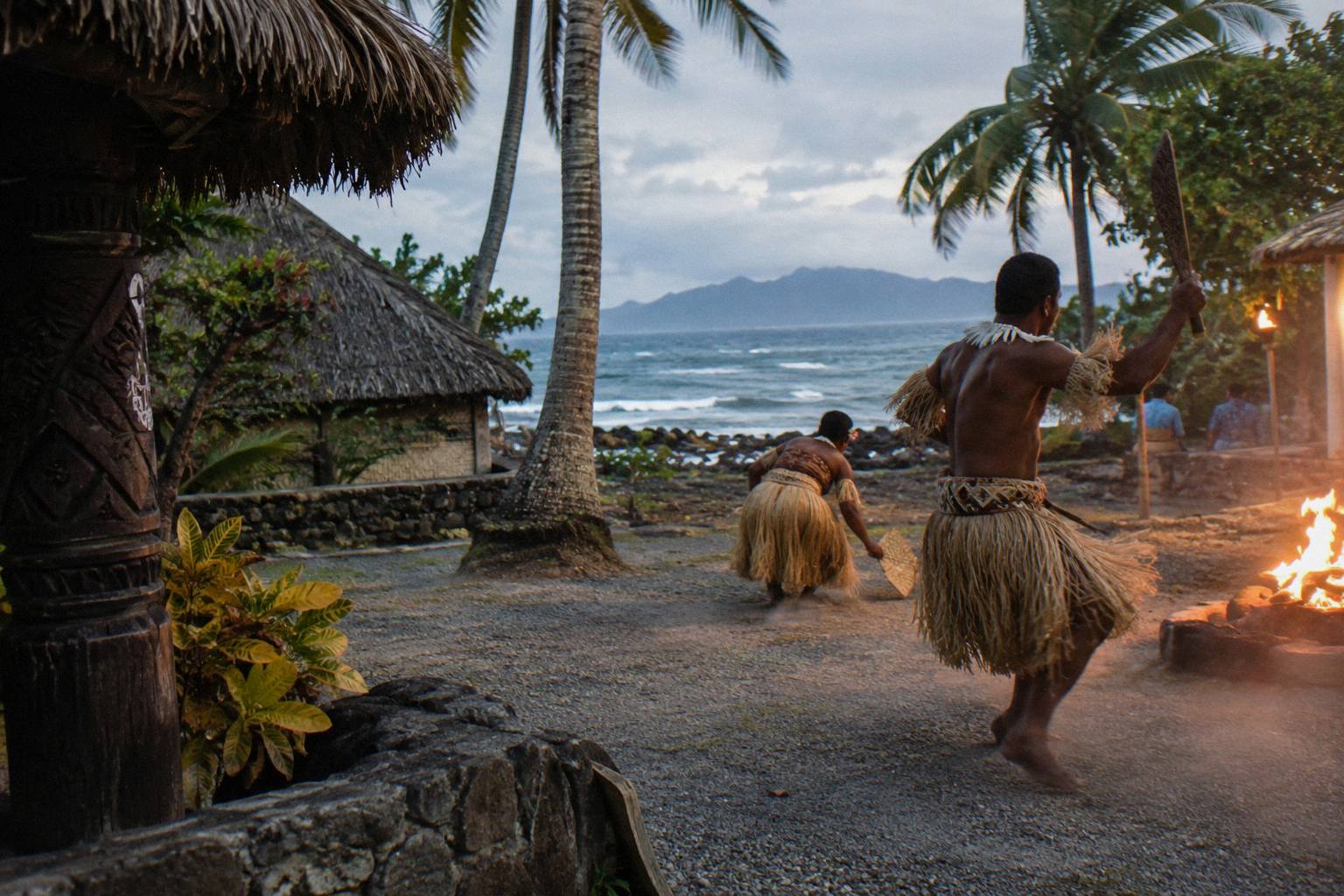
On stage, the meke splits along the lines Tourism Fiji describes: men dance with strong movements, women with graceful ones, and both carry props that can include clubs, spears and fans. The stories are told through song and dance together. Beyond those movement descriptions and prop lists, no style names, chant texts or named meke varieties appear in the official sources, so none are invented here.
The distinction matters when you are watching. Tourism Fiji's wording pairs strong and graceful as the two registers of the form, which gives you a way to read what you are seeing: the contrast between the men's and women's movements is part of the storytelling, not two separate dances bolted together. The props are narrative tools too. Clubs, spears and fans are the listed items, and the must-dos page does not assign them to particular stories.
For readers who want the deeper background, two companion pieces cover the adjacent ground: what a meke is in Fiji expands on the form itself, and the guide to Fiji's war dance tradition addresses the cibi and related questions. The cibi and the "meke wesi" war dance are not detailed in the sources used here, so this page leaves them to that guide rather than repeating guesswork.
Where can you actually see a meke around Nadi? Tourism Fiji names the Fiji Culture Village by name as a meke venue, and two of the bookable evenings list a meke show outright. The shortlist below pulls together the three Nadi evenings that are bookable here.
The Culture Village evening is the full village program with a published minute by minute timeline. Valentine Tours Fiji runs a shorter, about 3 hour night billed with a meke show. VOU's evening is a theatrical dinner show with drumming, a stage format rather than a village meke night, which makes it the contrast case for readers deciding between tradition and theatre.
Which Evenings Around Nadi Actually Stage A Meke?
Two of the bookable evenings list a meke show by name: Fiji Culture Village stages its meke at 7:50pm, followed by a fire dance, and Valentine Tours Fiji bills its roughly 3 hour Nadi night with a meke show. Robinson Crusoe's island evenings instead stage fire walking and a "Legends of the Pacific" show with fire and knife dancing, and VOU runs a theatrical dinner show with drumming rather than a village meke.
The Culture Village evening is the one with the fully published program, and its rating stands at 4.6, rating only. Its Monday to Saturday timeline runs from a 4:20pm hotel pick-up in Denarau, Nadi or Wailoaloa through a 5:15pm warrior welcome, a 5:30pm guided village walk, the lovo unearthing at 6:45pm, a kava ceremony at 7:00pm, a lovo buffet at 7:20pm, and the meke show and fire dance at 7:50pm, ending with farewell and departure at 8:30pm. The operator's rate is F$175 per adult, F$105 per child aged 5 to 12, or F$500 for a family of 2 adults and 2 children, valid to 31 December 2026; the 2027 rates are F$189, F$115 and F$550 respectively. The operator's notice also closes the village for annual maintenance from Monday 22 February 2027 to reopening Wednesday 10 March 2027.
Valentine Tours Fiji's evening is lighter on published detail. It is a Nadi culture night with dinner and a meke show, hotel pick-up from the Nadi and Denarau area, and a duration of about 3 hours. What it offers a dance focused reader is the shortest published evening of the three, useful if a late start or an early morning the next day rules out a four hour program.
Robinson Crusoe's Sunset Dinner Show does not bill a meke. Its published program is a sevusevu welcome ceremony with kava tasting, a sunset beach bonfire with serenaders and a string band, a lovo unearthing at 6:30pm with a fire walking demonstration, and after the 7:00pm lovo buffet the "Legends of the Pacific" show with fire and knife dancing. If your priority is the meke specifically, this is the wrong evening; if fire performance is the draw, it is the strongest program. The operator's own Sunset Dinner Show page carries the full itinerary.
| Evening | Dance billed | Fire performance | Published duration | Nights |
|---|---|---|---|---|
| Culture Village Evening Tour With Dinner And Show | Meke show | Fire dance after the meke | About 4 to 4.5 hours | Monday to Saturday |
| Valentine Tours Fijian Culture Night, Dinner And Meke Show | Meke show | Not stated | About 3 hours | Not stated |
| Robinson Crusoe Sunset Dinner And Fire Show | Fire and knife dancing in "Legends of the Pacific" | Fire walking demonstration at 6:30pm | About 4 hours on the island | Monday, Wednesday, Saturday |
| VOU Evening Dinner And Show | Theatrical show with drumming | Not stated | About 3 hours | Not stated |
The table shows the honest split: the two Nadi village style evenings carry the meke, the island evening carries the fire program, and VOU carries neither in the traditional sense. That is a format difference, not a quality ranking, and the rest of this guide is built around choosing between formats rather than ranking them.
For readers weighing the island option on its own terms, the companion guide to the Robinson Crusoe island cultural night walks the transfer logistics, the jetty location near Natadola Beach and the cancellation window in full.
Booking is a reasonable thing to settle once the format is chosen. The operators run fixed nights, so the calendar is the real constraint: Culture Village runs Monday to Saturday, Robinson Crusoe's evening runs Monday, Wednesday and Saturday, and the days for Valentine Tours Fiji and VOU are not stated. Nothing in the sources says any evening sells out or needs a lead time, so choose the night that matches your dates rather than racing a clock that may not exist.
Fire Dance, Siva Afi And Firewalking: Three Different Things
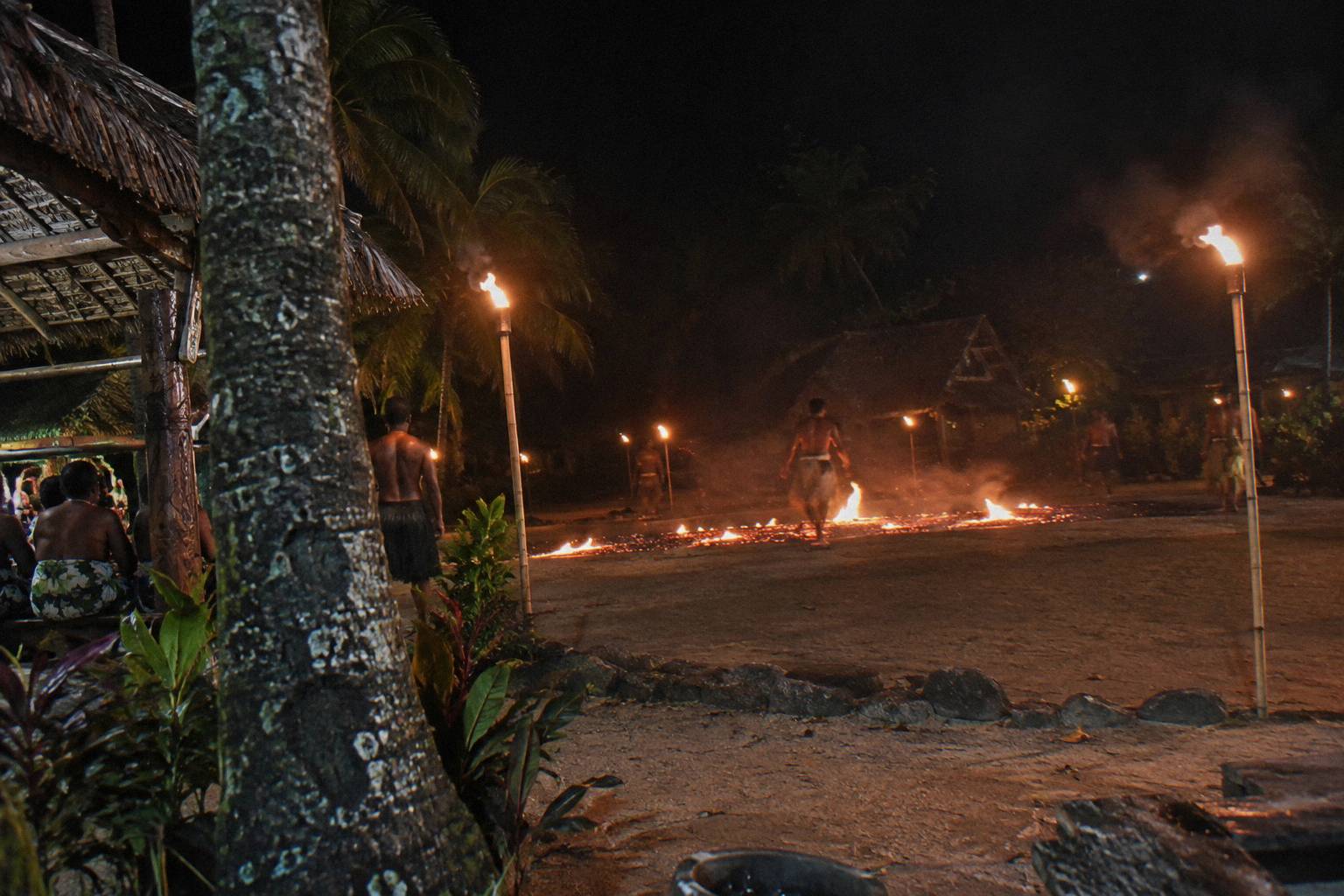
The fire performances on Fiji evenings are three distinct traditions, and mixing them is the fastest way to misread a show. Siva afi, the fire-knife dance, is Samoan in origin and is staged in Fiji shows, including Robinson Crusoe's "Legends of the Pacific". Firewalking is Fiji's own tradition, tied by Tourism Fiji to Tuinaiviqalita's bloodline and Beqa's Sawau tribe. Fiji Culture Village lists a fire dance after its meke, and says nothing about which tradition it is.
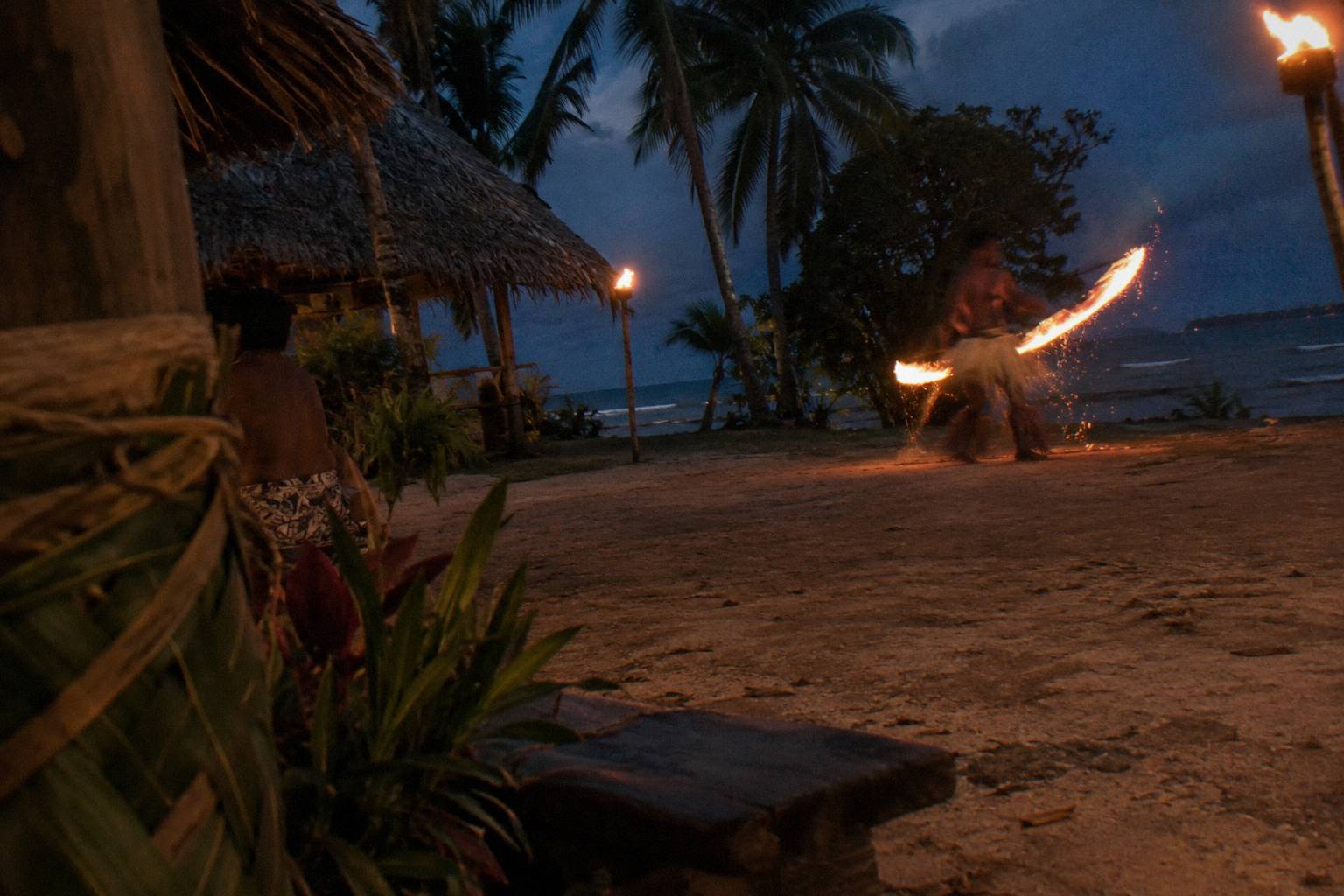
Take them one at a time. The fire-knife dance, siva afi, is Samoan in origin; the fire knife dance reference page covers its background, and the point for a Fiji traveller is simply that it is a Pacific staged performance rather than a Fijian tradition. Robinson Crusoe's evening includes it within the "Legends of the Pacific" show after dinner, and the operator's daytime Culture Day Tour includes a dance show with fire and knife dancing as well.
Firewalking is the other thing entirely. Tourism Fiji's firewalkers page tells the legend in its own terms: Tuinaiviqalita, seeking an eel as a gift, caught a spirit god known as a veli; the veli offered power over fire to him and his descendants, and showed him by stepping on white-hot stones; that power, in Tourism Fiji's wording, "only flows through Tuinaiviqalita's bloodline to members of Beqa's Sawau tribe". Robinson Crusoe lists a fire walking demonstration at its 6:30pm lovo unearthing and says nothing about who performs it, so no claim is made here about its performers. The deeper background sits in the guide to fire walking in Fiji.
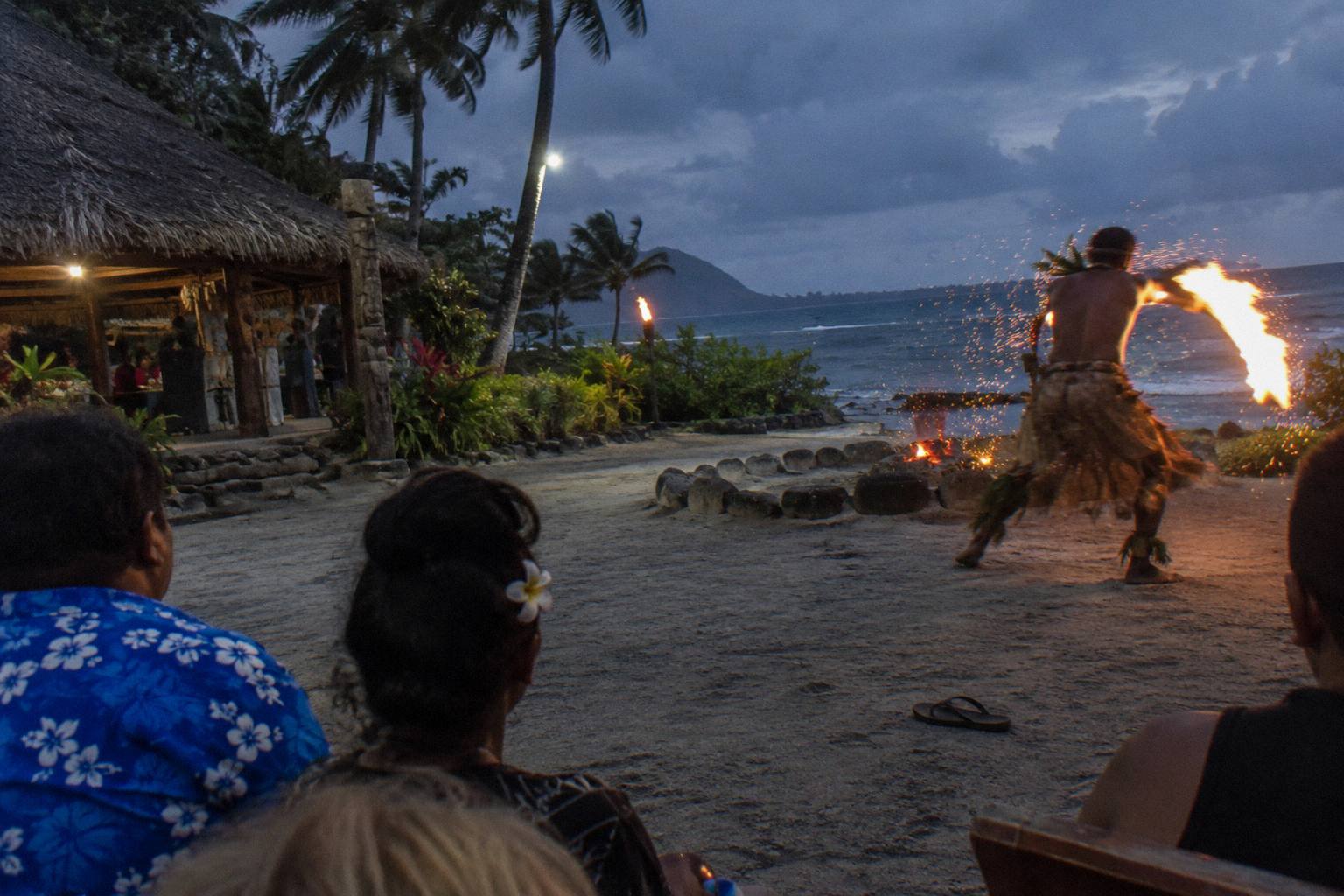
The third item is the one most easily assumed: Fiji Culture Village lists a "fire dance" at 7:50pm, directly after its meke show, and the operator does not say it is fire-knife or anything else. That gap stays a gap. Readers who want the fire-knife form specifically should treat Robinson Crusoe's show as the one that names it, and treat the Culture Village fire dance as an unspecified fire performance on a published timeline.
| Performance | Origin per the sources | Where it is listed | What the operator says |
|---|---|---|---|
| Meke | Fijian, per Tourism Fiji | Culture Village at 7:50pm; Valentine Tours Fiji billing | A story dance with men's and women's movements |
| Fire dance | Not stated | Culture Village, after the meke at 7:50pm | Listed as a fire dance, nothing further |
| Siva afi, fire and knife dancing | Samoan in origin, staged in Fiji shows | Robinson Crusoe "Legends of the Pacific" and its day tour | Fire and knife dancing after the lovo buffet |
| Fire walking demonstration | Fiji's Sawau tradition of Beqa per Tourism Fiji | Robinson Crusoe at 6:30pm lovo unearthing | A demonstration; performers not stated |
Tourism Fiji also notes that firewalking is performed on Viti Levu at major hotels in Pacific Harbour, the Coral Coast and Denarau as resort entertainment, and directs readers to check with those resorts. No resort is named in the sources and no resort show is bookable here, so this guide goes no further than the fact that resort performances exist.
The Culture Village Evening, Dance By Dance On The Clock
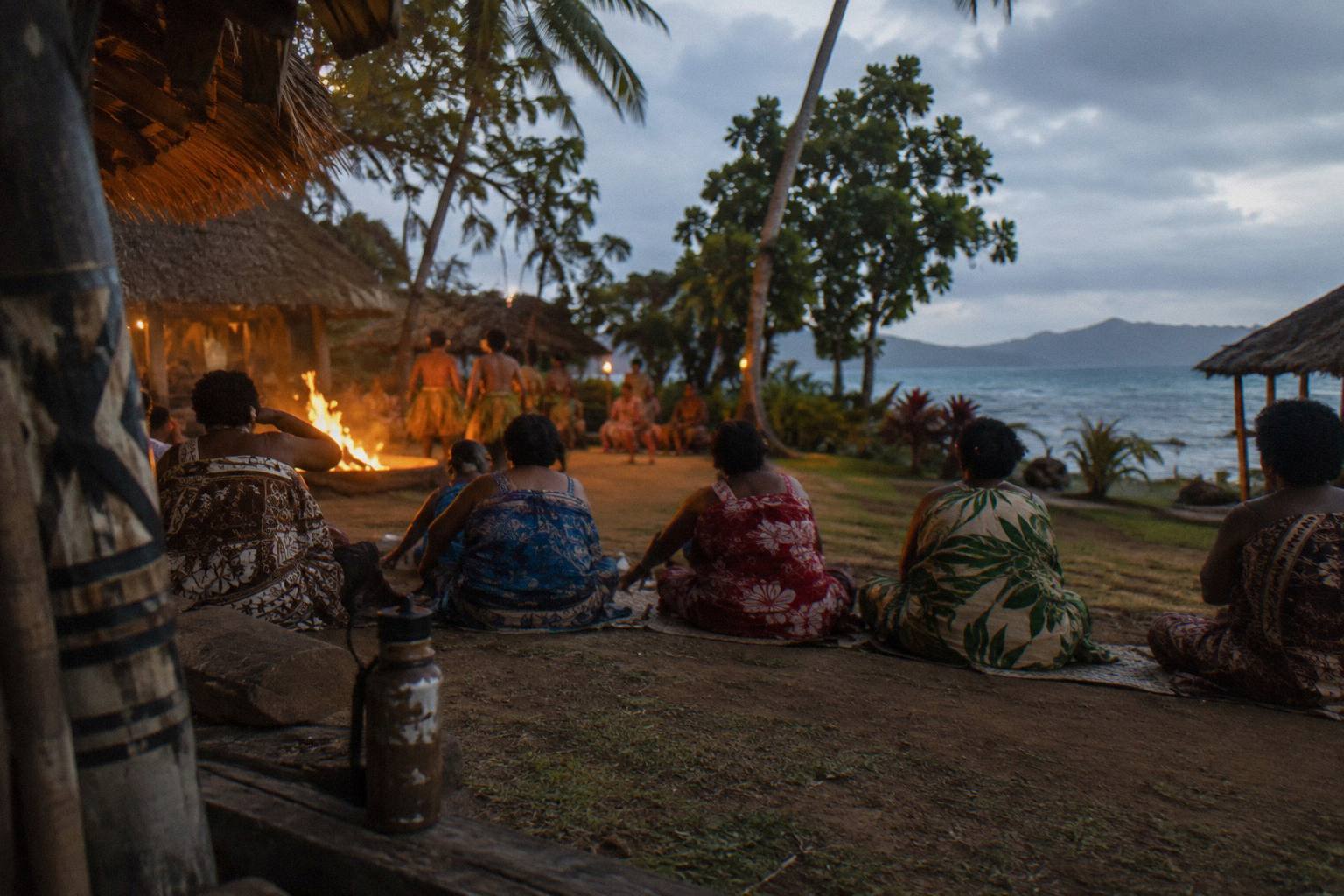
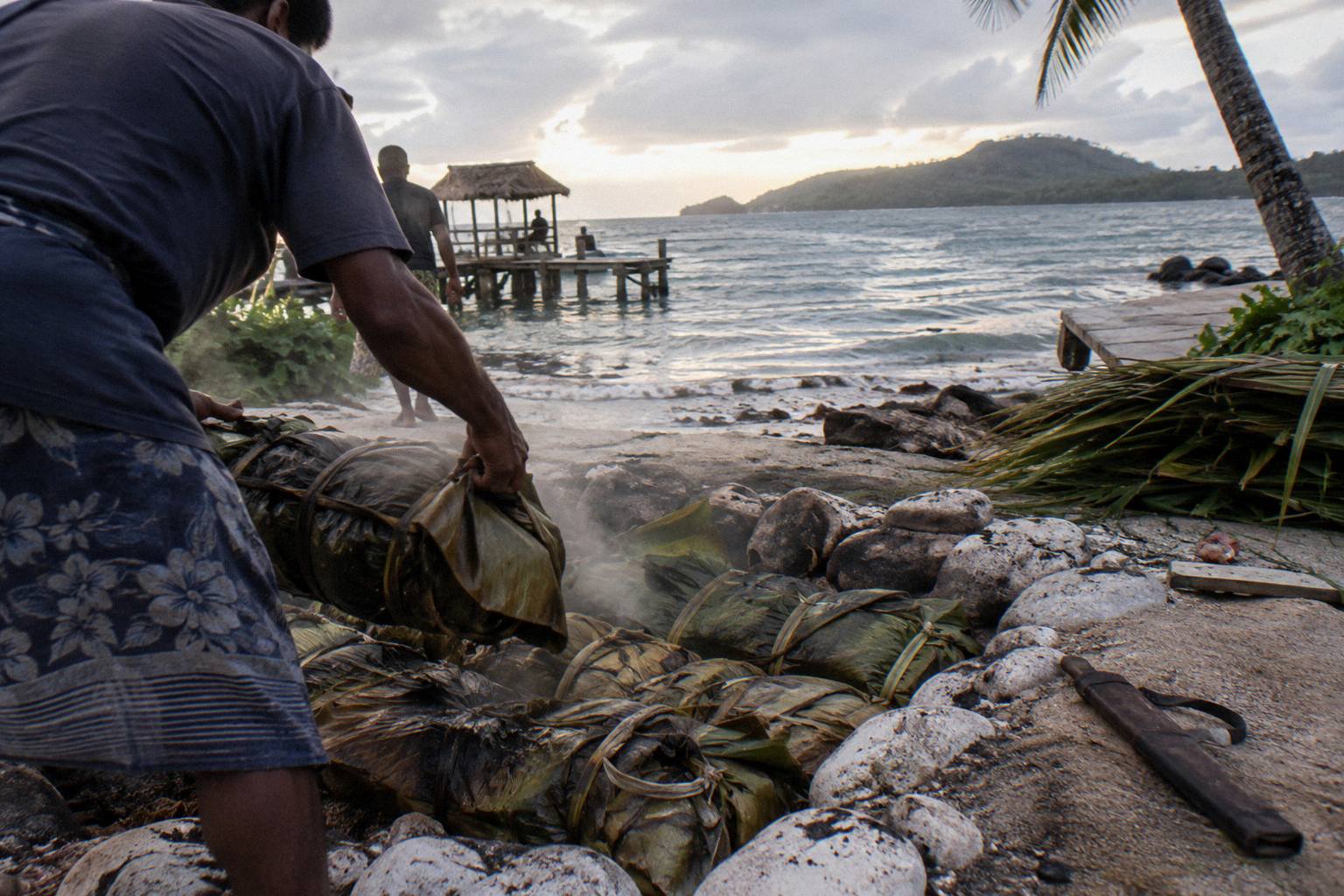
Fiji Culture Village is the one operator that publishes a minute by minute evening, and its dance content sits at the end: a meke show at 7:50pm, a fire dance straight after, and farewell at 8:30pm. Everything before, the warrior welcome at 5:15pm, the village walk at 5:30pm, the lovo unearthing at 6:45pm, the kava ceremony at 7:00pm and the lovo buffet at 7:20pm, builds the context the dances land in.
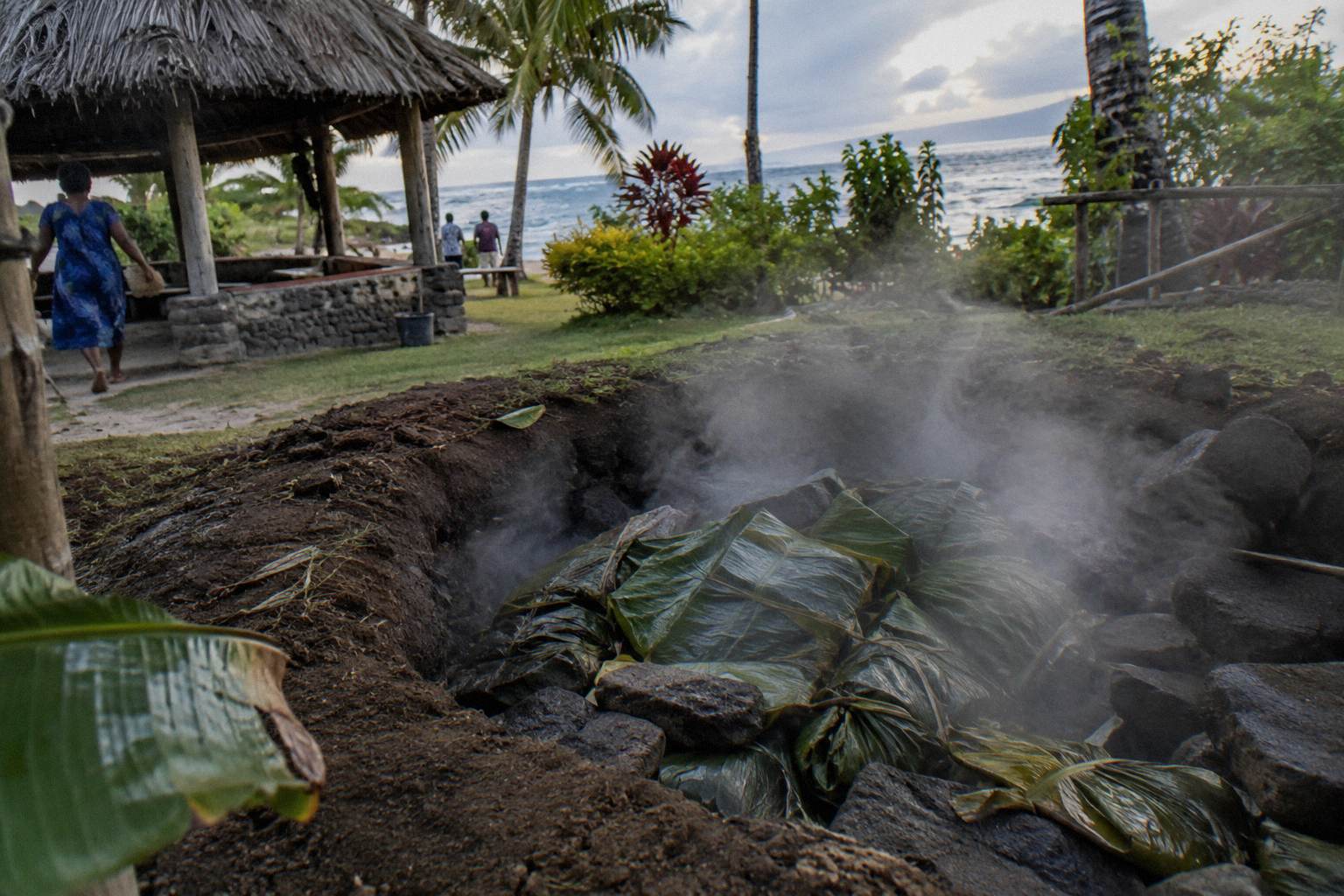
For a dance focused reader, the timeline answers a practical question: how much of the evening is dance. On the published schedule, the meke and fire dance occupy the block from 7:50pm to the 8:30pm farewell, with the earlier hours given to welcome, walk, kava and dinner. The evening runs about 4 to 4.5 hours door to door from the 4:20pm pick-up, and the return transfer from Nadi and Denarau hotels is included. The operator's rate is F$175 per adult, F$105 per child aged 5 to 12, and F$500 for a family of 2 adults and 2 children, valid to 31 December 2026, with F$189, F$115 and F$550 the published 2027 rates.
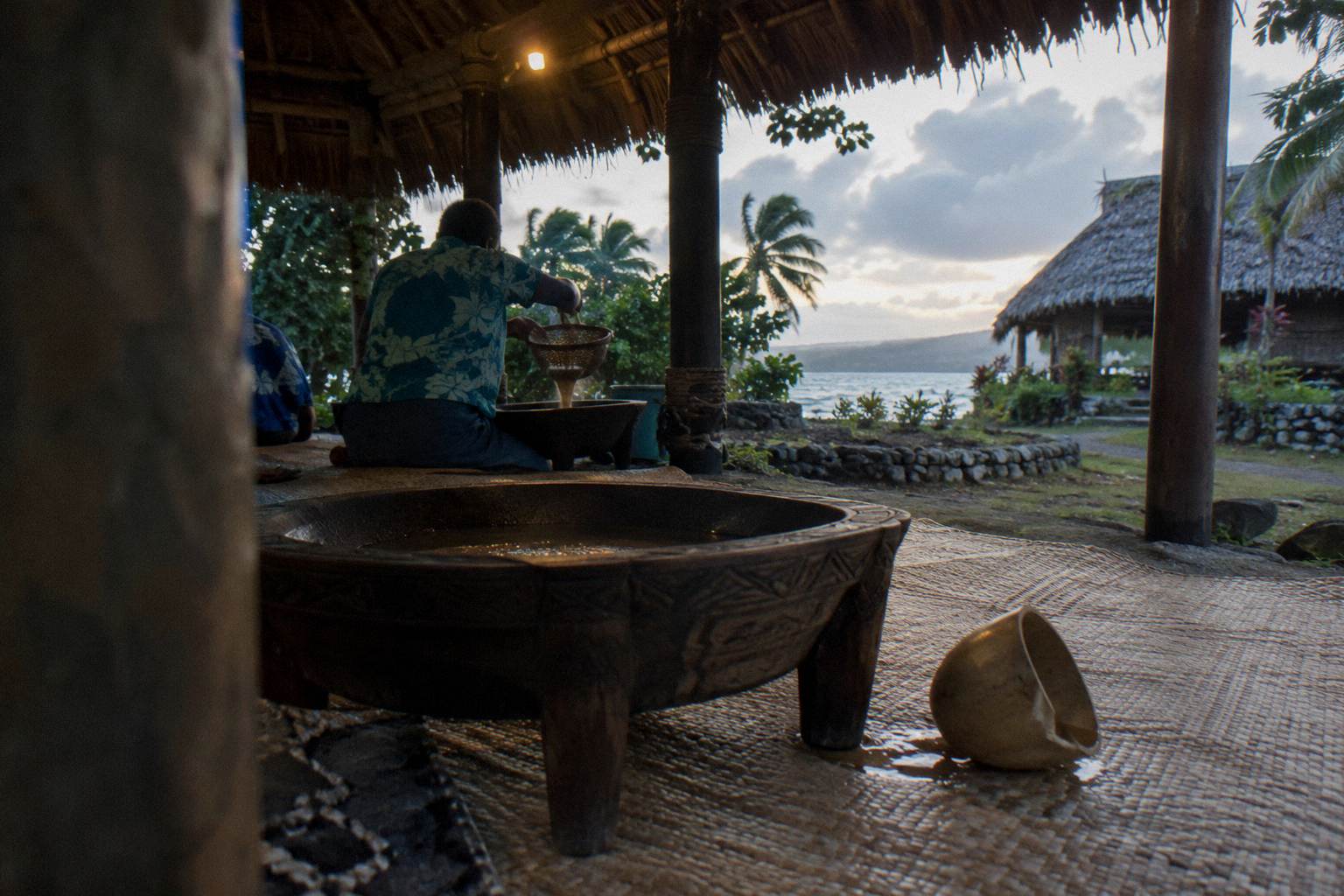
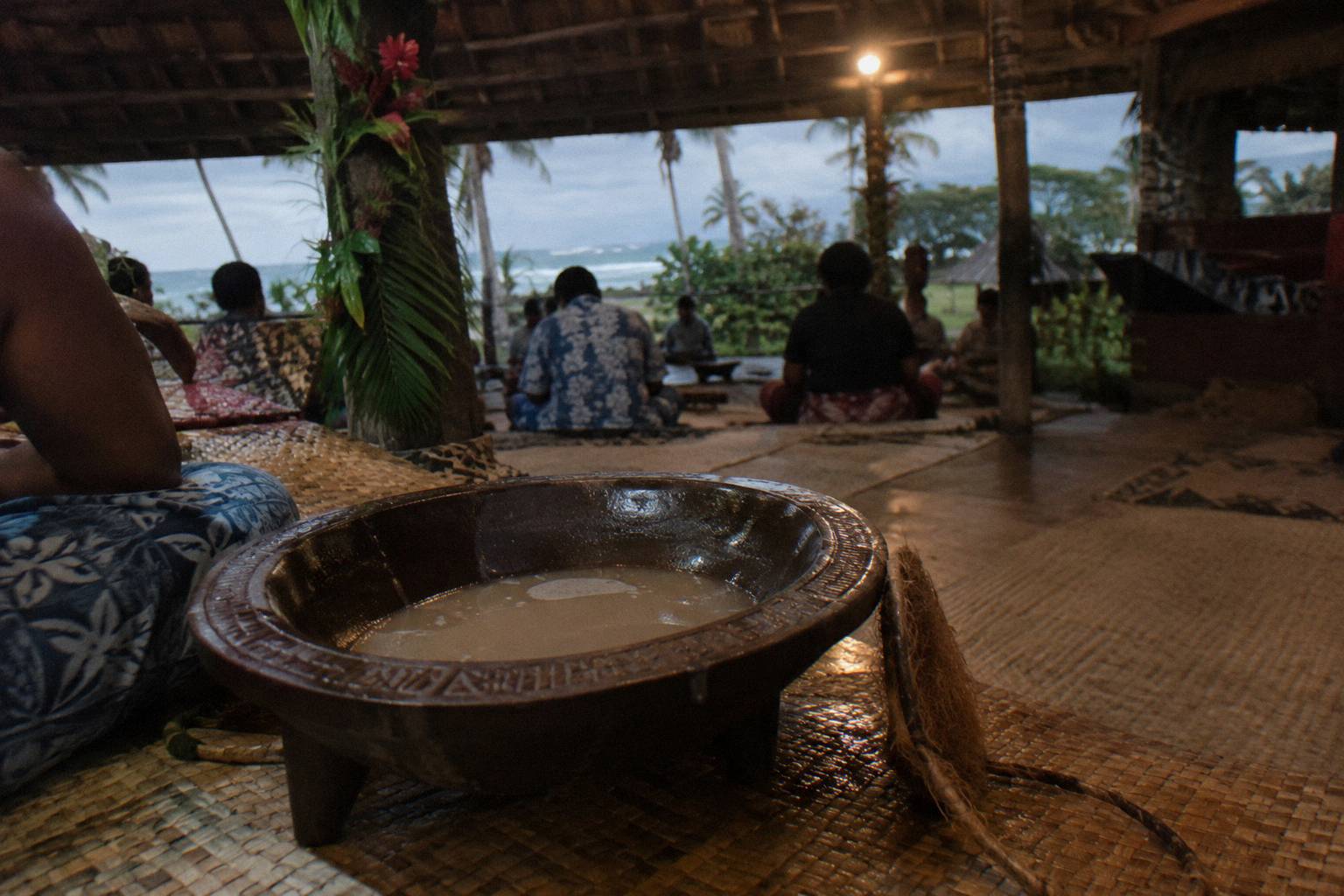
The cultural pieces around the dance are documented on the operator's own Cultural Night Tour page: the warrior welcome, the guided village walking tour, the kava ceremony, the lovo buffet, the meke show and the fire dance are all listed inclusions. The kava ceremony follows the form Tourism Fiji describes on its kava and etiquette pages: accepting a bilo involves a single cupped clap, saying "Bula!", drinking in one gulp, returning the cup, three claps and "vinaka". Whether you drink is your own call; the companion post on whether you have to drink kava at a Fijian ceremony covers that question directly.
Two gaps are worth naming once. For either, ask the operator directly on +679 804 4800 or by email, or check the booking page before committing. The maintenance closure from 22 February 2027 to 10 March 2027 is published, and online orders after 21 February 2027 are still processed per the operator's notice.
The Shorter Nadi Night: Valentine Tours Fiji's Meke Evening
Valentine Tours Fiji's evening is the compact option: a Nadi culture night with dinner and a meke show, about 3 hours long, with hotel pick-up from the Nadi and Denarau area. It is the shortest published duration among the meke evenings, which suits a night when a 4:20pm pick-up or an 8:30pm return is too much.
What can be said is short and that is the honest shape of it. The billing is dinner and a meke show, the pick-up area is Nadi and Denarau, and the duration is about 3 hours. Nothing further is published: no kava claim, no lovo claim, no start time, no inclusions list, no rating. Where a comparison needs one of those facts, the answer is "not stated; check the booking page", and that answer appears once here rather than scattered through the page.
For planning purposes the about 3 hour duration pairs with a later dinner start than the village evening implies, though no start time is published, so do not build a tight schedule around an assumed one. If the meke is the whole point of your night and the published program of a village evening is not, this is the leaner format; if you want the lovo unearthing, the kava ceremony and the walk as well, the Culture Village timeline delivers all of them on a clock you can read before booking.
VOU: The Theatre Stage Contrast
VOU Hub Fiji's evening is the format outlier: a theatrical dinner show with drumming, dinner and theatre, not a meke and lovo village night. That distinction is the entire published basis for including it in a dance comparison, and it is used here in exactly one clause for that purpose. No price, rating, start time, village, kava, lovo or firewalking fact is published for it.
The value of VOU in this guide is as a decision point rather than a tradition. A reader who wants to see Fijian dance in a village setting, wrapped in welcome ceremony and earth oven dinner, has the two meke evenings above. A reader who prefers a staged theatre format with drumming has VOU's evening, at about 3 hours, with transfer arrangements not stated. Those are different products and the choice between them is taste, not rank.
Readers deciding between the formats can go deeper with whether a Fiji cultural night is worth it, which weighs the village format against alternatives, and the guide comparing a Fiji cultural night with a resort show. Both cover ground this page touches only in passing, including the resort entertainment Tourism Fiji mentions at major hotels in Pacific Harbour, the Coral Coast and Denarau.
Choosing Your Evening By Dance Style: A Worked Comparison
Choose by what you most want to watch. For the meke on a published village timeline, book the Culture Village evening, Monday to Saturday, from F$175 per adult to 31 December 2026. For the shortest meke night, book Valentine Tours Fiji, about 3 hours, price on the booking page. For fire walking and fire-knife dancing on an island, book Robinson Crusoe, Monday, Wednesday and Saturday. For theatre with drumming, book VOU.
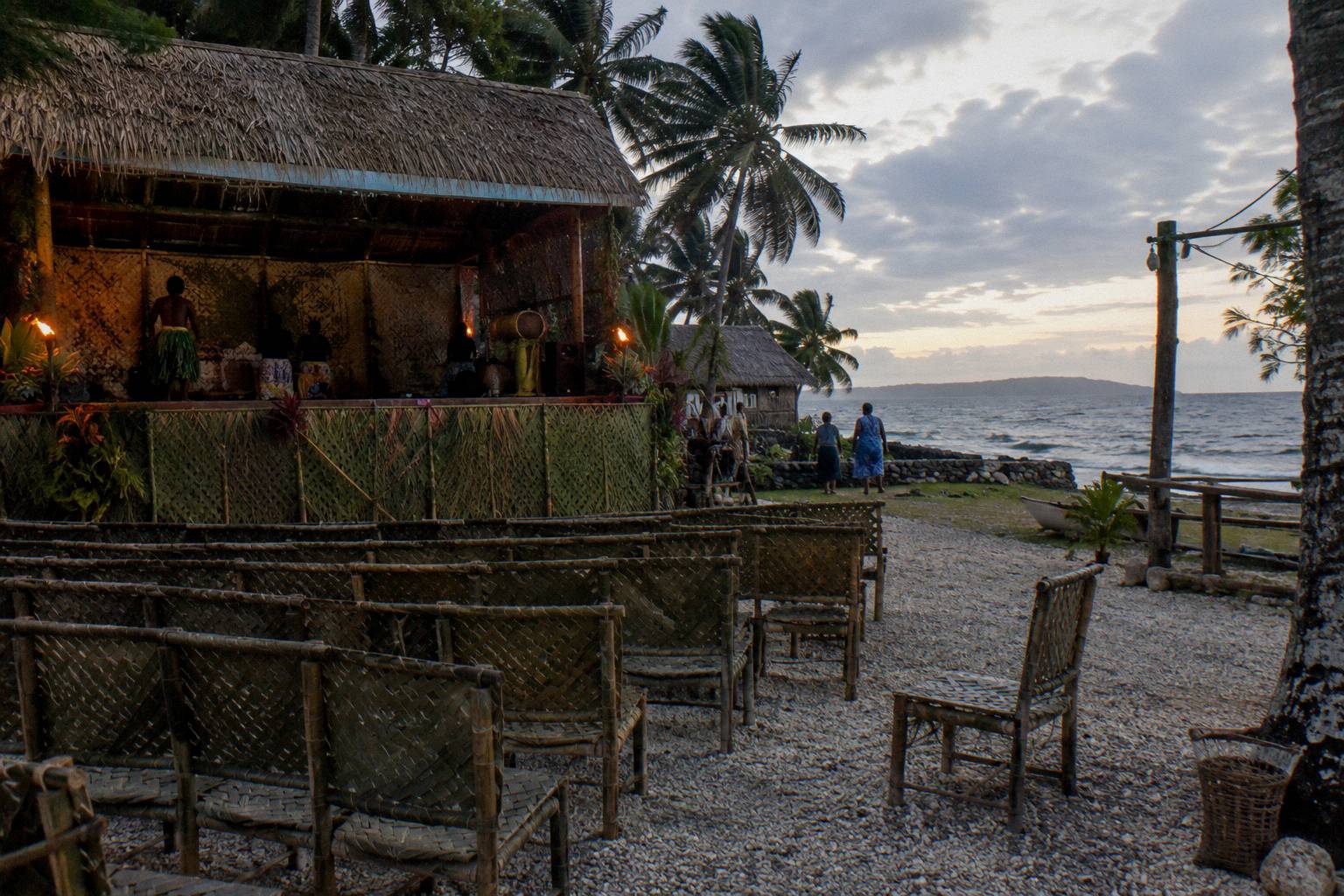
A worked example shows how the pieces fit. A traveller staying in Denarau with three nights free, Monday to Wednesday, wants dance above all. Monday or Tuesday can be the Culture Village evening, which runs Monday to Saturday with pick-up included from Denarau hotels; Wednesday can be the Robinson Crusoe island show, which runs that night, with return coach from Denarau hotels plus launch transfers included and a jetty 45 minutes from Nadi followed by a 30-minute calm-water cruise down the Tuva River. Valentine Tours Fiji's days are not stated, so it fits a plan only after the booking page confirms a night.
Budget logic differs by product. Culture Village is the only evening with a printed operator rate: F$175 adult, F$105 child aged 5 to 12, F$500 for a family of 2 adults and 2 children to 31 December 2026, then F$189, F$115 and F$550 for 2027. Robinson Crusoe's terms state its rates are in Fijian dollars with 15% VAT included and a 3% credit card fee, but its tour pages print no prices, so see the booking page. Valentine Tours Fiji and VOU likewise print nothing here. The family rate is for 2 adults plus 2 children only and is not extended to other group sizes.
Cancellation is a real differentiator. Robinson Crusoe's terms are explicit: cancellation 24 hours or more before pick-up receives a full refund, inside 24 hours a 100% forfeit, with no change fees to move to another of its tours of equal or lesser value within 30 days; management may cancel for fewer than 15 adults or for weather. A reader who values a published refund window should weigh that before choosing, and ask the Culture Village operator directly on +679 804 4800.
| Decision factor | Culture Village | Valentine Tours Fiji | Robinson Crusoe Sunset | VOU |
|---|---|---|---|---|
| Meke show listed | Yes, 7:50pm | Yes | No | No, theatrical show |
| Fire performance | Fire dance after the meke | Not stated | Fire walking and fire-knife dancing | Not stated |
| Operator price | F$175 adult to 31 Dec 2026 | See the booking page | See the booking page | See the booking page |
| Published nights | Monday to Saturday | Not stated | Monday, Wednesday, Saturday | Not stated |
| Transfers | Included, Nadi and Denarau | Nadi and Denarau pick-up | Coach and launch, Nadi, Denarau, Coral Coast | Not stated |
| Cancellation | Full refund 24 hours or more before pick-up | Full refund 24 hours or more before pick-up | Full refund 24 hours or more before pick-up | Full refund 24 hours or more before pick-up |
If the village meke format is the one that fits, the evening is bookable at the Culture Village tour page, and you can check availability for your dates. For the island night, the equivalent page for the Robinson Crusoe Sunset Dinner Show carries the operator's itinerary in full.
Common Mistakes When Choosing A Dance Evening
The recurring mistakes are simple: booking an island fire show expecting a meke, assuming every evening runs every night, and treating a fire dance as automatically Fijian. Robinson Crusoe's evenings bill fire walking and fire-knife dancing, not a meke; the published nights are Monday, Wednesday and Saturday for the island and Monday to Saturday for the Culture Village; and siva afi is Samoan in origin even when staged in Fiji.
A fourth mistake is assuming the published details travel between products. The 4 to 4.5 hour duration, the 4:20pm pick-up and the F$ rates belong to the Culture Village evening alone; the 4 hours on the island, the 5:00pm boat and the 24 hour refund window belong to Robinson Crusoe alone; the about 3 hour duration belongs to Valentine Tours Fiji and to VOU separately. A figure stated for one evening is never a fact about another.
A fifth is planning around unstated facts. Each gap has one answer: ask the operator or read the booking page before the night, not after. Robinson Crusoe's FAQ also notes the island's natural terrain is not suitable for guests with mobility challenges, and asks night tour guests to bring Fijian dollars for drinks, insect repellent and resort wear.
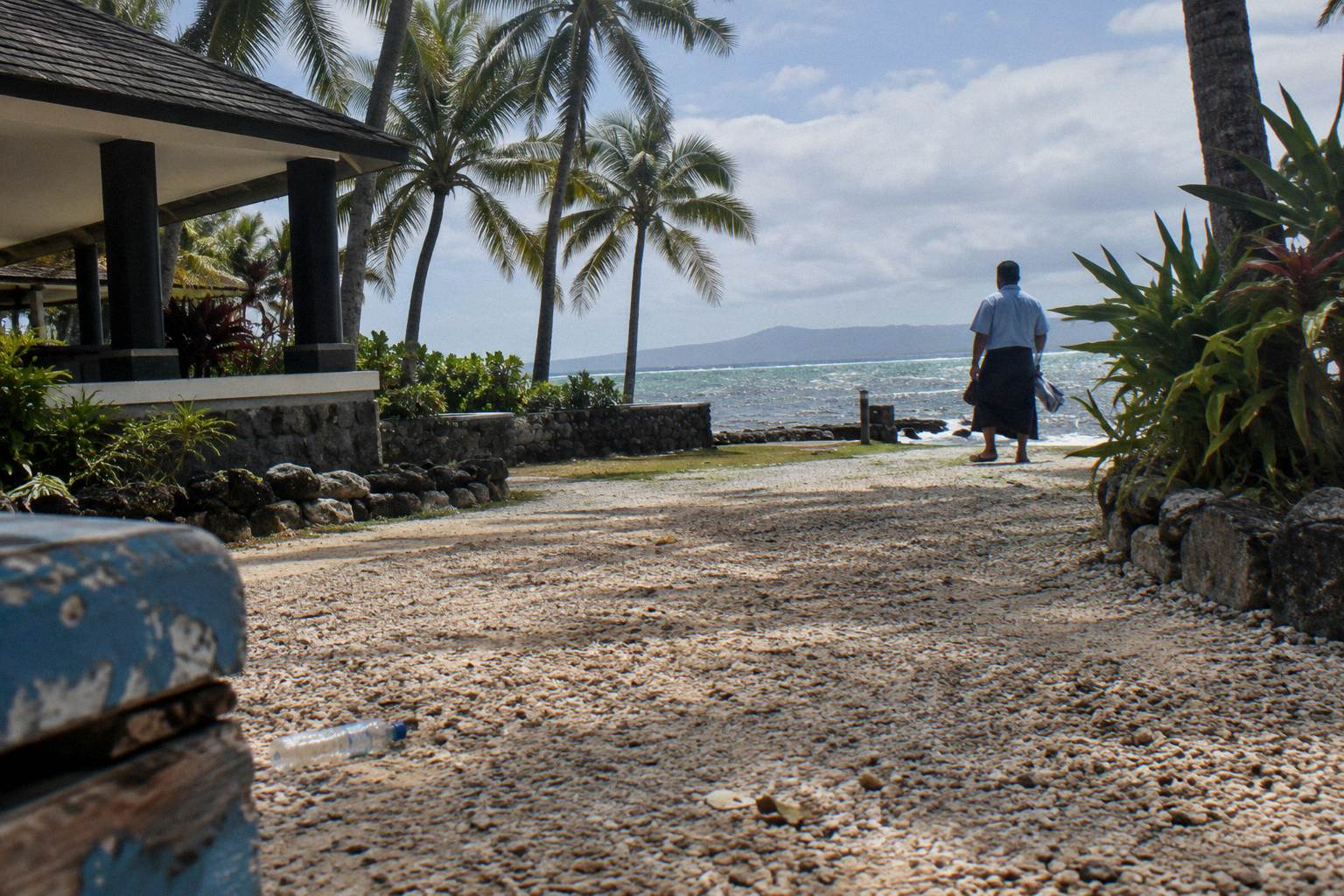
A sixth is dress. Robinson Crusoe asks visitors to cover shoulders and bring a sulu or sarong for its Combo's village visit, with spare sulus available, and Tourism Fiji's etiquette page asks visitors to any Fijian village to cover bare shoulders and legs, wrap a sulu at the waist, remove hats and sunglasses and shoes before entering buildings, and ask permission before photographs. Culture Village's dress guidance is not stated; ask the operator. The companion guide on what to wear to a Fiji cultural night covers the packing side in full, and this site, Fiji Cultural Night Tours, keeps the full set of evening guides in one place.
Where Each Tradition Sits: A Closing Note On Respect
The meke, the lovo and the kava ceremony are living practices, and the firewalking legend belongs by Tourism Fiji's account to one bloodline, the Sawau tribe of Beqa. The operators stage them within evenings built around welcome and food, and the sources here, Tourism Fiji and the operators' own pages, are the limit of what can responsibly be said. Reading the evening with that context, rather than as pure spectacle, is the difference between watching a show and understanding one.
Tourism Fiji's kava guide offers one concrete bridge for visitors: the etiquette of accepting a bilo, the single cupped clap, "Bula!", the one gulp drink, the three claps and "vinaka". Culture Village's 7:00pm kava ceremony and Robinson Crusoe's sevusevu welcome with kava tasting are both staged moments where that etiquette applies. The sevusevu itself, per Tourism Fiji, is a gift of powdered kava presented to seek permission to enter communal lands as a guest, and Tourism Fiji's kava guide is the authority for the form.
Whether to drink at all is a choice, not a test; nothing in the sources says declining is unacceptable, and that question has its own treatment on this site. What the sources do say is that the ceremony, the earth oven and the dance belong to the same fabric of village life, which is why the bookable evenings bundle them. A reader who understands that bundle chooses a format knowingly: village program, island show, short meke night, or theatre stage.
The Damodar Arts Village in Pacific Harbour belongs in this closing note as the place where a daytime firewalking ceremony is announced, performed, in the venue's wording, by the renowned firewalkers of Beqa. Its first public cultural show was Saturday 1 November 2025 at 11am, a daytime program rather than an evening dinner, and it is not bookable here. It is mentioned because it is the clearest published link between a staged Fiji show and the Sawau tradition, and it rounds out the map of where these performances actually live.
Common Questions About Fiji Traditional Dance Shows
What Is The Traditional Dance In Fiji?
The meke. Tourism Fiji defines it as a traditional dance performed by men and women of Fiji to tell stories through song and dance, with strong men's movements, graceful women's movements, and props including clubs, spears and fans.
What Is Fiji's Haka Called?
The haka is a Maori practice, not a Fijian one. The Fijian answer to that question is the meke, in Tourism Fiji's definition, and nothing more is claimed here.
Which Evenings Stage A Meke Around Nadi?
Fiji Culture Village lists a meke show at 7:50pm on its Monday to Saturday evening, and Valentine Tours Fiji bills its roughly 3 hour Nadi night with a meke show. Robinson Crusoe's island show bills fire walking and fire-knife dancing instead, and VOU runs a theatrical dinner show with drumming.
Is The Fire-Knife Dance Fijian?
No. Siva afi, the fire-knife dance, is Samoan in origin and is staged in Fiji shows, including Robinson Crusoe's "Legends of the Pacific". Fiji's own fire tradition is firewalking, tied by Tourism Fiji to Beqa's Sawau tribe.
How Much Does A Dance Evening Cost?
Fiji Culture Village's operator rate is F$175 per adult, F$105 per child aged 5 to 12, or F$500 for a family of 2 adults and 2 children, valid to 31 December 2026, with F$189, F$115 and F$550 the published 2027 rates. The other evenings print no price here; see the booking page.
Do I Have To Drink Kava At The Ceremony?
Nothing in the sources says declining is unacceptable, and the health and legal questions around kava are not covered here. The choice is yours; ask the operator on the night, and consult a health professional for health questions.