What Is Sevusevu In Fiji?
Sevusevu is the customary Fijian gift of kava presented to a village chief when entering communal land. Here is what Tourism Fiji says about it, how it appears on cultural evenings, and what to expect.
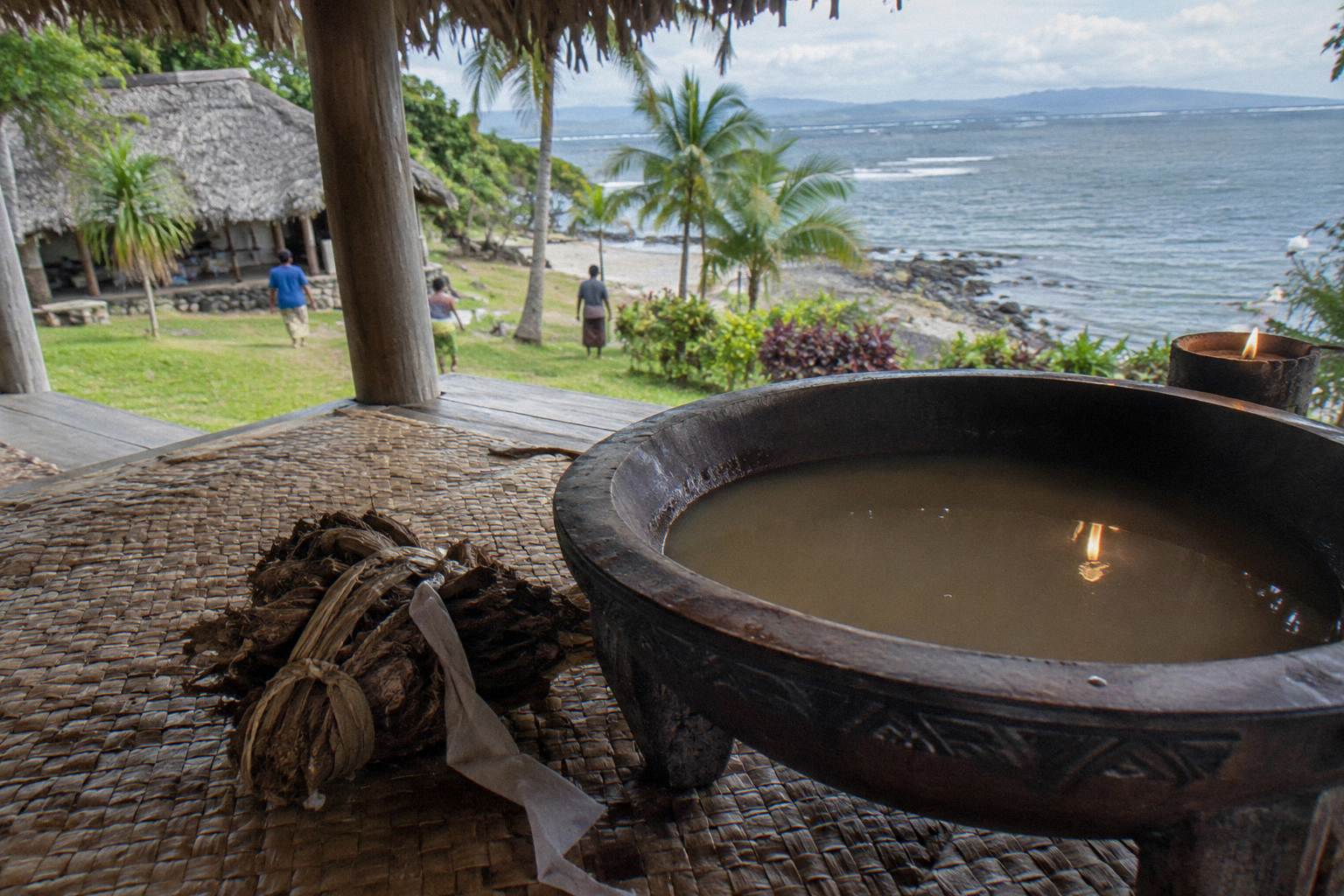
A bundle of powdered kava root, handed over with a few quiet words, is the traditional key that opens a Fijian village to a guest. Tourism Fiji calls the custom sevusevu, and the word appears on the itinerary of one of the cultural evenings around Nadi. This page sets out what the official sources actually say, and where the ceremony fits into a night out.
Sevusevu is the customary presentation of a small bundle or packet of powdered kava to the village chief, made to seek permission to enter the community's communal lands as a guest. That is Tourism Fiji's own definition, given on its etiquette page for visitors. The gift is the gateway gesture of village hospitality, not a performance, and on a staged cultural evening it appears as a shortened welcome ceremony. The word is spelled i-sevusevu on Tourism Fiji's kava guide.
The definition matters because sevusevu is often reduced to "the kava part of the show" in travel writing. Tourism Fiji frames it differently: the gift is about permission and respect. A visitor arriving at a village presents the kava to the chief, and with that gesture the visitor is received as a guest rather than a stranger. Everything that follows, the sharing of the drink and the welcome, flows from that exchange.
On Tourism Fiji's kava guide the word carries the prefix i-, printed as i-sevusevu on that page. The spelling differences between official pages are worth knowing before a trip, because signage, itineraries and tour descriptions switch between sevusevu, i-sevusevu and simply "kava ceremony" without much consistency. None of the variants signals a different ritual; it is the same custom described with varying formality.
For most visitors the practical encounter with sevusevu happens in one of two settings. The first is an actual village visit, where the gift and the request are real. The second is a staged cultural evening, where the operator presents a version of the ceremony as part of the night's program. Both settings are legitimate ways to encounter the custom, but they are different things, and the distinction is worth holding onto when reading tour descriptions. More on where Tourism Fiji's kava guide draws its lines appears further down this page.
Where Sevusevu Appears On Fiji Cultural Evenings
Two of the operators covered here name the ceremony directly. Robinson Crusoe Island Tours lists a "sevusevu welcome ceremony with kava tasting" among the highlights of its Sunset Dinner Show. Fiji Culture Village lists a kava ceremony at 7:00pm in its evening timeline, between the unearthing of the lovo at 6:45pm and the buffet dinner at 7:20pm. Valentine Tours Fiji bills its night around a meke show and dinner, with no kava claim stated.
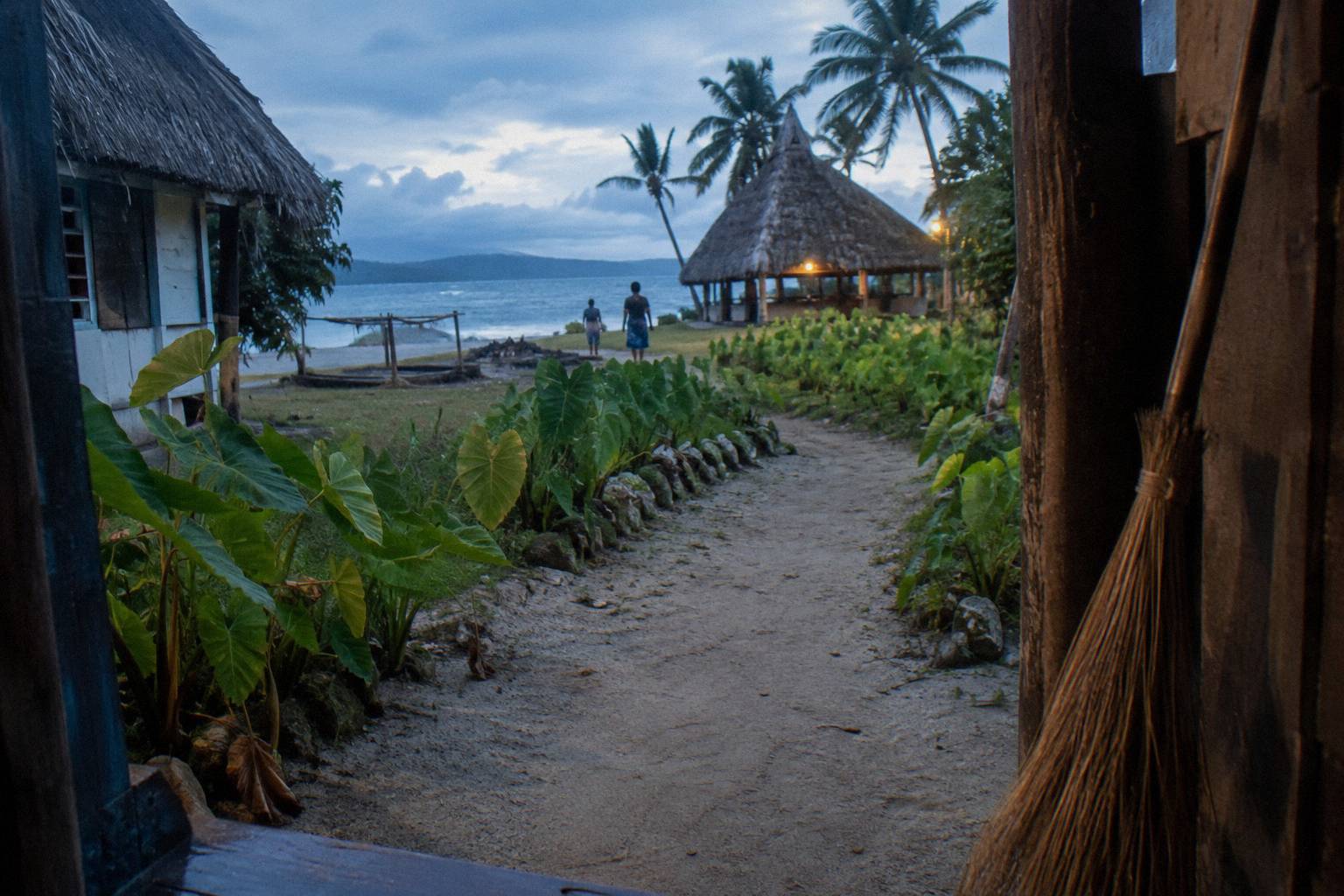
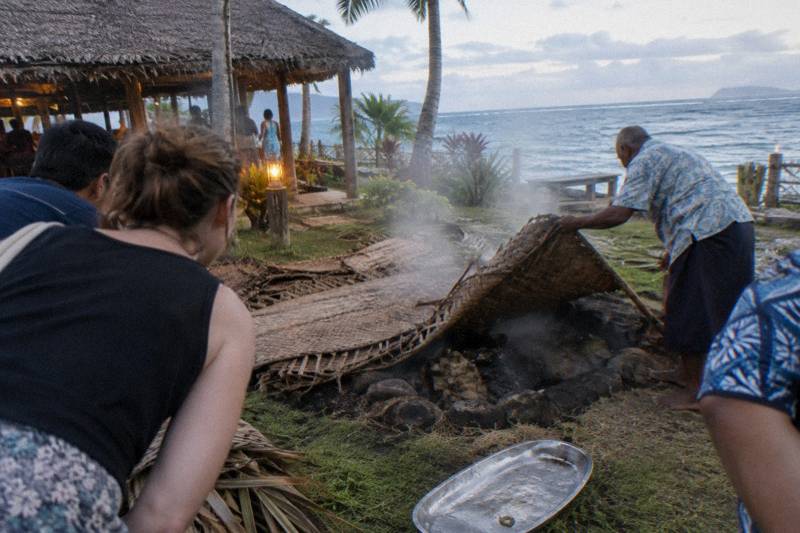
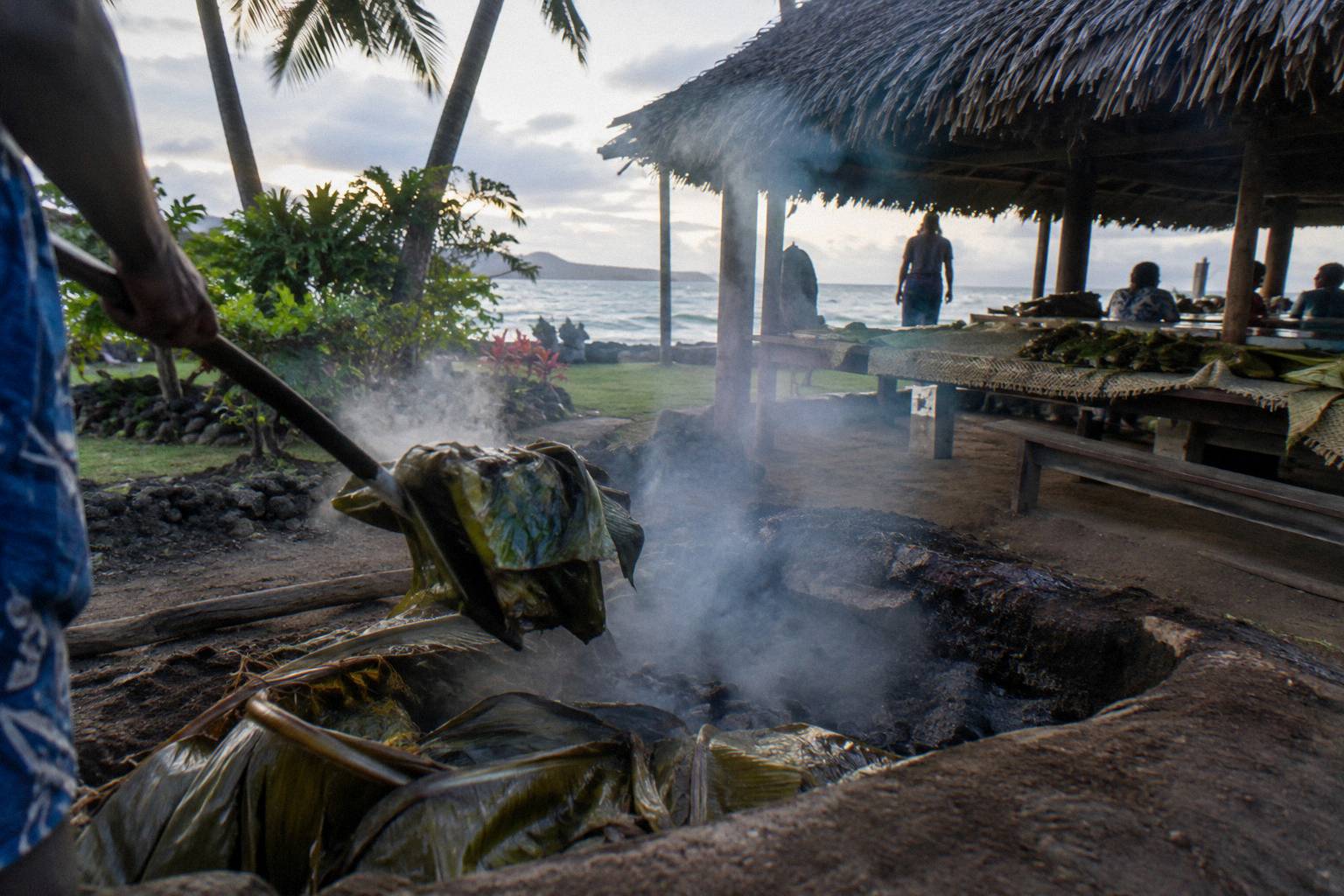
The two staged versions sit in very different evenings. At Fiji Culture Village, on Queens Road just outside Nadi town, the kava ceremony is one station on a full village evening. The operator's timeline runs from a 4:20pm hotel pick-up through a warrior welcome at 5:15pm, a guided village walking tour at 5:30pm, the lovo unearthing at 6:45pm, the kava ceremony at 7:00pm, a lovo buffet at 7:20pm and a meke show with fire dance at 7:50pm, ending with farewell and departure at 8:30pm. The whole evening runs about 4 to 4.5 hours door to door, Monday to Saturday, with return transfer from Nadi and Denarau hotels included. The operator's rate is F$175 per adult, F$105 per child aged 5 to 12, or F$500 for a family of 2 adults and 2 children, valid to 31 December 2026, and F$189, F$115 and F$550 for 2027.
At Robinson Crusoe, the sevusevu welcome with kava tasting is listed as a highlight of the Sunset Dinner Show, which runs Monday, Wednesday and Saturday from 5pm to 9pm on the island. The operator's itinerary starts with the boat leaving the mainland jetty at 5:00pm, an island welcome on arrival at 5:45pm, a sunset beach bonfire with serenaders at 6:00pm, the lovo unearthing with a fire walking demonstration at 6:30pm, the lovo buffet dinner at 7:00pm followed by the "Legends of the Pacific" show with fire and knife dancing, and the Isa Lei farewell at 9:00pm before the 9:15pm boat departure. Getting there involves a coach from Nadi, Denarau or Coral Coast hotels to a jetty near Natadola Beach, 45 minutes from Nadi, then a 30-minute calm-water cruise down the Tuva River, all included in the tour rate.
| Evening | Kava element stated by the operator | Where it sits in the night | Nights it runs |
|---|---|---|---|
| Fiji Culture Village Cultural Night Tour | Kava ceremony at 7:00pm | Between the lovo unearthing and the buffet dinner | Monday to Saturday |
| Robinson Crusoe Sunset Dinner Show | Sevusevu welcome ceremony with kava tasting | Listed among the tour's highlights | Monday, Wednesday and Saturday |
| Valentine Tours Fijian Culture Night | Not stated; the night is billed with dinner and a meke show | Not stated | Not stated |
| VOU Evening Dinner And Show | Not stated; described as a theatrical dinner show | Not stated | Not stated |
Neither operator describes the ceremony in protocol detail beyond those lines, and this page will not go beyond them either. What the sources do say is that the gift itself, the bundle of powdered kava, comes from the same root that fills the communal bowl afterwards. Readers who want to see the village version of the ceremony in person can look at the Culture Village evening tour page for dates and transfer details.
If the village evening sounds like the right fit, Check availability on the booking page before locking in the night, since the operator runs fixed days.
The Kava Behind The Gift: Yaqona, Bilo And Tanoa
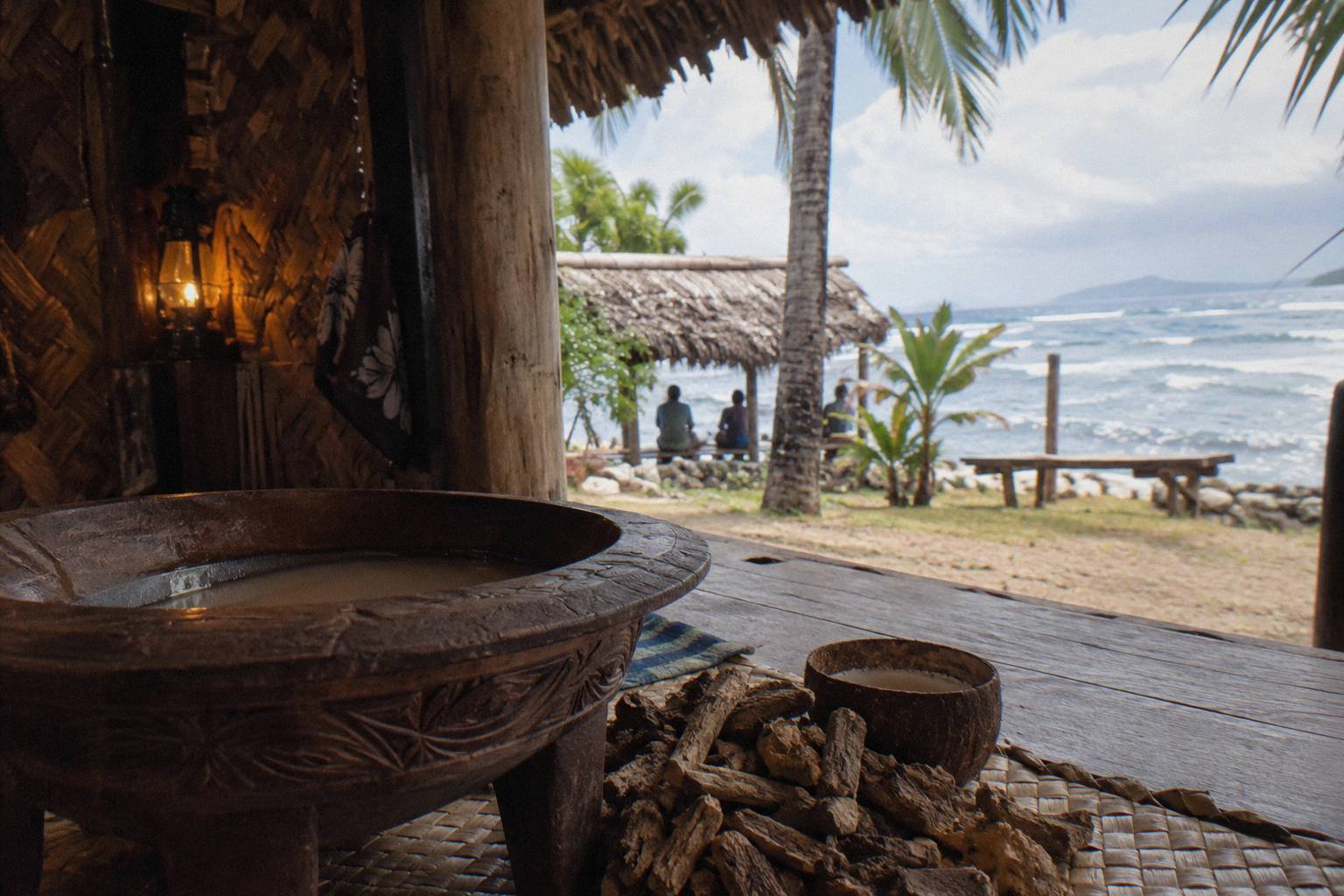
Kava in Fiji is yaqona, a drink prepared from the dried roots of Piper methysticum, the definition Tourism Fiji gives on its kava guide. The communal bowl that holds it is the tanoa, and each drinker's cup is a bilo, traditionally a coconut shell. A full cup is called "high tide" and a half cup "low tide." The sevusevu gift is made from the same powdered root that later becomes the drink.
The vocabulary is small and worth learning before an evening, because hosts use these words naturally and tours print them on itineraries without translation. Yaqona is the plant and the drink both. The tanoa is the large wooden bowl, usually carved from a single piece of hardwood, set at the centre of the circle. The bilo is the cup that gets passed around, one drinker at a time. When someone pours, the size of the pour carries the tide language: a full bilo is high tide, a half bilo is low tide. Asking for low tide is an ordinary, unremarkable request.
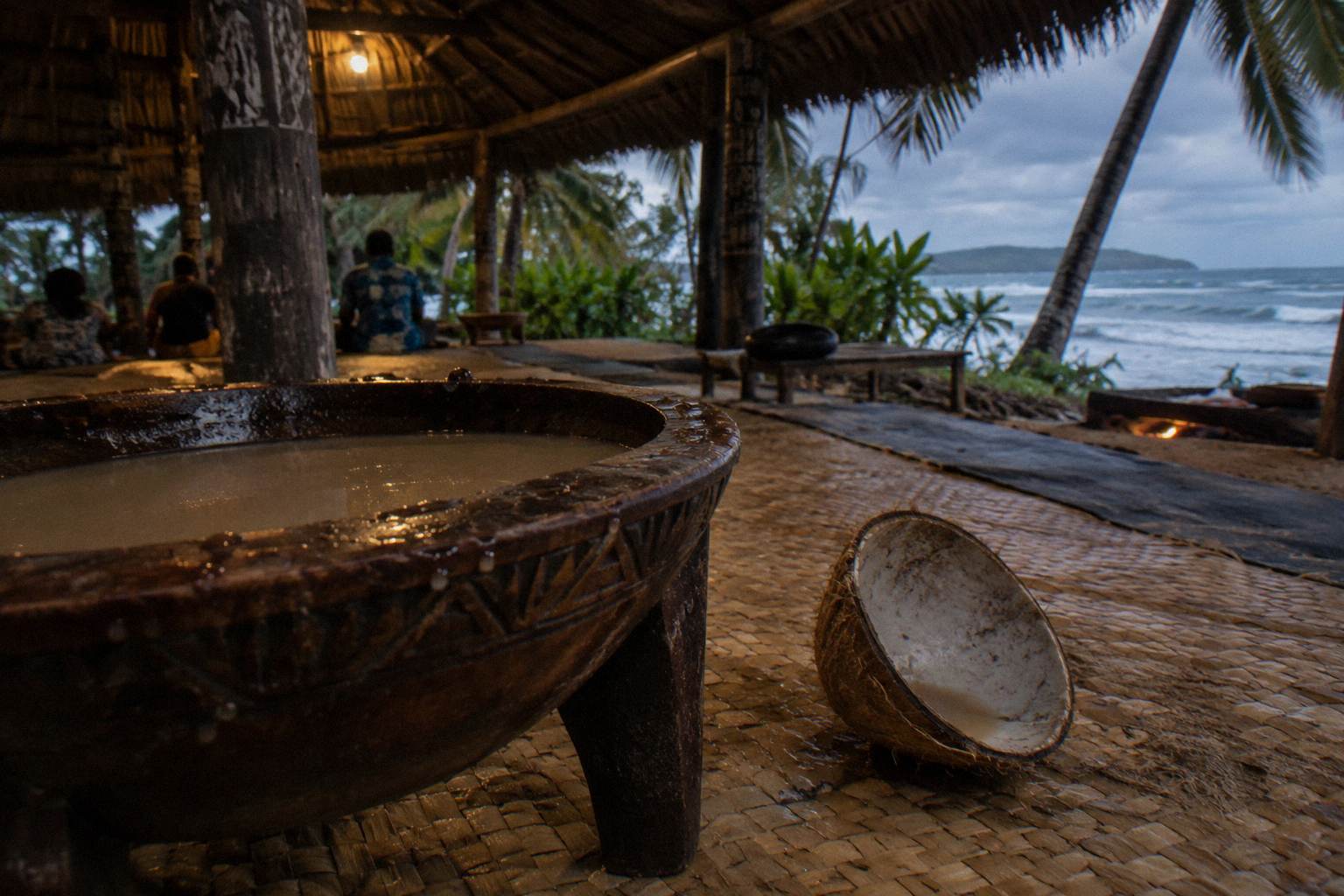
Tourism Fiji's guide also gives the sequence for accepting a bilo when it comes around: clap once, cupped and loud; say "Bula!"; drink in one gulp; return the cup, clap three times and say "vinaka." That sequence is the visible etiquette of the circle, and it is the part of the ceremony most likely to feel unfamiliar to a first-time visitor. The claps mark the exchange, the greeting opens it, and the thanks close it. Practising the word vinaka, which serves as both thank you and a marker that the round went well, takes about a minute.
| Word | What it means, per Tourism Fiji's kava guide |
|---|---|
| Yaqona | The kava plant and drink, from the dried roots of Piper methysticum |
| Tanoa | The communal kava bowl |
| Bilo | The drinking cup, passed one drinker at a time |
| High tide | A full cup |
| Low tide | A half cup |
| Bula | The greeting said before drinking |
| Vinaka | Said with three claps when returning the cup |
A separate question, whether a guest can decline a bilo altogether, is not covered by Tourism Fiji's guide or by the operators' pages. Readers with concerns about drinking kava should raise them with the operator before booking, or with a health professional about their own situation. The effects of kava on the body, its legal status in any country and its preparation beyond "from dried roots" are likewise not covered in the sources used for this page, so nothing is said about them here. For a fuller walk through the drinking ritual itself, the companion piece on what happens at a Fiji kava ceremony goes through the circle in order, and the question of whether you have to drink kava at a Fijian ceremony is treated on its own page.
Valentine Tours Fiji runs a shorter Nadi evening of about 3 hours, with hotel pick-up from the Nadi and Denarau area, built around dinner and a meke show. The operator has not published a kava or sevusevu claim for the night, so treat the meke show as the anchor of that evening rather than the ceremony.
What A Sevusevu Gift Costs, According To Tourism Fiji
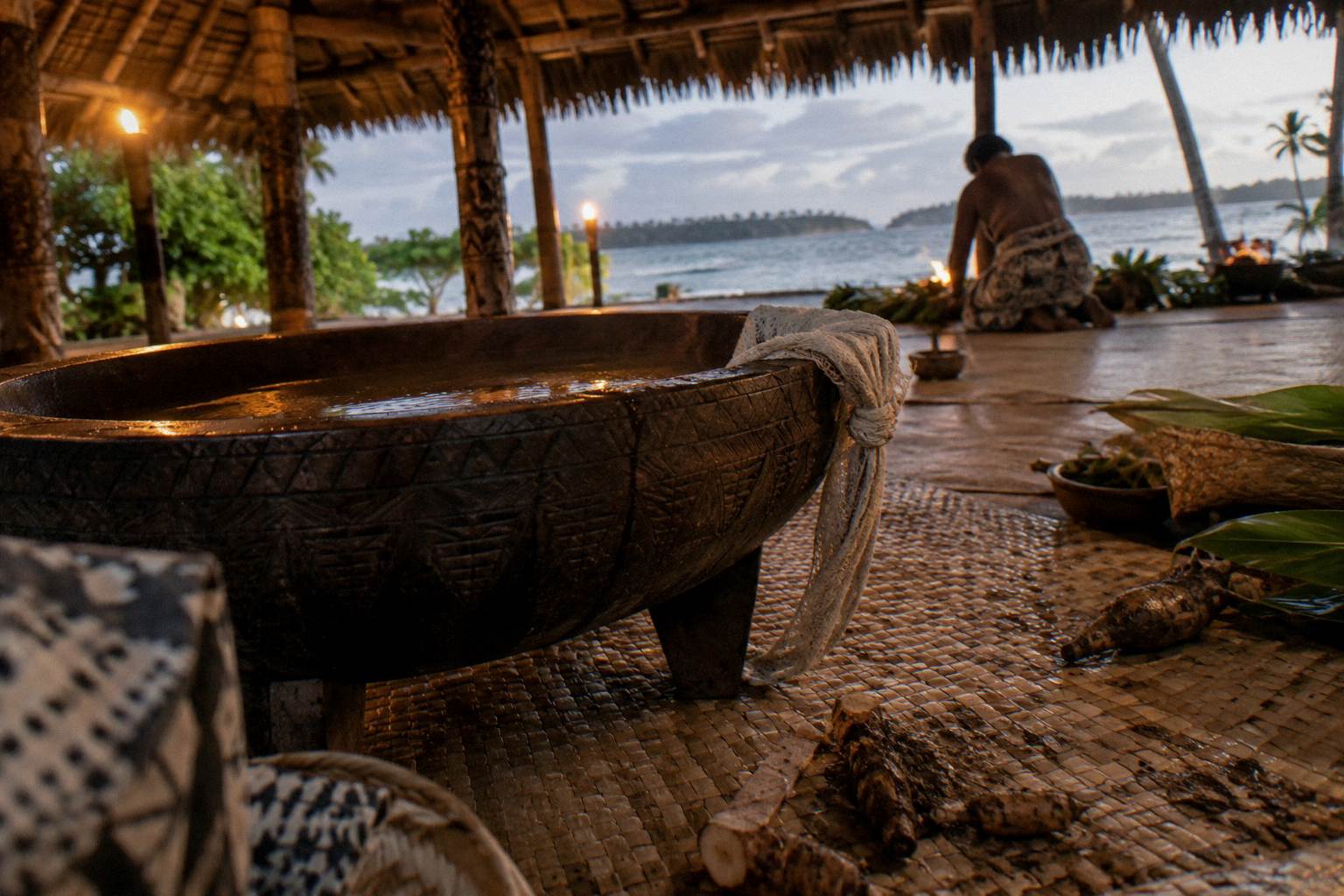
Tourism Fiji's kava guide prices a sevusevu gift of half a kilogram of yaqona root at around FJD 30 to 40. That figure is Tourism Fiji's own, not a tour price and not a quote from a village, and it describes the raw gift, not a place on an evening. On a staged cultural night the gift and the ceremony are already inside the ticket, so nothing extra changes hands.
The price line is useful mostly for context. A traveller visiting a village independently, or staying somewhere a genuine sevusevu is expected, is looking at a modest outlay for the root itself. Tourism Fiji presents the figure as a plain range, and the guide does not break it down by quality or region. Markets vary, and the guide's range is the only official figure available, so it is the only one printed here.
For comparison, the staged evenings carry their own price structure. Fiji Culture Village's operator rates, given in full above, are the only tour prices printed on this site, because they are the only operator rates the research captured. Robinson Crusoe's tour pages print no prices at all; its terms state only that its rates are in Fijian dollars, tax inclusive of 15% VAT, with a 3% credit card fee on card payments. Valentine Tours Fiji and VOU have no captured operator price. For any of those, the honest answer is the booking page, which shows the live figure at the moment of booking.
What the two things have in common is the Fijian dollar. The sevusevu gift range, the Culture Village rates and Robinson Crusoe's rate basis all sit in F$, and no conversion is printed on this page because currency moves and the sources do not convert. Budget in Fijian dollars for the evening, and bring some cash: Robinson Crusoe's FAQ for its night tours suggests Fijian dollars for drinks, insect repellent and resort wear.
How To Dress And Behave When A Ceremony Is Part Of The Evening
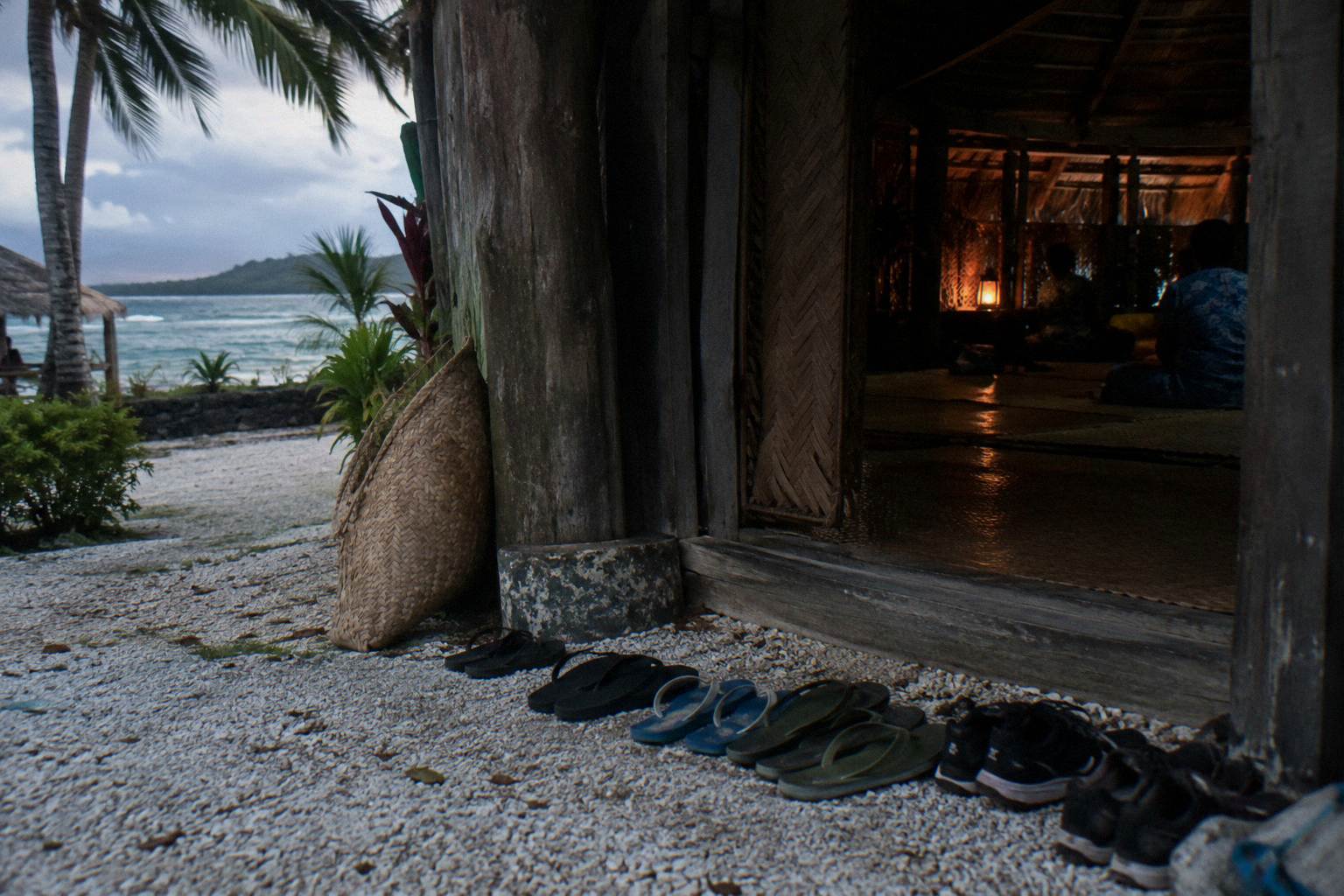
Cover bare shoulders and legs with a sulu or sarong wrapped at the waist, remove your hat and sunglasses, carry bags in your hands rather than on your shoulders, take off shoes before entering any village building, keep voices soft, never touch someone's head, and ask permission before photographing anyone or entering a home or communal area. Robinson Crusoe asks the same of Combo guests, with spares available.
The dress code deserves a sentence of explanation for anyone coming from a resort wardrobe. A sulu is a length of cloth wrapped at the waist, and it doubles as the respectful answer to shorts on a village evening. Robinson Crusoe's Day and Night Combo, which runs Monday, Wednesday and Saturday from 10am to 9pm and includes a guided Vusama Village visit before the full Sunset Dinner Show, is the tour where the request matters most, because guests actually walk through a village. The operator keeps spare sulus on hand for visitors who arrive without one, which removes the last excuse for turning up unprepared. The wider set of guides lives on Fiji Cultural Night Tours.
The behavioural points from Tourism Fiji's etiquette guide apply to the quieter moments of a village evening rather than the show. Waiting for the masu, the prayer said before a meal is eaten cross-legged on a mat, is one that catches visitors out, because it asks for patience at exactly the moment food arrives. Speaking softly is another: the etiquette page frames it as ordinary village manners rather than a rule enforced on guests. The page also notes that Sundays are sacred and most village tours do not run, which matches the operating days of the evenings covered here, none of which runs a Sunday night.
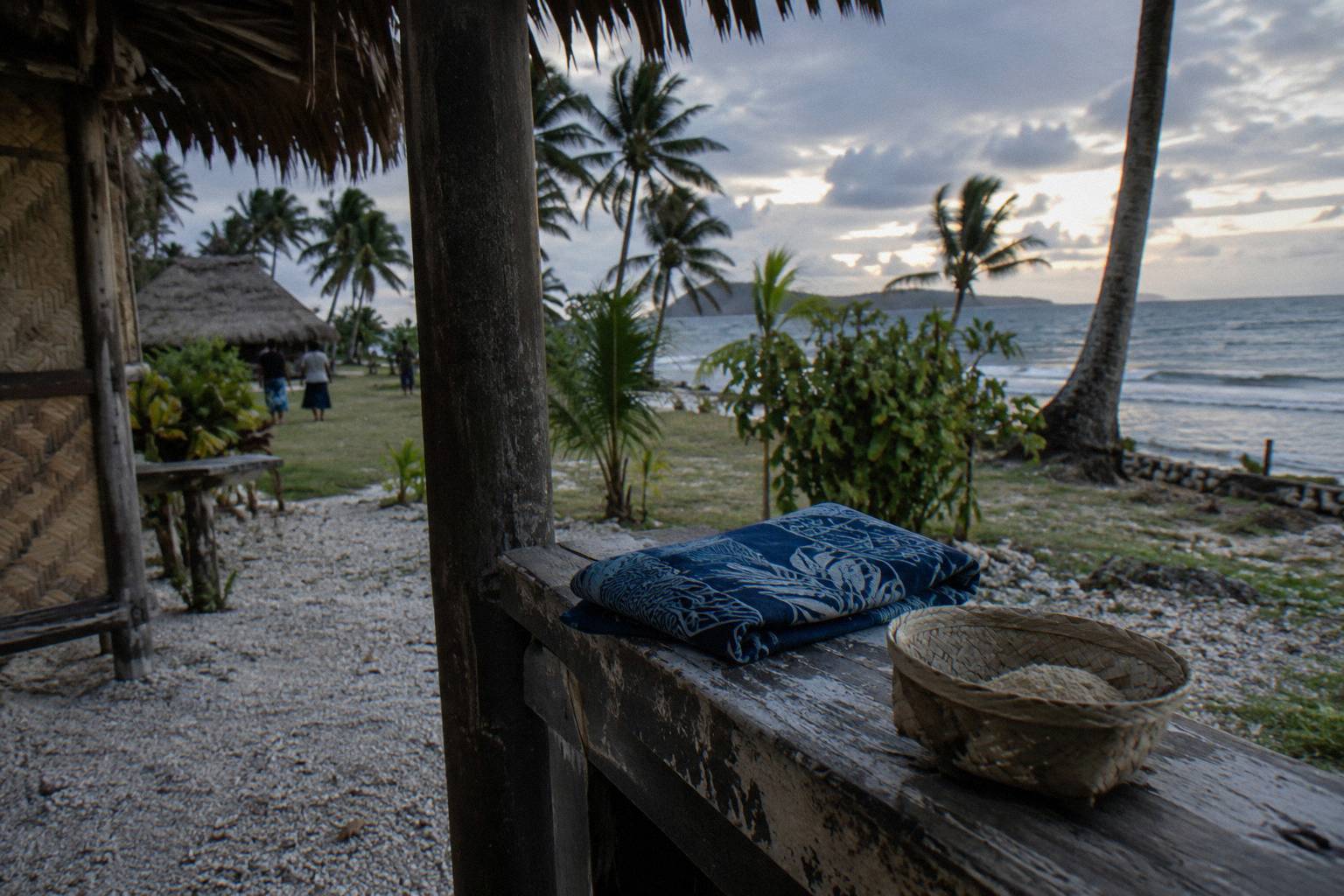
For the staged evenings the bar is lower but not absent. Fiji Culture Village's dress guidance is not stated, so ask the operator directly on +679 804 4800; its evening includes a guided village walking tour, so resort-adjacent clothing that covers shoulders and legs is a reasonable default. More general packing advice sits on the page about what to wear to a Fijian village night, and the etiquette itself is unpacked in the guide to Fiji cultural night etiquette.
Robinson Crusoe's evening stages the sevusevu welcome with kava tasting on the island itself, reached through the river cruise its itinerary lists among the highlights. Check availability if the island version of the ceremony is the one that fits your nights, since it only runs three evenings a week.
A Real Village Sevusevu Versus A Staged Welcome Ceremony
The difference is permission. In a village, sevusevu is a genuine exchange: the guest presents kava to the chief to be received onto communal land, as Tourism Fiji's etiquette page describes. On a staged evening, the operator presents a shortened version inside a ticket, so the ceremony welcomes guests who have already been invited. Both are worth doing, but they are different experiences with different obligations, and a visitor should know which one an evening is offering before booking.
The staged version is not a lesser thing so much as a different thing. Nobody arrives at Fiji Culture Village or boards the Robinson Crusoe boat uncertain of their welcome, because the ticket is the invitation. What the staged evenings offer instead is a readable introduction: the tanoa in the middle, the bilo going around, the claps and the vinaka, all at a pace a first-time visitor can follow, with a full program of lovo, meke and fire around it. For many travellers this is the first and only kava circle they will ever sit in, and the operators design the night so that joining in is easy.
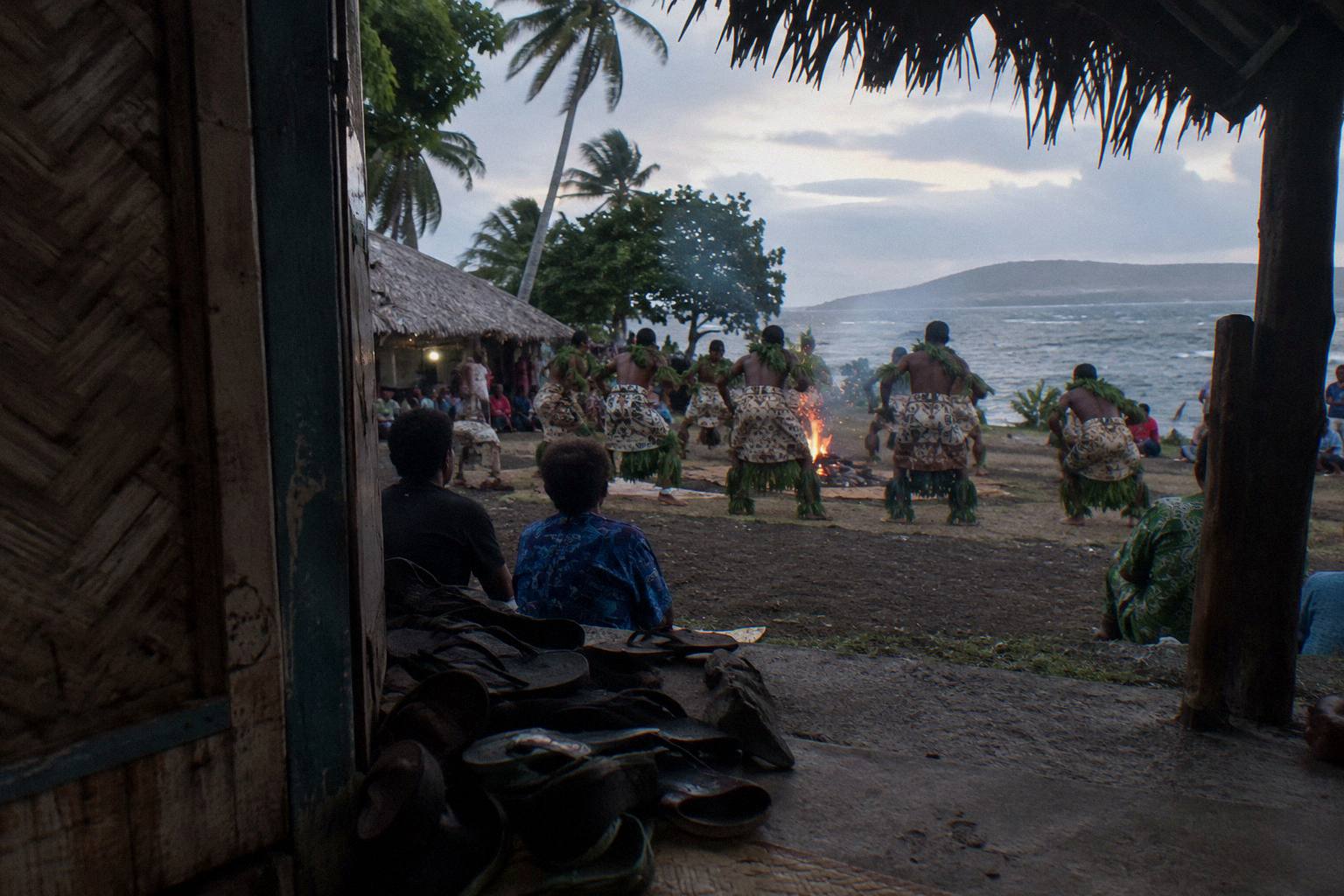
The village version asks more of the visitor. The gift has to be acquired, in the FJD 30 to 40 range Tourism Fiji gives for half a kilogram of yaqona root. The etiquette carries real weight: covered shoulders and legs, a sulu at the waist, hat and sunglasses off, bag in hand, shoes off inside, permission asked before photographs, a soft voice. Tourism Fiji's etiquette page sets these out as the terms of being a guest, not as suggestions. The reward is the exchange itself, being received rather than entertained, which is the thing a staged evening can describe but not reproduce.
| Aspect | Village sevusevu | Staged welcome ceremony |
|---|---|---|
| Purpose, per Tourism Fiji | Gift to the chief to seek permission to enter communal lands as a guest | Part of the evening's program, already inside the ticket |
| Gift required from the guest | Yes; around FJD 30 to 40 for half a kilogram of yaqona root | No; the kava is provided by the operator |
| Dress expectations | Shoulders and legs covered, sulu at the waist, hat and sunglasses off | Operator-stated: Robinson Crusoe asks for covered shoulders and a sulu or sarong on its Combo village visit |
| Where to experience it | A village visit, arranged independently | Fiji Culture Village kava ceremony, Robinson Crusoe sevusevu welcome with kava tasting |
There is a third category that belongs to neither column: resort entertainment. Tourism Fiji notes that firewalking, a separate custom, is performed at major hotels in Pacific Harbour, the Coral Coast and Denarau, and directs readers to check with the resorts. No resort is named in the research for this site, so none is named here. The point for this comparison is that a resort lawn and a village ground are different stages, and sevusevu in its full form belongs to the second.
Where The Word Meets The Evening You Book
If you want a bookable evening with a kava element, you have two options: the Fiji Culture Village kava ceremony at 7:00pm on a village evening, or Robinson Crusoe's sevusevu welcome with kava tasting on an island night, and you should choose by geography, then nights, then stamina. If you are preparing for an actual village visit, no tour on this site covers the gift, dress code, and etiquette sequence; those come from Tourism Fiji's pages.
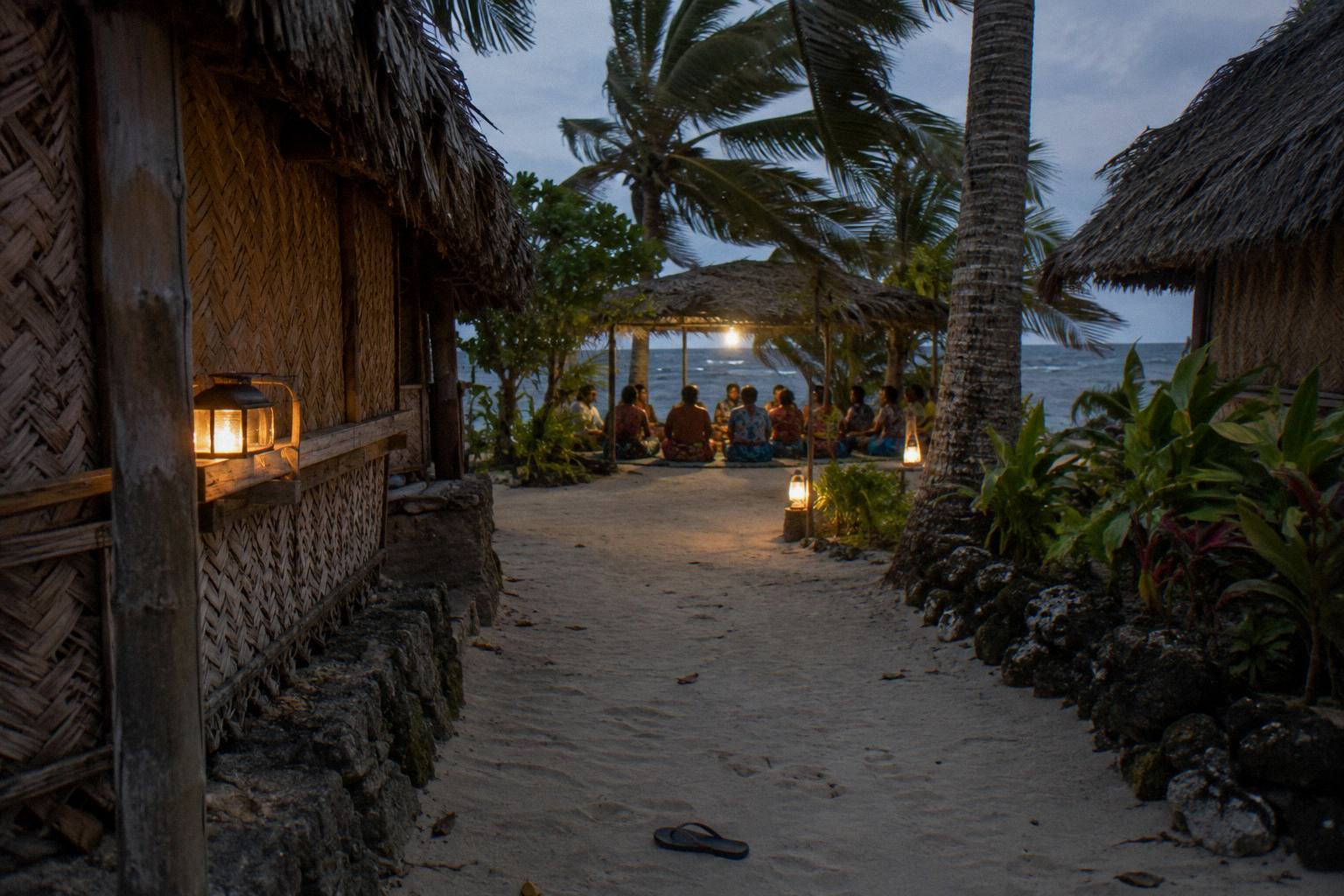
Geography first. Fiji Culture Village sits on Queens Road, just outside Nadi town, with pick-up from Denarau, Nadi and Wailoaloa hotels from 4:20pm, so it suits a stay based in or around Nadi. Robinson Crusoe's evening starts with a coach to a jetty near Natadola Beach, 45 minutes from Nadi, then the 30-minute Tuva River cruise, with coach pick-up from Nadi, Denarau and Coral Coast hotels as far as the Warwick; approximate coach times run from 5 minutes for the InterContinental to 45 minutes for Denarau, Nadi and the Warwick itself. From a Coral Coast resort, the island night is the closer operation; from Denarau, the village evening is the shorter ride.
Nights second. Fiji Culture Village runs Monday to Saturday, giving six chances a week, though the operator's notice closes it for annual maintenance from Monday 22 February 2027 to reopening on Wednesday 10 March 2027. Robinson Crusoe's Sunset Dinner Show runs only Monday, Wednesday and Saturday. A traveller whose free evening is a Tuesday, for example, has one option between the two. Booking ahead, in the sense the site can support, is covered on the page about whether you need to book a Fiji cultural night in advance.
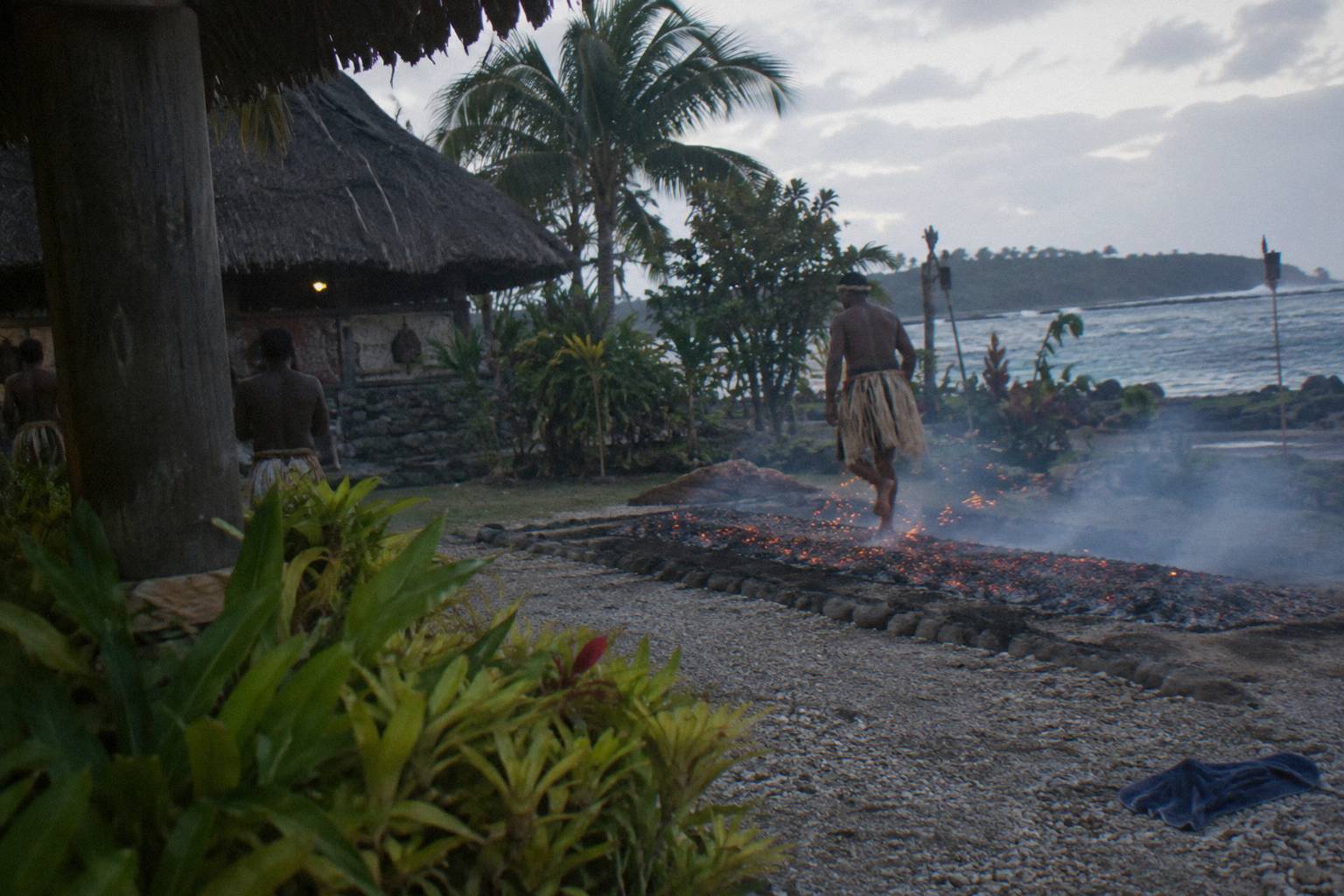
Stamina third, and honestly weighted. The village evening runs about 4 to 4.5 hours door to door and ends with the farewell at 8:30pm. The island show runs 5pm to 9pm on the water with the coach either side. The Day and Night Combo stretches the same island program across about 11 hours, 10am to 9pm, and is a full day rather than an evening out. Families should weigh the child pricing at Culture Village, F$105 for ages 5 to 12 valid to 31 December 2026, against Robinson Crusoe's tag of "suits adults" for its evening show, with no minimum age stated for either operator. The fuller weighing of ages, bedtimes and noise sits in the guide to Fiji cultural nights with kids.
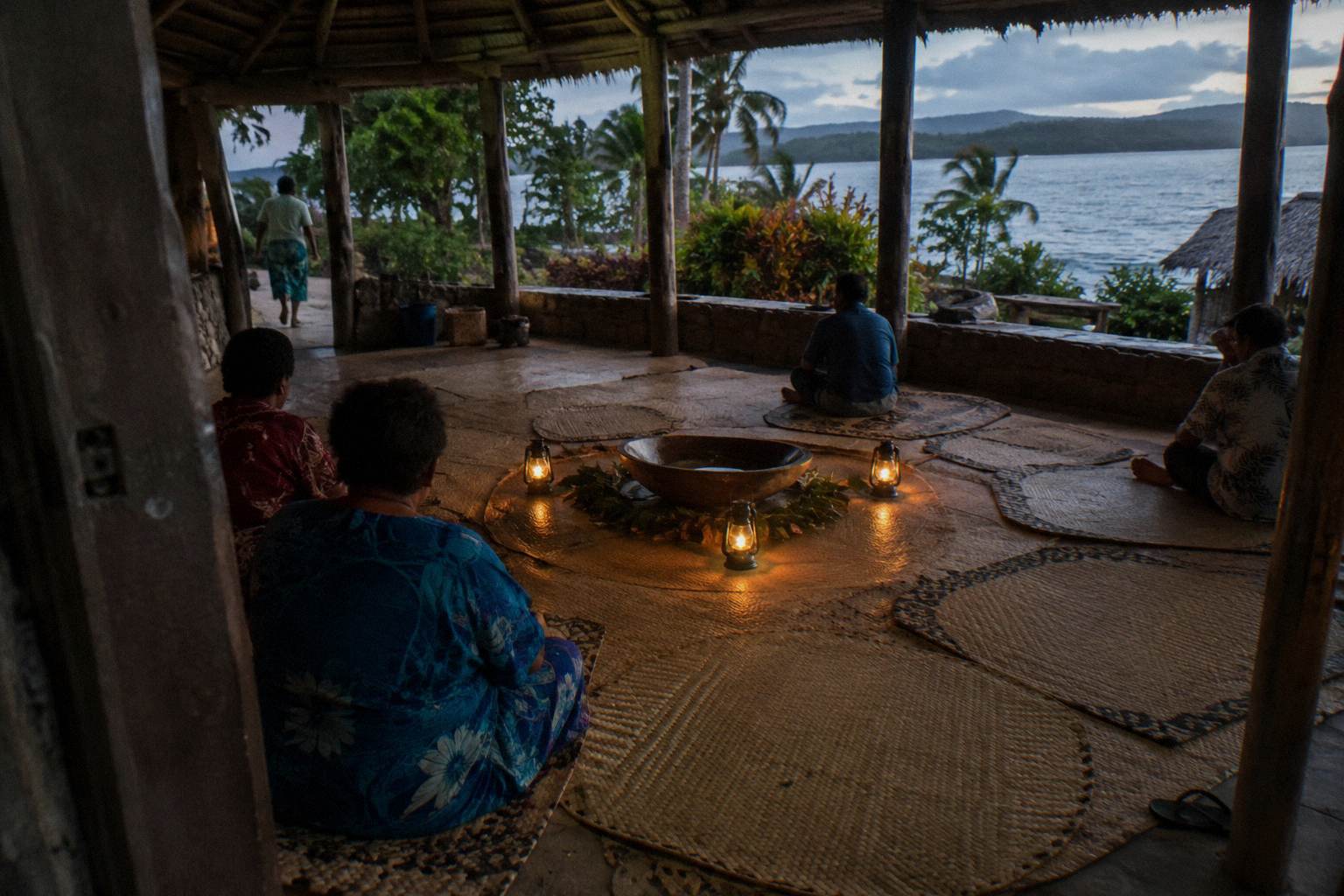
The choice also depends on what surrounds the ceremony. At the village, the kava sits inside a walking tour, a lovo unearthing, a buffet and a meke show with fire dance, all on dry land. At the island, it sits between a river cruise, a bonfire with string band serenaders, a lovo dinner and the "Legends of the Pacific" fire and knife dancing show, with the siva afi fire-knife element Samoan in origin and staged in Fiji shows rather than a Fijian tradition. Readers torn between the two formats can follow the broader comparison of a Fiji cultural night against a resort show or the roundup of things to do in Nadi at night.
Common Mistakes When Preparing For Sevusevu
The recurring mistakes are treating the ceremony as a spectator item, arriving at a village without the gift or the dress code, and assuming every cultural evening includes kava because one of them does. Tourism Fiji's etiquette page asks for covered shoulders and legs, a sulu, a soft voice, and permission before photographs, none of it optional in a village, and for staged evenings the fix is reading what the operator actually lists.
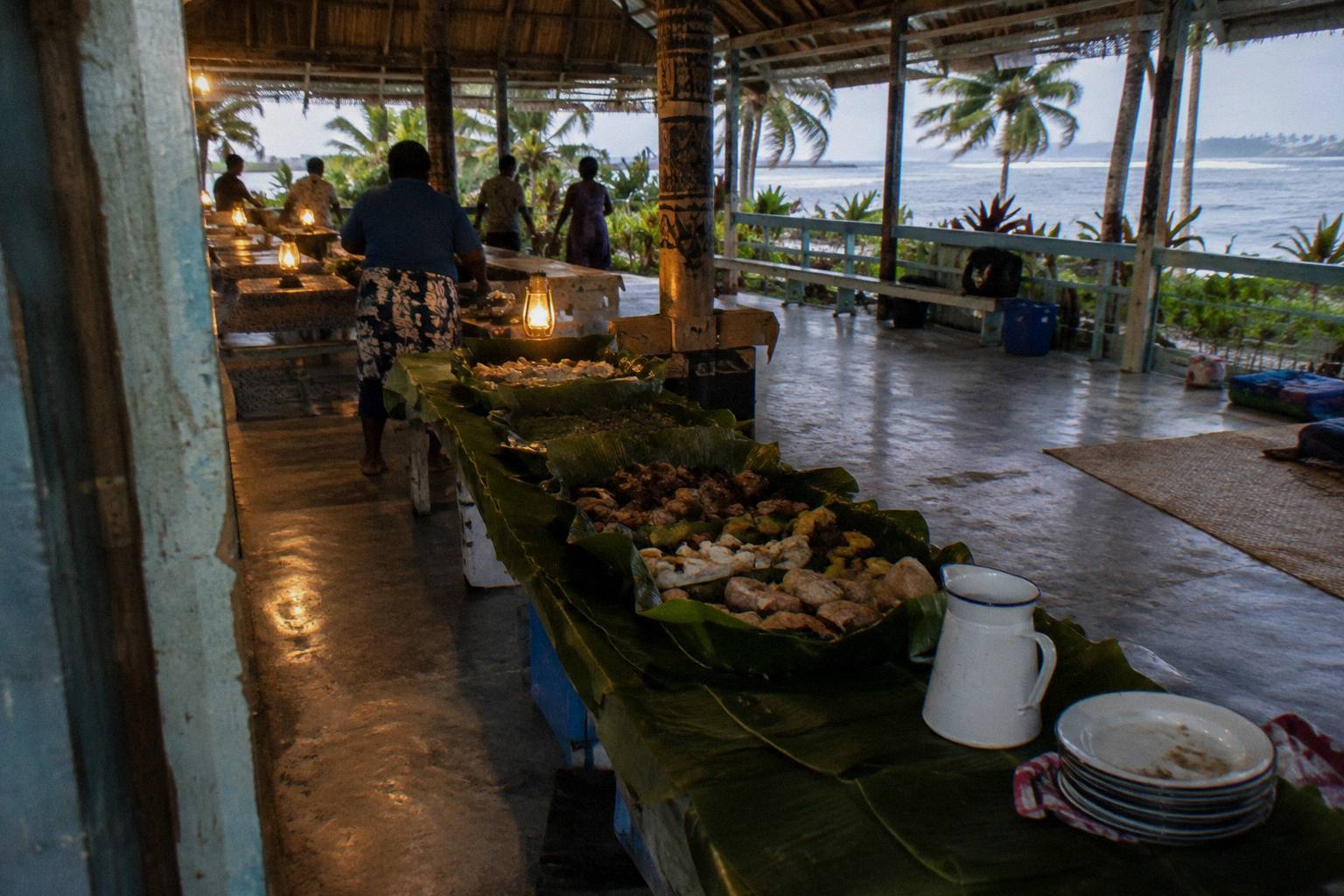
The first mistake costs the most. A visitor who turns up to a genuine village visit in beachwear, hat on, camera up, has skipped the terms of entry that Tourism Fiji sets out. The sevusevu gift is the request, and the dress and behaviour are the manner of making it. The sources do not describe what happens when a guest falls short, and this page does not speculate; the honest answer is to arrive inside the stated etiquette and never find out.
The second mistake is assuming kava where none is stated. Valentine Tours Fiji's evening is billed with dinner and a meke show; no kava or sevusevu claim appears for it. VOU's evening is described as a theatrical dinner show, a modern stage format rather than a meke-and-lovo village night, and again no kava claim is stated. Booking either expecting a tanoa in the middle of the floor is booking the wrong product. The rule of thumb: if the operator does not list it, do not expect it, and ask the operator if it matters to the booking.
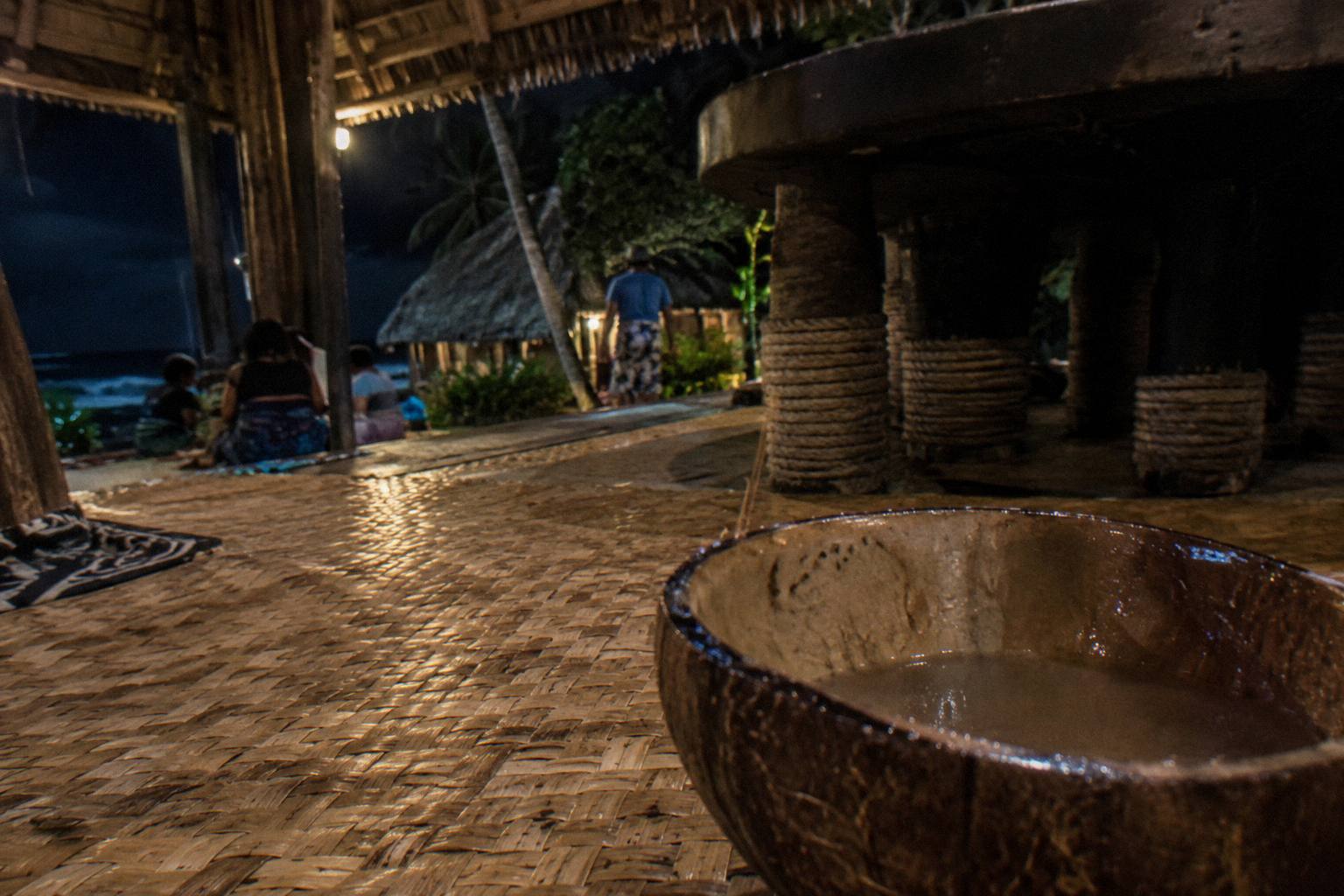
The third mistake is underestimating the evening's shape. The Robinson Crusoe night is a boat-and-island outing with coach transfers both ways, not a dinner five minutes from the hotel lobby, and its own terms hold a hard edge: a cancellation inside 24 hours of pick-up is a 100% forfeit, while 24 hours or more out receives a full refund. Management may also cancel if fewer than 15 adults book, or for cyclones, flooding or other weather, and the lovo may be replaced by a BBQ if numbers are low. None of this is fine print to fear, but all of it is worth reading once, on the operator's terms, before the night is chosen.
With the mistakes mapped and the ceremony understood, the three evenings below cover the formats this site offers.
Common Questions About Sevusevu
What Is Sevusevu In Fiji?
Sevusevu is the customary presentation of a small bundle or packet of powdered kava to the village chief, made to seek permission to enter the community's communal lands as a guest. Tourism Fiji gives this definition on its etiquette page. On staged cultural evenings it appears as a shortened welcome ceremony, such as the sevusevu welcome with kava tasting that Robinson Crusoe lists.
Do I Have To Bring Kava To A Cultural Night Tour?
No. On the staged evenings the kava is provided by the operator and the ceremony is inside the ticket. The gift matters for a genuine village visit, where Tourism Fiji's kava guide prices half a kilogram of yaqona root at around FJD 30 to 40.
What Is The Difference Between Sevusevu And A Kava Ceremony?
Sevusevu is the gift and the request for permission; the kava ceremony is the wider ritual of preparing and sharing the drink, with the tanoa bowl, the bilo cup and the clap-and-vinaka sequence Tourism Fiji describes. On tour itineraries the words are used loosely and often overlap.
Is Sevusevu Performed Every Night In Fiji?
On the tours covered here, the kava elements run on the operators' fixed nights: Fiji Culture Village Monday to Saturday, with a maintenance closure from 22 February to 10 March 2027, and Robinson Crusoe Monday, Wednesday and Saturday. Sundays are sacred and most village tours do not run, per Tourism Fiji.
How Do I Accept A Bilo Of Kava?
Tourism Fiji's kava guide gives the sequence: clap once, cupped and loud; say "Bula!"; drink in one gulp; return the cup, clap three times and say "vinaka." A full cup is high tide, a half cup low tide.
What Should I Wear When A Ceremony Is Part Of The Evening?
Tourism Fiji asks visitors to a Fijian village to cover bare shoulders and legs and wrap a sulu at the waist, with hat and sunglasses off and a soft voice. Robinson Crusoe asks the same for its Combo village visit and keeps spare sulus available. Fiji Culture Village's dress guidance is not stated; ask the operator.