The Tanoa Kava Bowl At A Fiji Cultural Night
The tanoa is the communal kava bowl at the centre of a Fijian ceremony. Tourism Fiji's own kava guide names the bowl, the cup and the two serving sizes, and two Nadi evenings stage a kava ceremony around one.
Short answer
The tanoa is the communal bowl kava is mixed and served from at a Fijian ceremony; the bilo is the cup you drink from. Tourism Fiji's kava guide says a full cup is called high tide and a half cup low tide. Fiji Culture Village stages a kava ceremony at 7:00pm; Robinson Crusoe stages a sevusevu welcome with kava tasting.
The tanoa is the communal bowl kava is served from, and it sits at the centre of every staged kava moment on a Nadi cultural evening. Tourism Fiji's kava guide gives the vocabulary in plain terms: the drink comes from the dried roots of Piper methysticum, the bowl is the tanoa, and the cup is the bilo. Two of the evenings covered here build a ceremony around one.
What Is A Tanoa, The Kava Bowl At A Fiji Cultural Night?
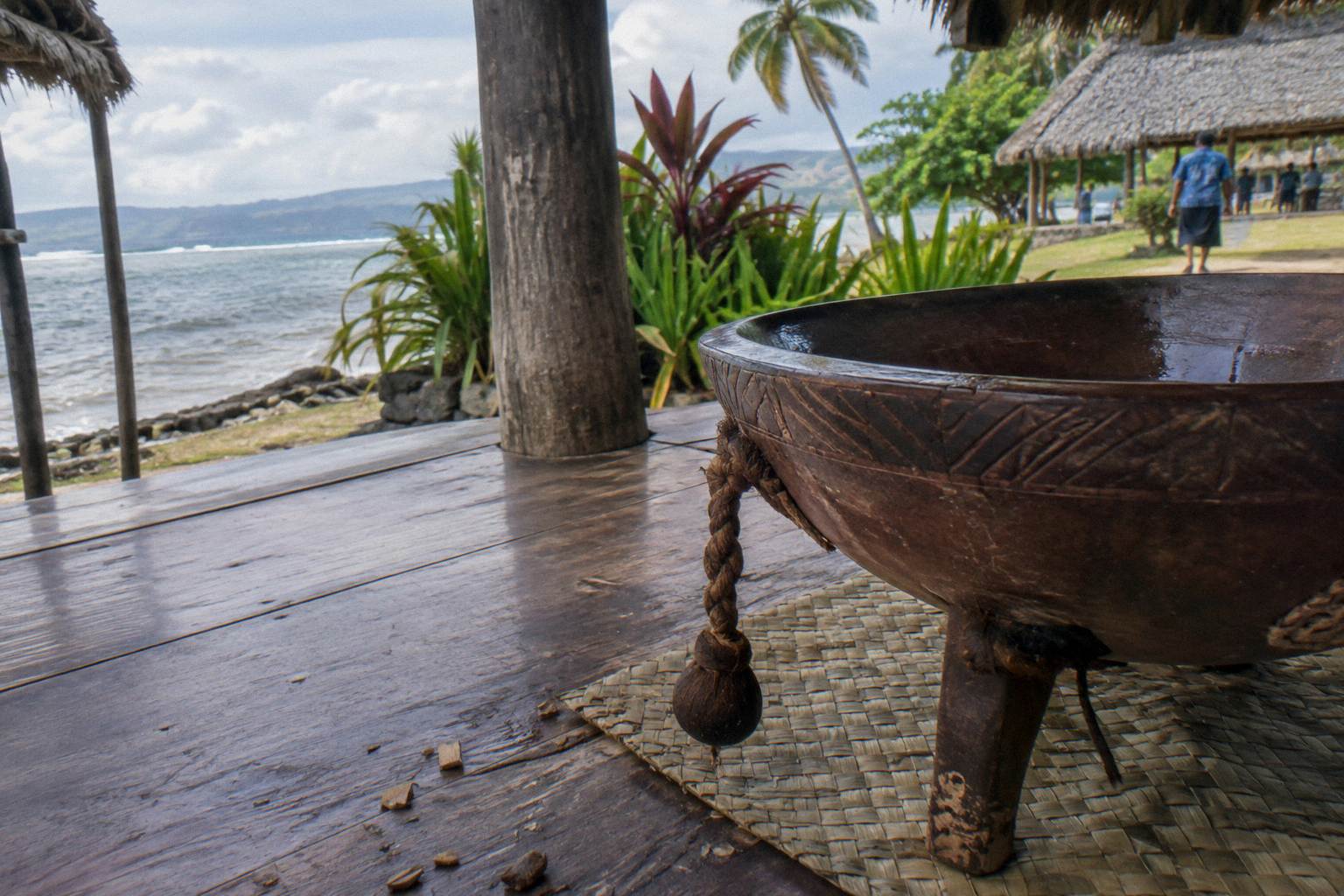
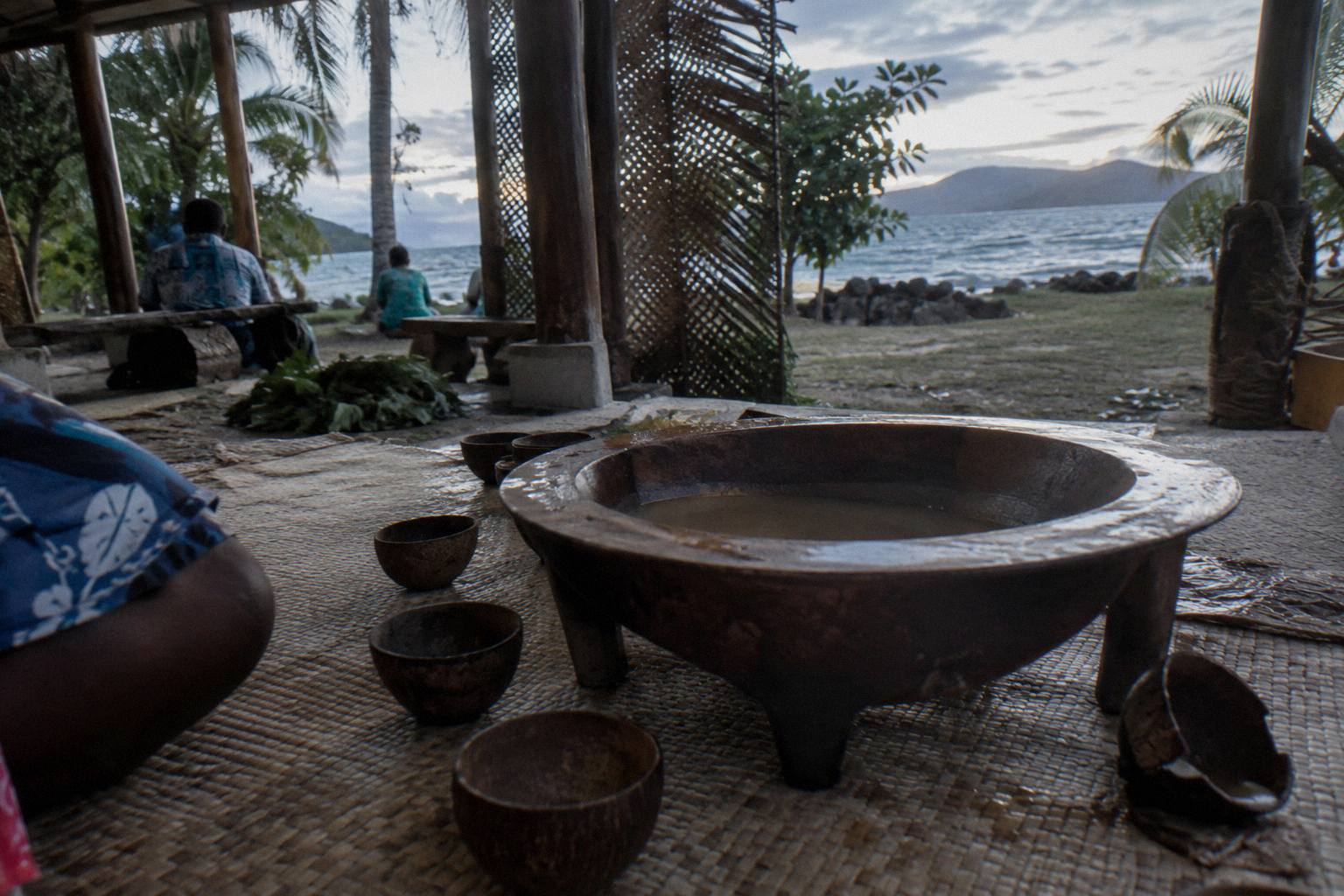
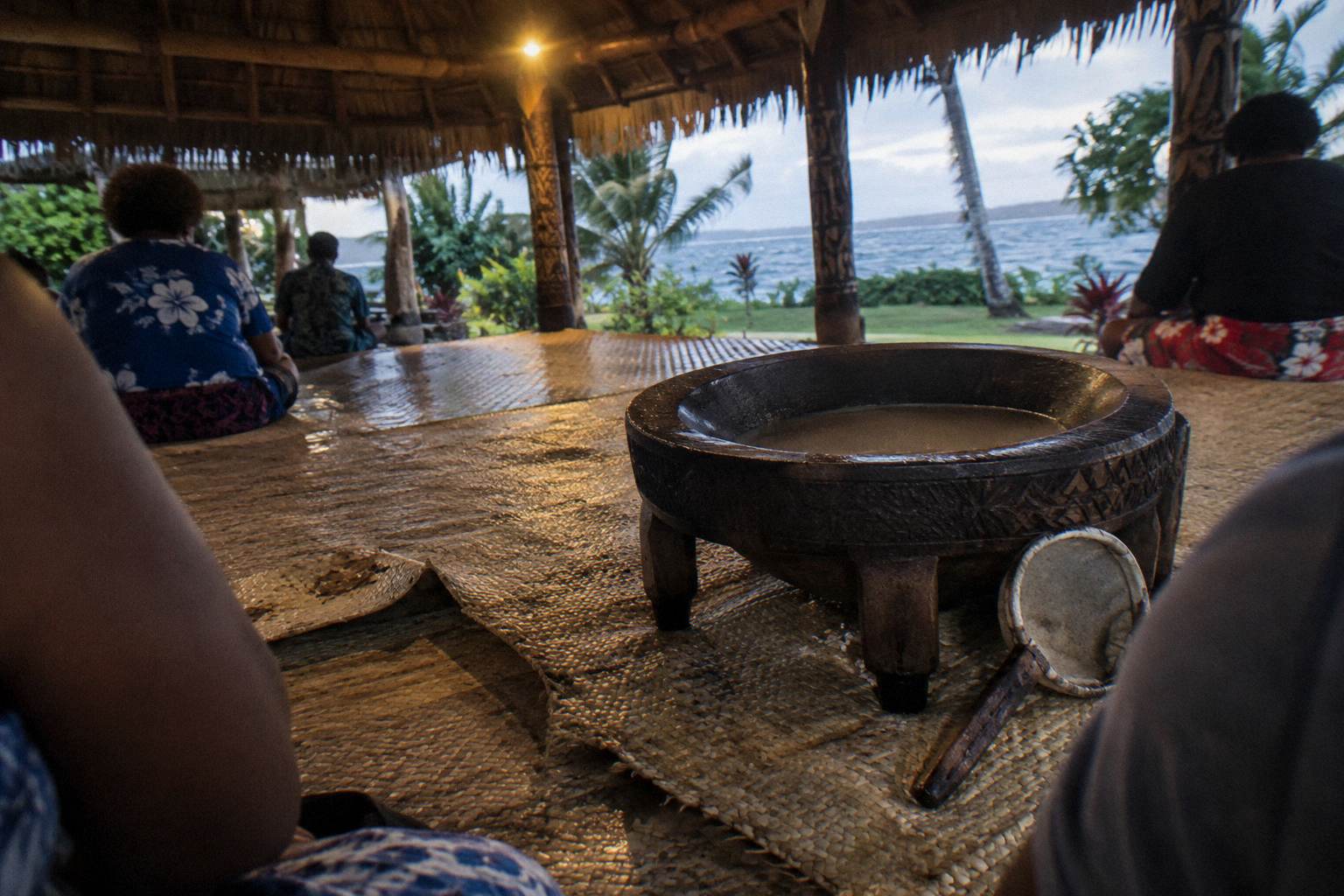
A tanoa is the communal bowl from which kava is mixed and served at a Fijian ceremony, and on a staged cultural evening it serves as the physical centrepiece of the kava moment. Tourism Fiji's kava guide puts it plainly: the drink comes from the dried roots of Piper methysticum, the bowl it is served from is the tanoa, and the individual cup you drink from is a bilo.
The word itself is worth getting right before the evening starts. Kava is the English name; yaqona is the name Tourism Fiji's kava guide uses for the plant and the drink, and that spelling is the one the official pages carry. The bowl is never called a kava bowl on those pages, it is a tanoa, and the cup is never a glass, it is a bilo. Using the two words correctly is a small thing but it is the difference between watching a ceremony and understanding the roles in it.
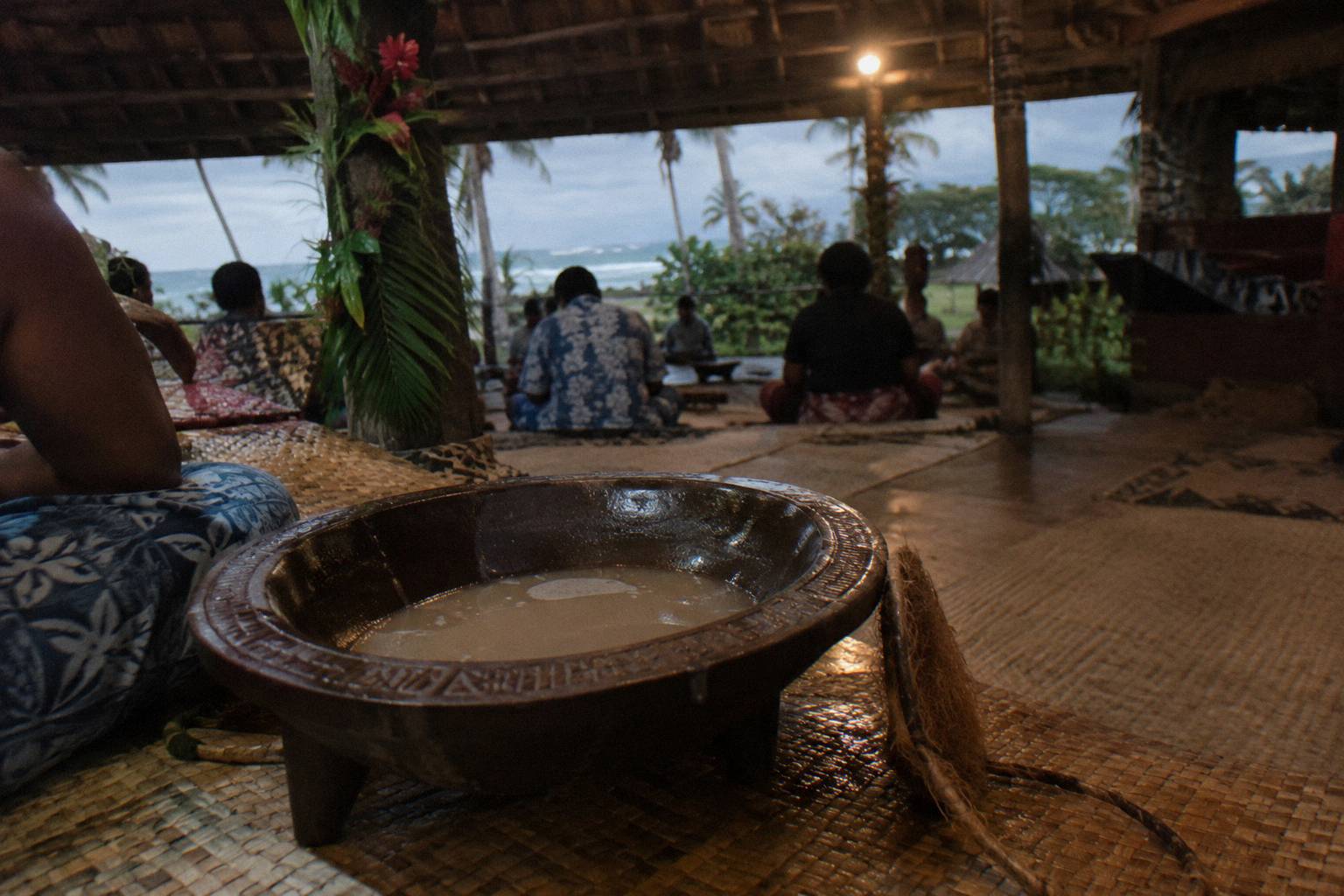
What the bowl actually does at an evening is simple. Kava as served on these nights is a shared drink from one bowl, portioned out cup by cup, and the ceremony around it is the format the host uses to offer it to guests. Tourism Fiji's guide to drinking kava in Fiji describes the sequence of accepting a cup, the words that go with it and the two serving sizes, and the sections below take each of those in turn, because each one is a decision you make in real time once the bowl reaches you.
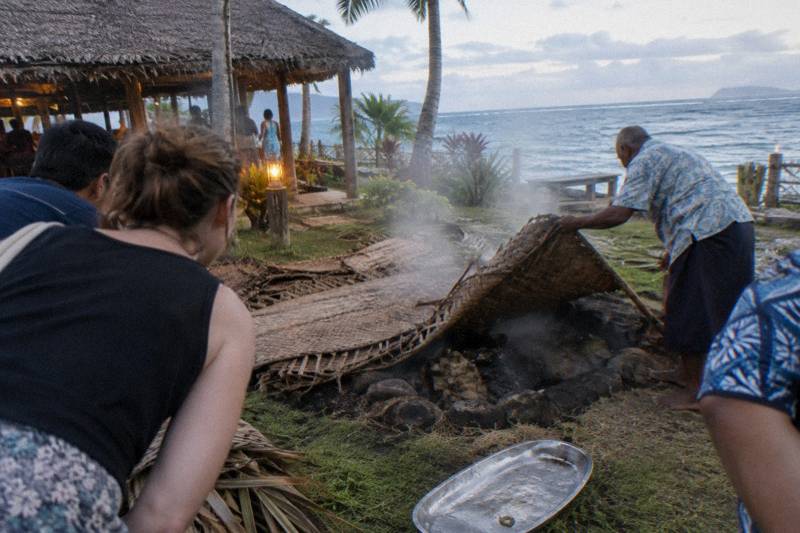
The two evenings that stage the moment do it at different points in the night. Fiji Culture Village lists a kava ceremony at 7:00pm on its published timeline, between the unearthing of the lovo at 6:45pm and the buffet dinner at 7:20pm. Robinson Crusoe lists a sevusevu welcome ceremony with kava tasting among the highlights of its Sunset Dinner Show. Neither operator publishes a step by step script of the ceremony itself, so the reliable detail on what happens around the bowl comes from Tourism Fiji's pages, and the reliable detail on when it happens comes from the operators.
For the wider etiquette that surrounds any village ceremony, from dress to photography, the companion page on Fiji cultural night etiquette and village protocol covers the ground, and what actually happens at a Fiji kava ceremony walks through the ceremony format end to end.
Tanoa Vs Bilo: The Bowl And The Cup Explained
The tanoa is the shared bowl that holds the kava, while the bilo is the individual cup it is poured into for each drinker in turn, so the two words are not interchangeable. According to Tourism Fiji's kava guide, a full cup is called high tide and a half cup is called low tide, and knowing the difference turns the moment the bowl reaches you from guesswork into a choice.
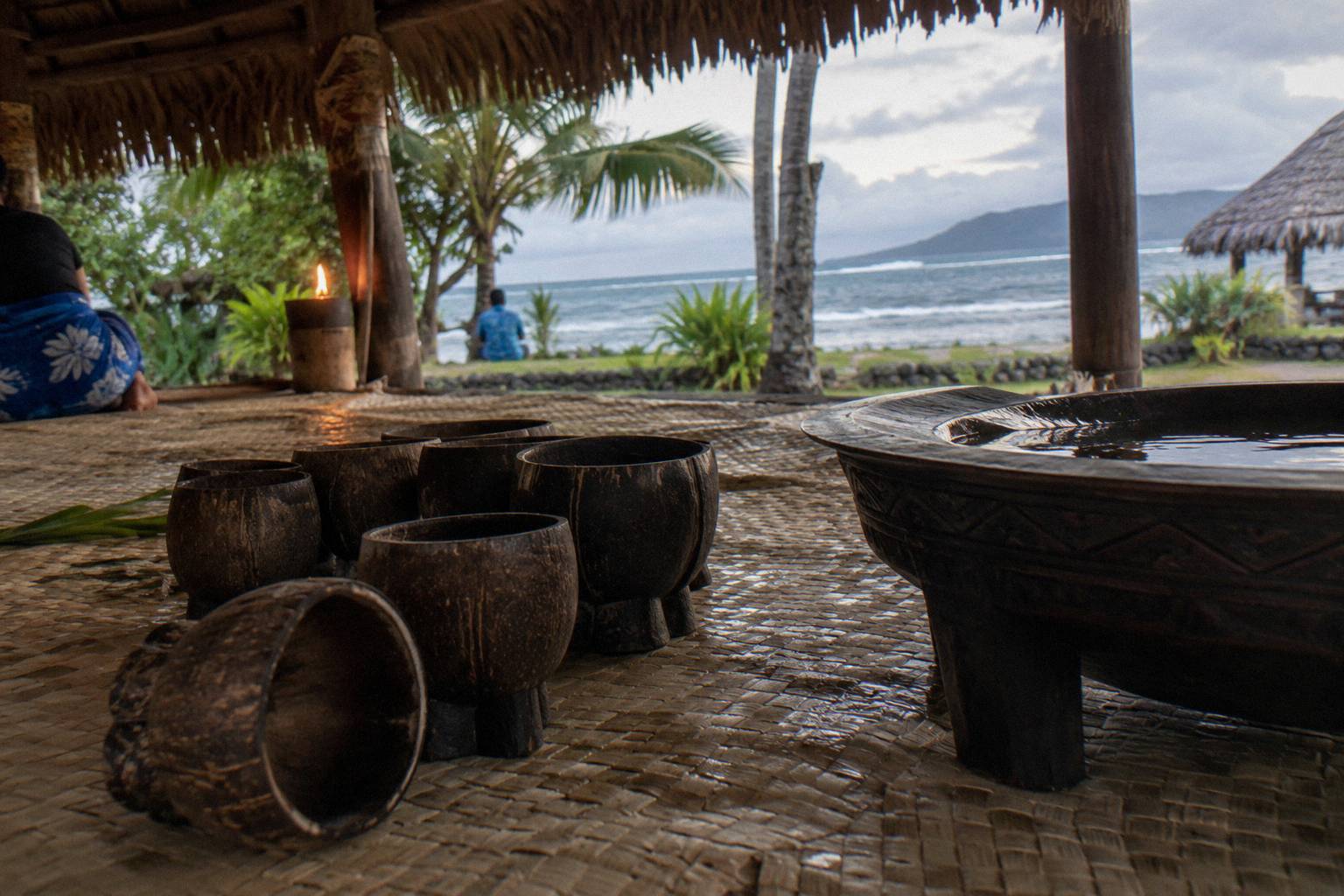
The distinction matters because the bowl never moves to the drinker on these evenings. One person serves, the bowl stays put, and each guest in turn receives a single cup, drinks it, and returns it. That is the format Tourism Fiji's guide implies when it describes accepting a bilo, returning the cup and passing the moment on. On a staged evening with dozens of guests, the cup is the unit of the ceremony and the bowl is the constant.
The serving sizes are the part visitors ask about most, and the guide gives them nicknames rather than volumes. High tide is the full cup, low tide is the half cup. The guide does not print millilitres for either, and no operator page here does either, so the honest planning advice is simply that the two labels exist, that low tide is the smaller of the two, and that either can be requested when your turn comes. Nothing in the research says one is expected of visitors or that a host chooses for you.
| Term | What it is | Who names it |
|---|---|---|
| Tanoa | The communal bowl kava is mixed and served from | Tourism Fiji's kava guide |
| Bilo | The cup an individual drinker receives and returns | Tourism Fiji's kava guide |
| Yaqona | The plant and the drink, from dried roots of Piper methysticum | Tourism Fiji's kava guide |
| High tide | A full cup of kava | Tourism Fiji's kava guide |
| Low tide | A half cup of kava | Tourism Fiji's kava guide |
That vocabulary is the whole toolkit for the evening. Beyond it, the research covers no detail on how the bowl is carved, what wood it is made from, how old the tradition of the bowl itself is, or how kava is prepared beyond the guide's single line that it comes from dried roots. Those questions have answers elsewhere, but not in the sources behind this page, so they stay unstated here rather than guessed.
If a ceremony evening with a kava moment is what you are shopping for, three of the nights covered here approach it differently.
The Culture Village Evening Tour places its kava ceremony on a published minute by minute timeline, the Valentine Tours evening is billed around dinner and a meke show with pick-up from the Nadi and Denarau area, and the Robinson Crusoe Sunset Dinner Show wraps its kava tasting inside a sevusevu welcome on an island reached by boat.
Where The Tanoa Appears On A Night Out Around Nadi
Around Nadi, the tanoa shows up on just two of the five evenings covered here: Fiji Culture Village stages a kava ceremony at 7:00pm, and Robinson Crusoe includes a sevusevu welcome ceremony with kava tasting in its Sunset Dinner Show. The remaining evenings, built around dinner with a meke show or around theatre, publish no kava ceremony, so pick the right night rather than hoping for one.
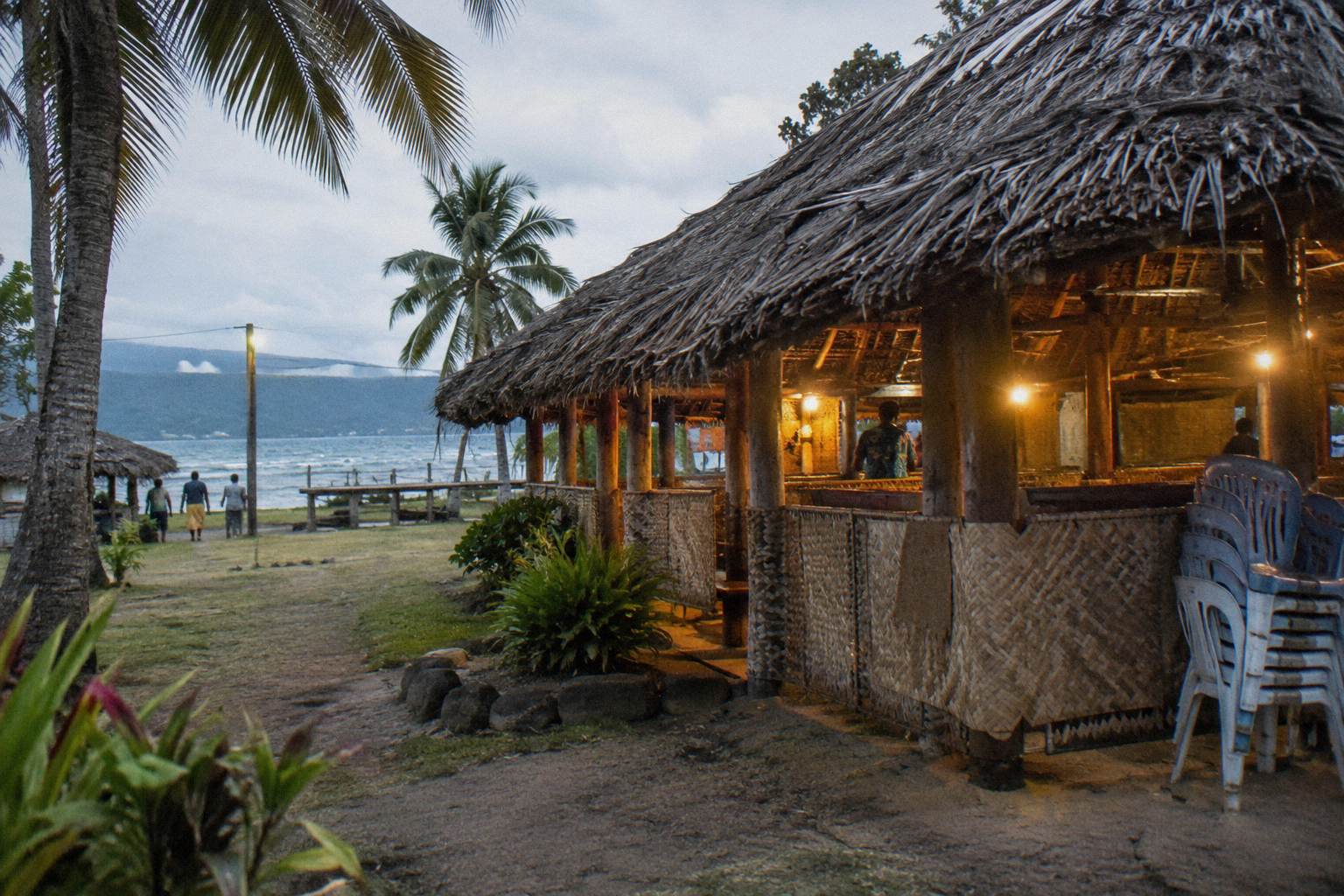
The clearest published example is the Culture Village timeline. Pick-up from Denarau, Nadi and Wailoaloa hotels runs from 4:20pm, a warrior welcome follows at 5:15pm, a guided village walking tour at 5:30pm, the lovo is unearthed at 6:45pm, and the kava ceremony lands at 7:00pm, forty minutes before the meke show and fire dance at 7:50pm. The operator lists the kava ceremony among the inclusions, alongside the return transfer, the buffet dinner of lovo food and the shows, and Tourism Fiji names the village itself, on Queens Road, as just outside Nadi town.
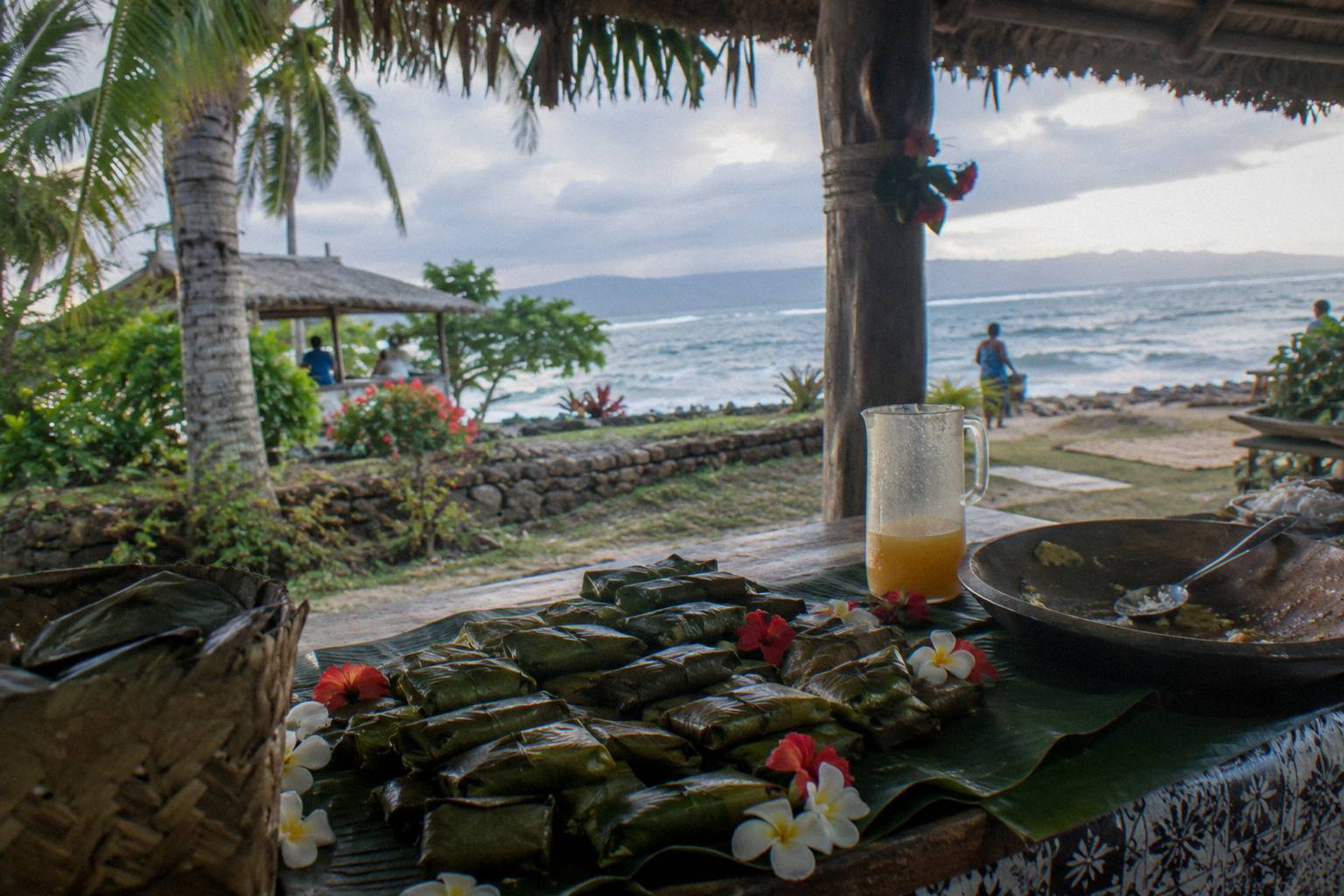
Robinson Crusoe stages its version earlier and further from town. The Sunset Dinner Show runs Monday, Wednesday and Saturday, the boat leaves the mainland jetty at 5:00pm, and the sevusevu welcome ceremony with kava tasting is listed among the highlights, alongside a 30 minute river cruise down the Tuva River, the sunset bonfire and string band, the lovo dinner and a fire walking demonstration. The jetty sits near Natadola Beach, 45 minutes from Nadi, and return coach transfers from Nadi, Denarau and Coral Coast hotels as far as the Warwick are included, per the operator's terms.
| Evening | Kava moment | When, per the operator | Nights it runs |
|---|---|---|---|
| Culture Village Evening Tour With Dinner And Show | Kava ceremony, listed as an inclusion | 7:00pm on the published timeline | Monday to Saturday |
| Robinson Crusoe Sunset Dinner And Fire Show | Sevusevu welcome ceremony with kava tasting | Listed among highlights, before dinner | Monday, Wednesday and Saturday |
| Valentine Tours Fijian Culture Night, Dinner And Meke Show | Not stated; check the booking page | Not stated | Not stated |
| VOU Evening Dinner And Show | Not stated; the operator bills theatre and drumming, not a village ceremony | Not stated | Not stated |
The gaps in that table are real and worth respecting. Valentine Tours Fiji is a Nadi evening of about three hours with dinner and a meke show and hotel pick-up from the Nadi and Denarau area, and beyond that the operator has published nothing the research could verify, so whether a tanoa appears is a question for the booking page, asked once and left there. VOU Hub Fiji is described as a theatrical dinner show with drumming, dinner and theatre, a modern stage contrast rather than a village night, and nothing more is stated for it either.
Fiji Culture Village also publishes a closure window worth planning around: the operator's notice closes the village for annual maintenance from Monday 22 February 2027 to reopening on Wednesday 10 March 2027, with online orders after 21 February 2027 still processed. Contact for anything the page does not answer is +679 804 4800. For the full evening from pick-up to farewell, the Culture Village Nadi evening in detail walks the whole timeline.
High Tide Or Low Tide: The Two Servings From The Bowl
High tide means a full cup and low tide means a half cup, and Tourism Fiji's kava guide names no other serving sizes, nor does it print volumes for either. No operator page adds amounts, so the labels themselves are the answer: low tide is simply the smaller pour, and nothing in the sources says a visitor is expected to choose one over the other.
The nicknames are the guide's own and they are worth using as they stand. Asking for low tide in the guide's terms is simply the smaller of the two pours the ceremony offers, and asking for high tide is the full cup. The guide stops there. It does not say which size hosts serve to guests by default, it does not rank them, and it does not attach any meaning to the choice, so this page does not either.
What the sources do support is preparation. Know the two labels before the bowl reaches you, decide which you would rather have, and let the moment be short. The sequence around the cup is fixed and quick, one clap, one word, one gulp, one return, and the size decision is the only variable in it that belongs to you. Visitors who enjoy the moment most tend to be the ones who made that one small decision in advance rather than at the bowl.
| Serving | What it means | Who says it |
|---|---|---|
| High tide | A full bilo | Tourism Fiji's kava guide |
| Low tide | A half bilo | Tourism Fiji's kava guide |
Two honest limits close this section. First, the effects of kava on the body, its strength, and anything a drinker might feel are outside what the research covers: for questions of that kind, the right source is a health professional, not a travel page. Second, whether declining a cup altogether is acceptable at a staged evening is likewise not stated in the sources; the companion blog whether you have to drink kava at a Fijian ceremony handles that question directly, and beyond it the operator is the one to ask.
How To Accept A Bilo From The Tanoa
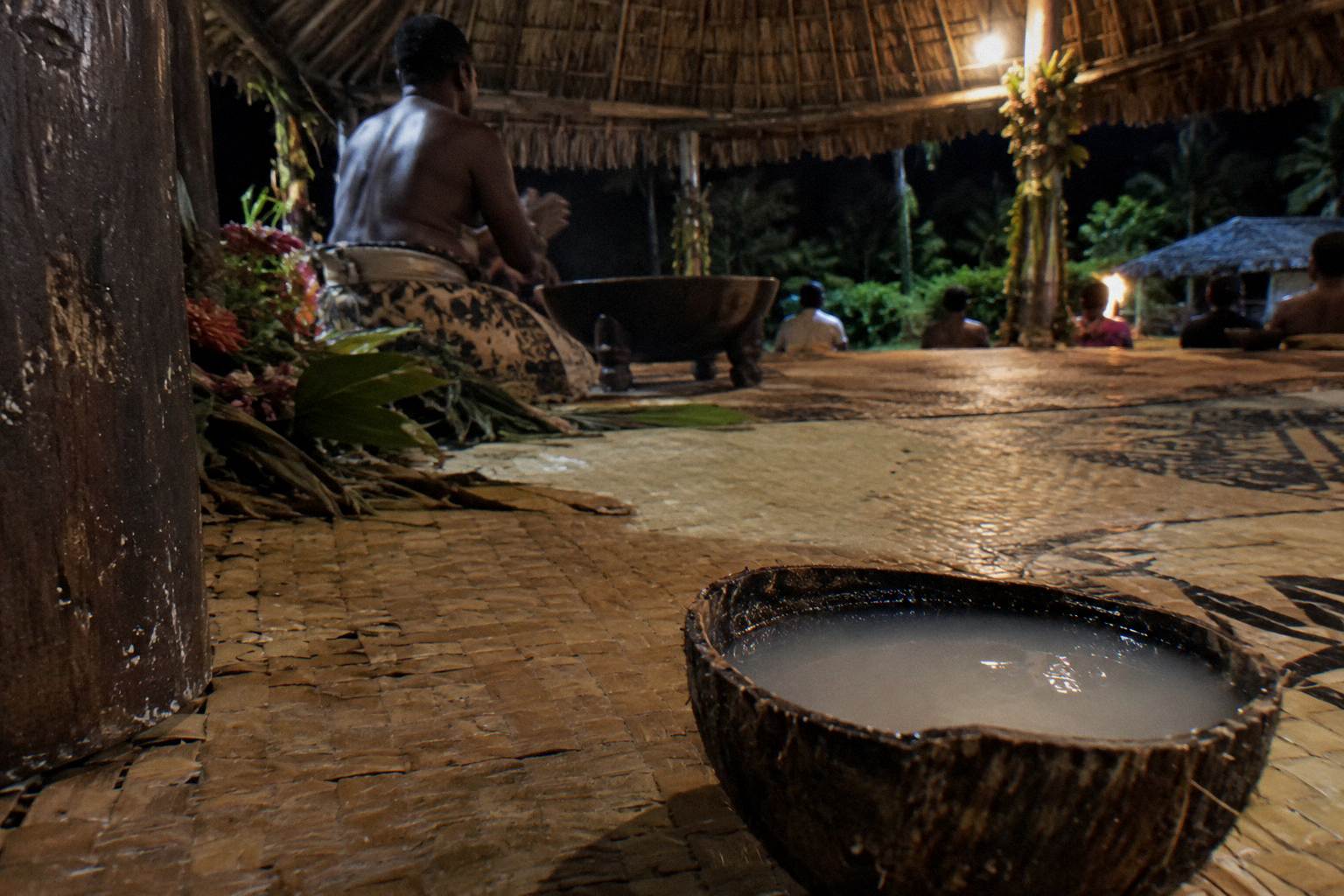
To accept a bilo from the tanoa, follow Tourism Fiji's four-beat sequence: clap once, cupped and loud, say "Bula!", drink the cup in one gulp, return the cup, then clap three times and say "vinaka". The same sequence applies to guests on a staged evening, and it is short enough to learn in a minute.
The order matters more than the polish. The single clap comes first and it is cupped and loud, per the guide's own wording. The word is "Bula!", the same greeting that runs through every Fijian evening. The drink is taken in one gulp, not sipped. Then the cup goes back, three claps follow, and the closing word is "vinaka", which the guide uses as the thanks that ends the exchange. Practise the sequence twice in your hotel room and it will carry you through the real thing. Everything else covered here is indexed on Fiji Cultural Night Tours.
| Step | Action | The guide's wording |
|---|---|---|
| 1 | Clap once before drinking | Clap once, cupped and loud |
| 2 | Greet | Say "Bula!" |
| 3 | Drink | Drink in one gulp |
| 4 | Return and close | Return the cup, clap three times, say "vinaka" |
Around the sequence sits the etiquette that applies to any Fijian village setting, and Tourism Fiji's etiquette page covers it: cover bare shoulders and legs, wrap a sulu at the waist, remove hat and sunglasses, carry bags in hand rather than on shoulders, ask permission before taking photographs, and remove shoes before entering any village building. Speaking softly and not touching anyone's head are on the same page. For the Robinson Crusoe Combo the operator itself asks visitors to cover shoulders and bring a sulu or sarong for the village visit, and says spare sulus are available, which makes that one decision easy.
The Culture Village evening, which has a village walk as well as the kava ceremony, does not publish dress guidance of its own: not stated, ask the operator. The general village rules above are the sensible default. The companion page on what to wear to a Fiji cultural night takes the wardrobe question further, and the sevusevu ceremony explained covers the gift protocol that can precede the bowl in a village setting.
If an evening that stages this exact ceremony around a real village walk sounds like the right fit, the Culture Village evening tour page has the full details, and check availability for your dates before locking in the night, since the village runs Monday to Saturday and closes on Sundays.
Sevusevu And The Tanoa: How The Gift And The Bowl Fit Together
The gift and the bowl are linked by protocol: sevusevu is, in Tourism Fiji's own wording, the presentation of a small bundle of powdered kava to a village chief to seek permission to enter communal lands as a guest, and it is what traditionally brings the tanoa into a visit. On these staged evenings it appears in hosted form, with Robinson Crusoe listing a sevusevu welcome ceremony with kava tasting and Fiji Culture Village listing a kava ceremony.
The two pieces sit in order. The sevusevu is the offering that asks permission; the tanoa is the bowl around which the shared drink then happens. Tourism Fiji's etiquette page carries the permission wording quoted above, and its kava guide, which spells the word i-sevusevu on that page, puts the traditional gift of half a kilogram of yaqona root at around FJD 30 to 40, a Tourism Fiji figure and worth knowing even though a staged evening does not ask a guest to bring one.
What a visitor should take from this is proportion. On a booked evening with a transfer, a dinner and a show, the sevusevu and the kava ceremony are hosted parts of the programme, not something to prepare a gift for, and neither operator's page asks for one. The deeper background on the gift itself, including who it is presented to and why, is on the sevusevu ceremony guide and in what sevusevu actually is, and the official wording behind both is Tourism Fiji's etiquette page.
Where the bowl itself is concerned, the limits of the research are worth one plain statement: how kava is prepared for the bowl beyond the guide's line about dried roots is not covered in the sources, and neither operator publishes its preparation. That gap appears once here and the rest of the evening does not depend on it. What the sources do support, fully, is the vocabulary, the sequence and the two serving sizes, and those are the parts a guest actually uses.
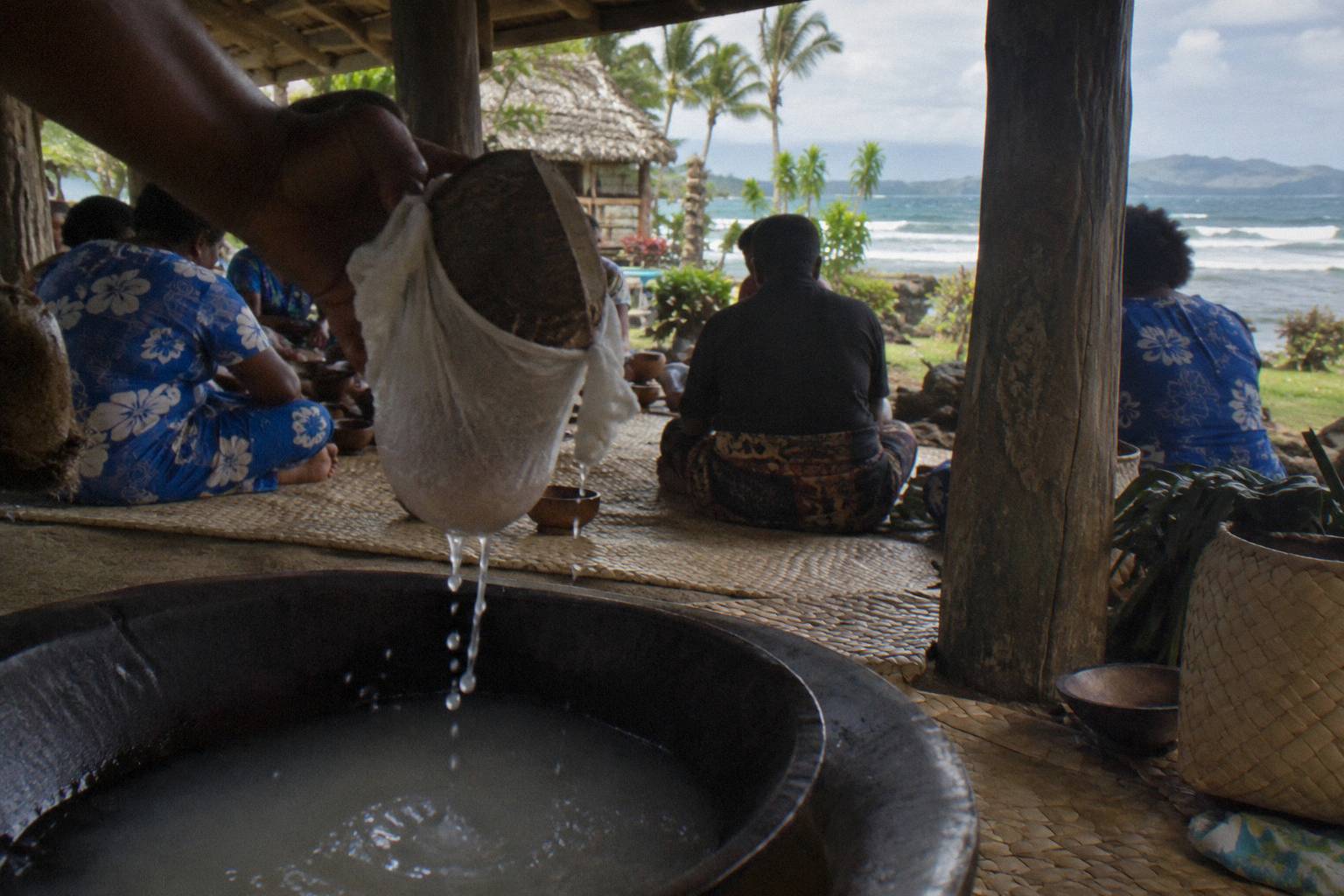
For a reader deciding between the two ceremony formats, the difference is setting. The Culture Village ceremony happens inside a rebuilt village on Queens Road, minutes from Nadi hotels, on a night that also includes a lovo dinner and a meke show. The Robinson Crusoe version happens on Likuri Island at the start of an island evening that continues with a bonfire, a lovo buffet and the operator's fire and knife dancing show, and the operator's Sunset Dinner Show page carries the itinerary in full. Siva afi, the fire knife dance in that show, is Samoan in origin and staged in Fiji shows, a separate thing from Fiji's own firewalking tradition on Beqa (pronounced Benga).
What The Tanoa Evening Costs And How To Plan The Night
The Tanoa evening prints no operator rate, so its cost is whatever the booking page shows at the moment you book, and planning the night starts on that page; the only printed rates among these evenings are Fiji Culture Village's, in Fijian dollars, with F$175 adult, F$105 child aged 5 to 12 and F$500 for 2 adults and 2 children valid to 31 December 2026, then F$189, F$115 and F$550 to 31 December 2027.
| Rate basis | Valid to 31 December 2026 | Valid to 31 December 2027 |
|---|---|---|
| Adult | F$175 | F$189 |
| Child, 5 to 12 | F$105 | F$115 |
| Family, 2 adults and 2 children | F$500 | F$550 |
Every figure above is the operator's rate and carries its basis and its validity period, and no other price is printed anywhere on this site for these evenings. The family rate applies only to 2 adults and 2 children and is not extended to any other group size. For the Robinson Crusoe evenings, the Valentine Tours night and the VOU show, the honest answer on cost is the booking page, and for a fuller costing discussion, what a Fiji cultural night costs works through the planning math.
Cancellation is the other half of the money question, and only one operator publishes terms. Robinson Crusoe gives a full refund on cancellations received 24 hours or more before pick-up, a 100 percent forfeit inside 24 hours, and no change fees to move to another of its tours of equal or lesser value within 30 days, per its terms.
Timing and nights are the last planning pieces. Culture Village picks up from Denarau, Nadi and Wailoaloa hotels from 4:20pm and closes the evening with a farewell at 8:30pm, about four to four and a half hours door to door, Monday to Saturday. Robinson Crusoe's evening runs 5pm to 9pm on the island, Monday, Wednesday and Saturday, with a return coach plus launch transfers included and a request to be at the pick-up point 15 minutes early. Sundays are sacred and most village tours do not run, per Tourism Fiji's etiquette page, which is consistent with both operators' published nights. Whether any evening sells out or needs a lead time is not stated anywhere in the research, so the working rule is simply to match your free night to the nights that run.
Common Mistakes When Joining The Kava Moment At A Cultural Night
The most common mistakes are small and avoidable: treating the bilo as a sipping drink when the guide calls for one gulp, not knowing high tide from low tide, skipping the clap sequence, and dressing for a resort show when the etiquette page asks for covered shoulders and legs in a village. Planning errors matter too: assuming every evening includes a ceremony when only two operators list one, and booking a Sunday when no evening runs one.
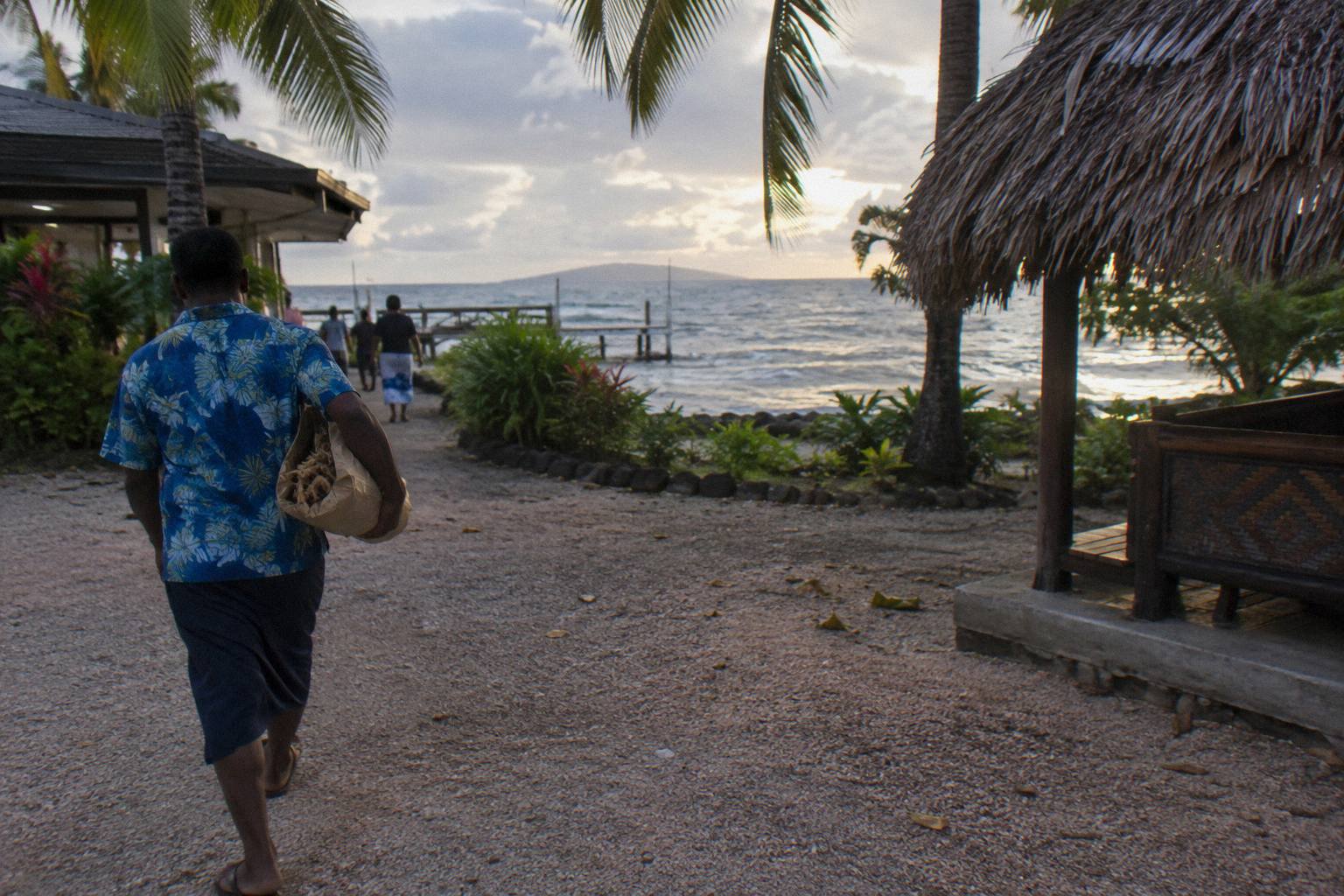
First, the cup. The guide's sequence is one gulp, and treating the bilo as a drink to nurse breaks the rhythm of a ceremony that moves from guest to guest. The size decision is where the control sits: low tide is the half cup and exists precisely so the pour can be a small one. Deciding the size before your turn, rather than at the bowl, is the single habit that makes the sequence feel natural.
Second, the wardrobe. A village evening is not a resort show, and the etiquette page's rules are specific: covered shoulders and legs, a sulu at the waist, no hat or sunglasses, bags in hand, shoes off inside any building, and permission asked before photographs. Robinson Crusoe makes the same request itself for its Combo village visit and keeps spare sulus on hand, so the fix costs nothing. The Culture Village evening publishes no dress guidance of its own, and the general village rules stand as the default, with the operator reachable on +679 804 4800 for anything specific.
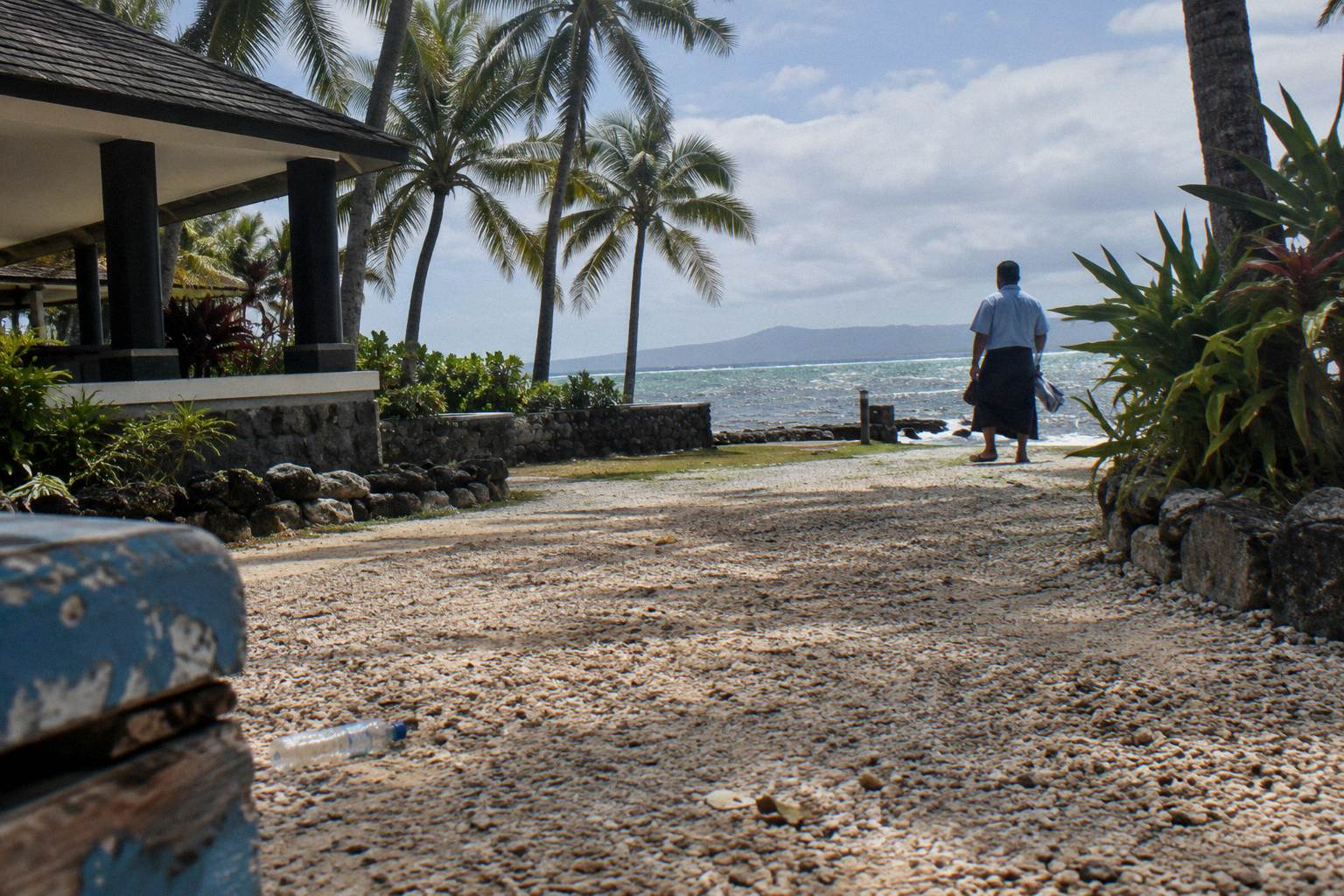
Third, the night itself. The evenings here run on fixed nights, Monday to Saturday for Culture Village, Monday, Wednesday and Saturday for the Robinson Crusoe island evenings, and matching your itinerary to those nights is the real constraint rather than any booking deadline the research does not support. The Valentine Tours and VOU evenings publish no days at all, so their nights are a booking page question. And if the evening you want falls on a Tuesday, Thursday or Sunday, Robinson Crusoe runs its daytime Fiji Culture Day Tour, six hours from 10am to 4pm, on exactly those days, though it is a daytime product and not an evening one.
Fourth, the expectations around the drink itself. Neither operator promises what kava feels like, no source here describes its effects, and a page that did would be guessing. The honest framing is the guide's own: this is a shared drink from a communal bowl, portioned by a host, framed by claps and two Fijian words. Readers with health questions should take them to a health professional before the night, not to a travel page. For the wider question of whether one of these evenings earns its price at all, whether a Fiji cultural night is worth it makes the case both ways.
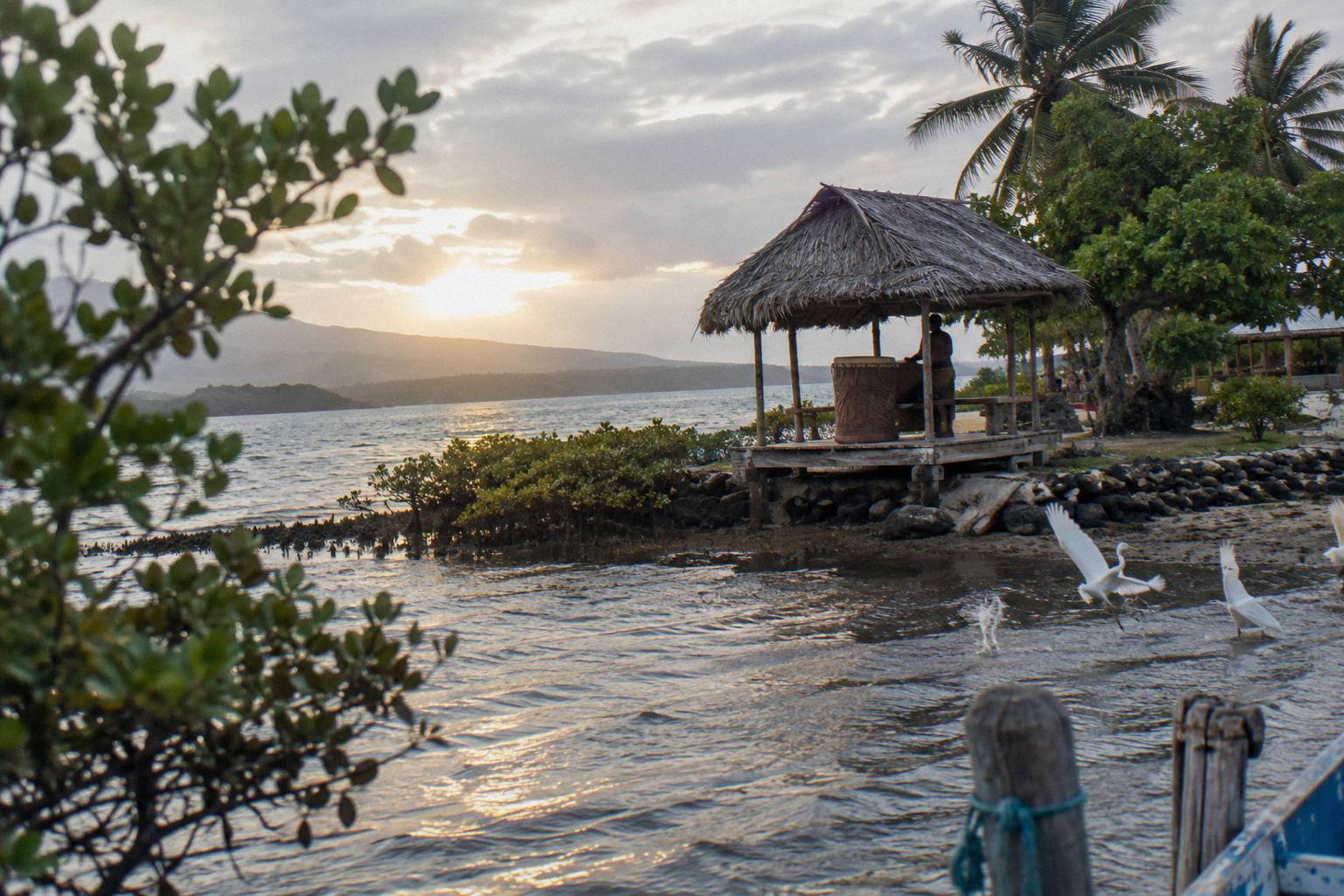
The Valentine Tours evening suits a reader who wants the shorter Nadi format, about three hours with dinner and a meke show and hotel pick-up from the Nadi and Denarau area, and its details are on the booking page.
The Robinson Crusoe Sunset Dinner Show suits a reader who wants the ceremony wrapped into a bigger island night, with the boat, the bonfire, the lovo and the show all in one ticket and a coach from as far as the Warwick.
Common Questions About The Tanoa Kava Bowl
What Is The Kava Bowl Called In Fiji?
The bowl is called a tanoa, and the cup each drinker receives is a bilo. Tourism Fiji's kava guide is the source for both terms, along with the serving labels high tide for a full cup and low tide for a half cup.
Do You Drink Kava From The Tanoa Itself?
No. The tanoa is the communal bowl the drink is mixed and served from; each guest receives an individual cup, a bilo, drinks it, and returns it. The sequence for accepting a bilo, per Tourism Fiji's kava guide, is one cupped clap, "Bula!", one gulp, then return the cup, three claps and "vinaka".
Which Nadi Evenings Include A Kava Ceremony?
Two operators list one: Fiji Culture Village stages a kava ceremony at 7:00pm on its published timeline, and Robinson Crusoe lists a sevusevu welcome ceremony with kava tasting among its Sunset Dinner Show highlights. The Valentine Tours and VOU evenings publish no kava detail, so those are booking page questions.
What Is The Difference Between High Tide And Low Tide Kava?
High tide is a full cup and low tide is a half cup, in Tourism Fiji's kava guide's own terms. The guide prints no volumes for either and no operator page adds any, so the labels are the whole of the published guidance.
Do You Have To Bring Kava As A Gift To A Cultural Night?
No. The sevusevu gift, a small bundle of powdered kava presented to a village chief to seek permission to enter communal lands as a guest, is described by Tourism Fiji's etiquette page, and its kava guide puts a traditional gift of half a kilogram of yaqona root at around FJD 30 to 40. Neither staged evening here asks a guest to bring one.
What Does Kava From The Tanoa Feel Like?
Not stated in any source behind this page, and no operator here describes effects. Questions about how kava affects the body belong with a health professional, not a travel page; what the sources do cover is the vocabulary, the serving sizes and the acceptance sequence.