Sevusevu: The Welcome Ceremony Visitors Are Offered
Sevusevu is the custom of presenting kava root when entering communal land as a guest. Tourism Fiji defines it in one line, two of the cultural evenings around Nadi stage a version of it, and the differences matter.
Short answer
Sevusevu is, in Tourism Fiji's words, the custom of presenting a small bundle of powdered kava to the village chief to seek permission to enter communal lands as a guest. Robinson Crusoe lists a sevusevu welcome ceremony with kava tasting; Fiji Culture Village lists a kava ceremony at 7:00pm. Tourism Fiji's kava guide prices a gift of half a kilogram of yaqona root at around FJD 30 to 40.
Sevusevu is the custom of presenting kava root when entering communal land as a guest. Tourism Fiji defines it in one line on its etiquette page, and two of the cultural evenings bookable around Nadi stage a version of it. One calls it a sevusevu welcome ceremony with kava tasting, the other simply a kava ceremony, and that difference in wording reflects a real difference in what the evening offers.
What Is Sevusevu?
Sevusevu is the custom of presenting kava when entering a village's communal land as a guest. Tourism Fiji describes it in a single line: it is customary to present a small bundle or packet of powdered kava to the village chief to seek permission to enter their communal lands as a guest. That is the whole published definition, and it is the one used throughout this page.
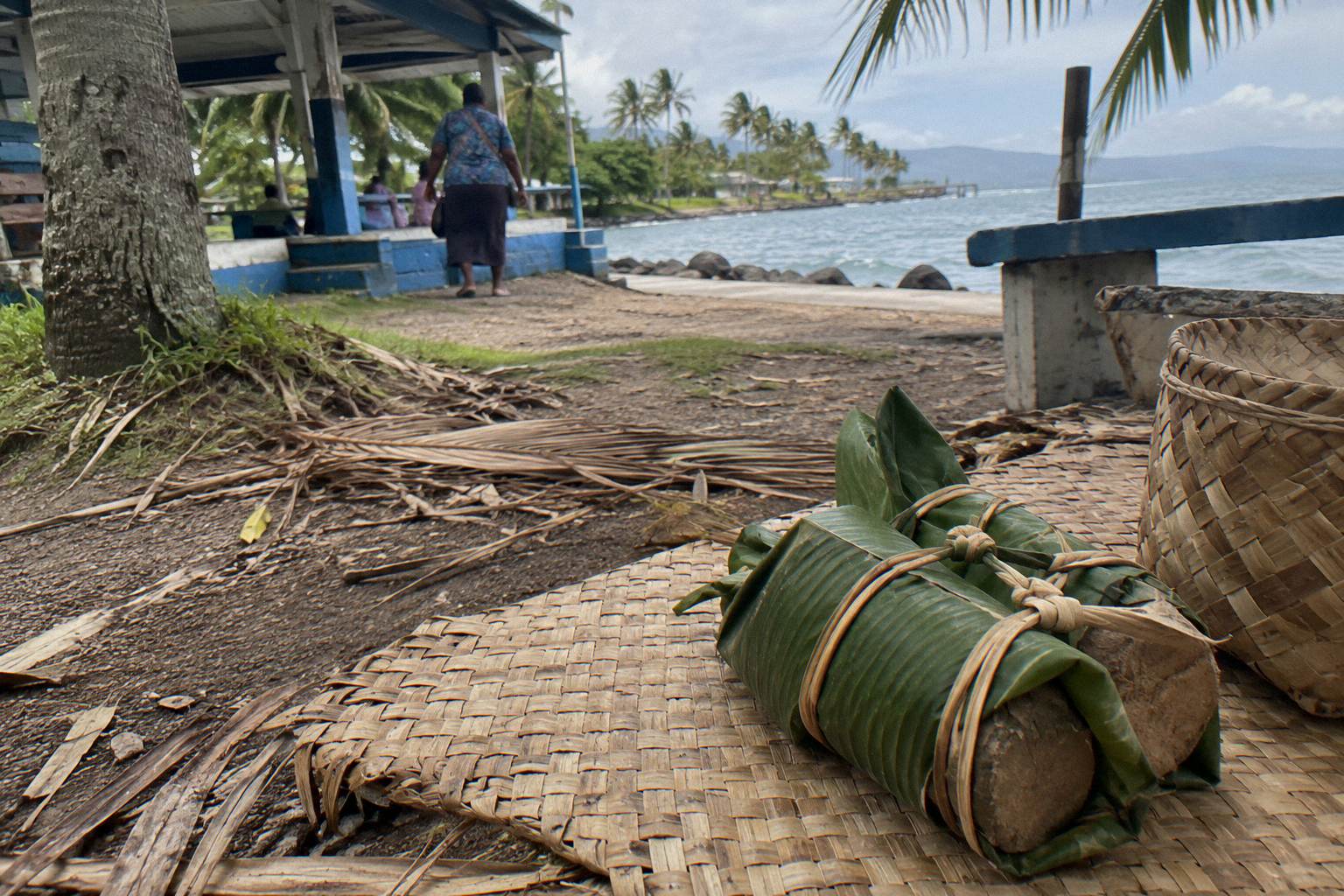
The word itself refers to the presentation and the asking of permission, not to the drinking that may follow. The gift is yaqona, kava root, which Tourism Fiji's kava guide describes as coming from the dried roots of Piper methysticum. In a village setting the gift goes to the chief; on a staged evening for visitors, the operator runs a version of the same idea, opened to guests who have not brought a gift of their own.
That distinction between a village sevusevu and a staged welcome is worth holding onto, because the evenings described later on this page are performances of welcome staged for visitors. They are genuine ceremonies in the sense that real kava is shared and the form follows the custom, but the visitor is a guest of an operator, not a guest arriving at a chief's door with a bundle of root. Both Tourism Fiji and the operators themselves draw the same line in how they word their pages.
The scope of what can be stated here is narrow by design. Tourism Fiji's etiquette page gives the definition above; its kava guide gives the drinking vocabulary and the price of a gift of root; the operators give the times at which their ceremonies run. Readers who want the deeper protocol, the chants, or the theology behind the custom will not find those stated in any official source available to this site, and inventing them would be worse than leaving them out. For the shape of the custom, what sevusevu is on the blog companion covers the same definition in more detail.
What Tourism Fiji's Guide Actually Says
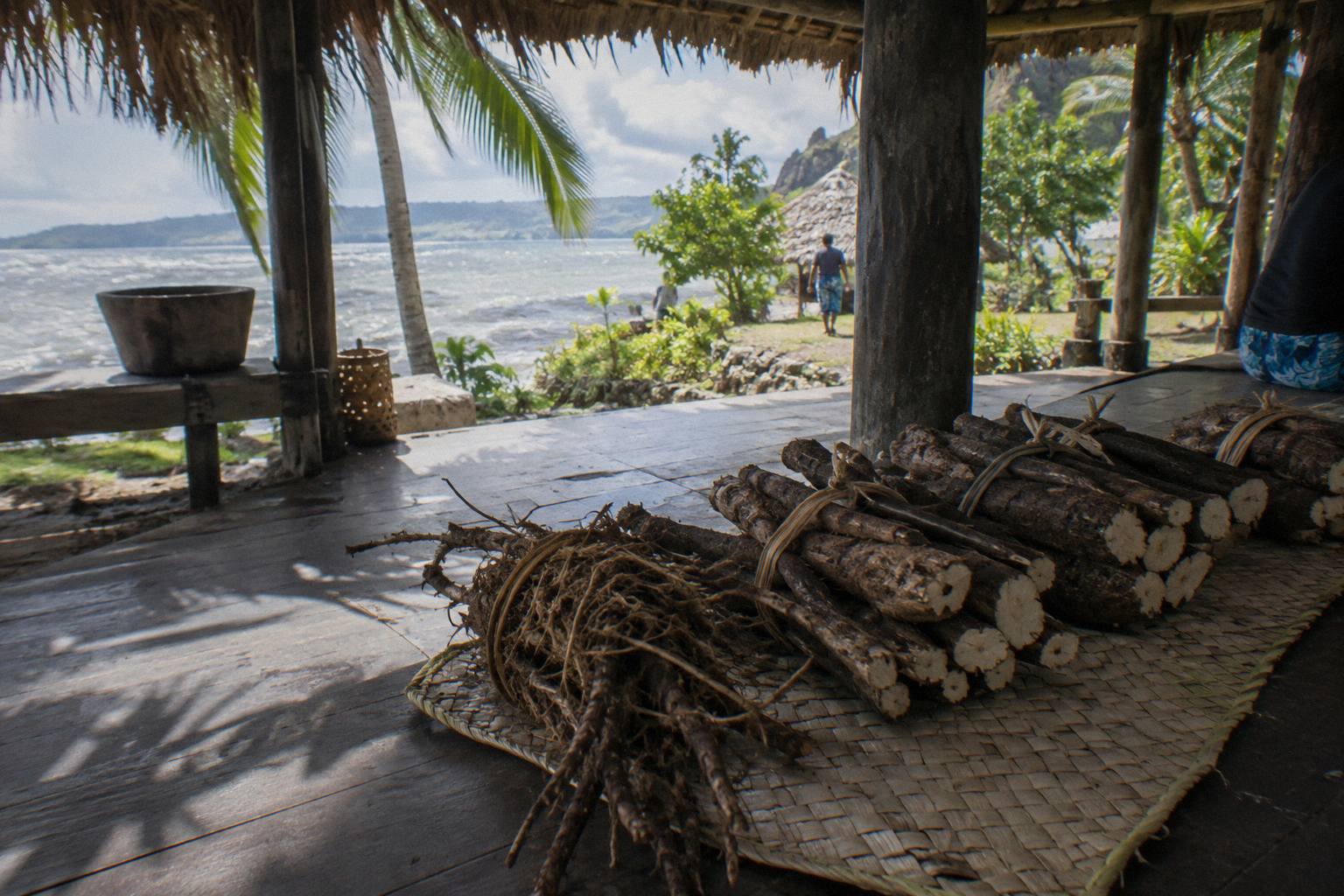
Tourism Fiji's etiquette page gives sevusevu one sentence: it is customary to present a small bundle or packet of powdered kava to the village chief to seek permission to enter their communal lands as a guest. Its kava guide, which spells the word i-sevusevu on that page, adds the only attached figure: a gift of half a kilogram of yaqona root costs around FJD 30 to 40, in Tourism Fiji's own words.
The definition is doing quiet work in that sentence. Permission is the point of the exchange, the visitor is the one asking, and the chief is the one who grants. Tourism Fiji frames the whole custom as a request to enter, not as payment or entertainment, which is why the etiquette page sits alongside its village dress rules: covering bare shoulders and legs, wrapping a sulu at the waist, removing hats and sunglasses, and asking permission before photographs. The sevusevu and the dress code belong to the same act of arriving well.
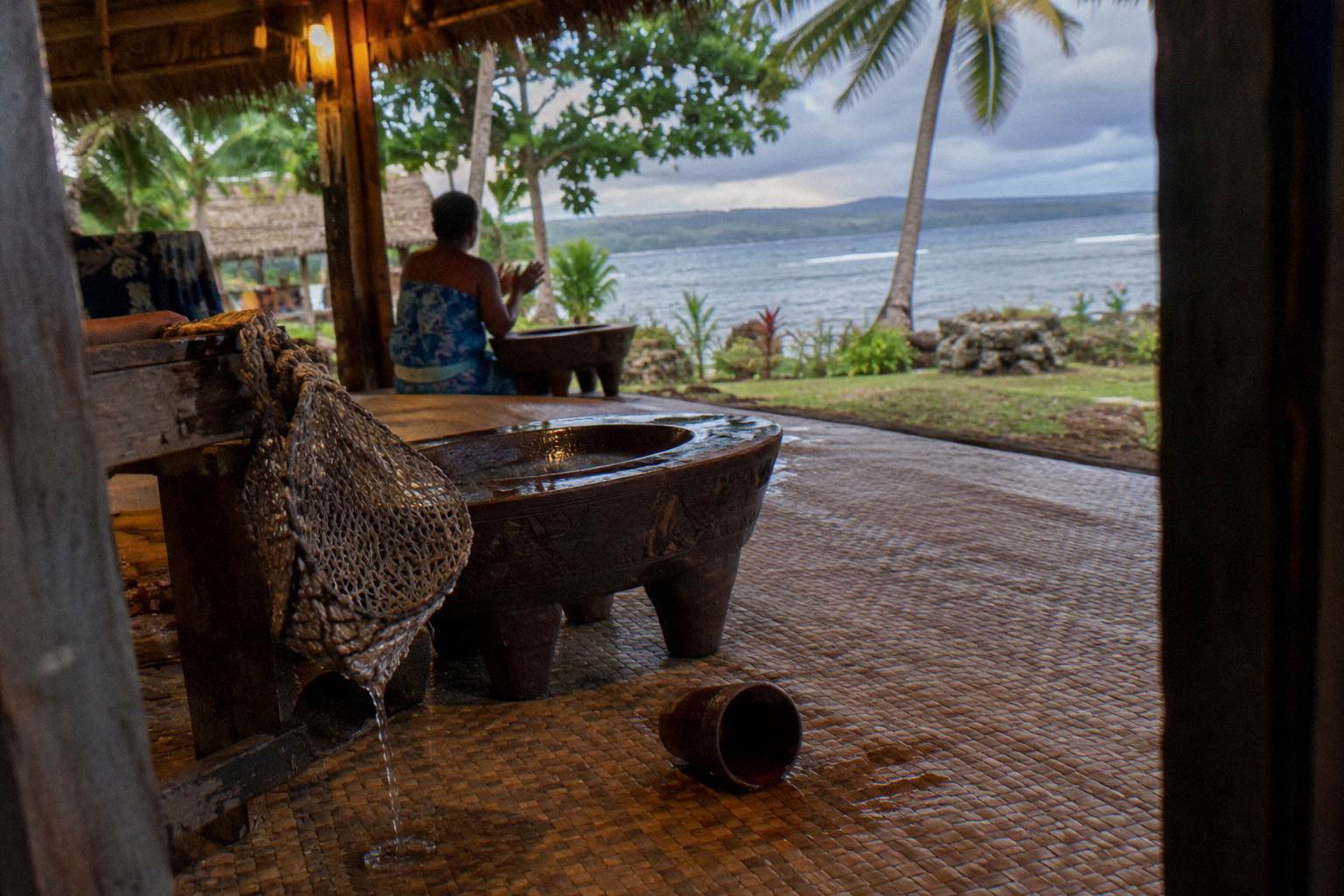
The kava guide's figure is useful to a visitor in exactly one way: it sizes the gift. Half a kilogram of yaqona root at around FJD 30 to 40 is Tourism Fiji's figure for a sevusevu gift, and it is attributed to Tourism Fiji here rather than presented as a market price, because the guide is the source and prices of root are not tracked on this site. Nobody booking a staged cultural evening needs to buy root: the operators supply the kava they serve. The figure matters to a visitor who is invited to an actual village occasion, where arriving without a gift would be the misstep.
The rest of the kava guide is about the drinking that follows, and it is the reason this page also covers the bilo, the tanoa, and the high tide and low tide vocabulary. Tourism Fiji's page on etiquette for visiting Fiji{: rel="noopener"} carries the sevusevu definition, and its traveller's guide to drinking kava{: rel="noopener"} carries everything cited here about the cup, the bowl and the clapping sequence.
Sevusevu On The Cultural Evenings Around Nadi
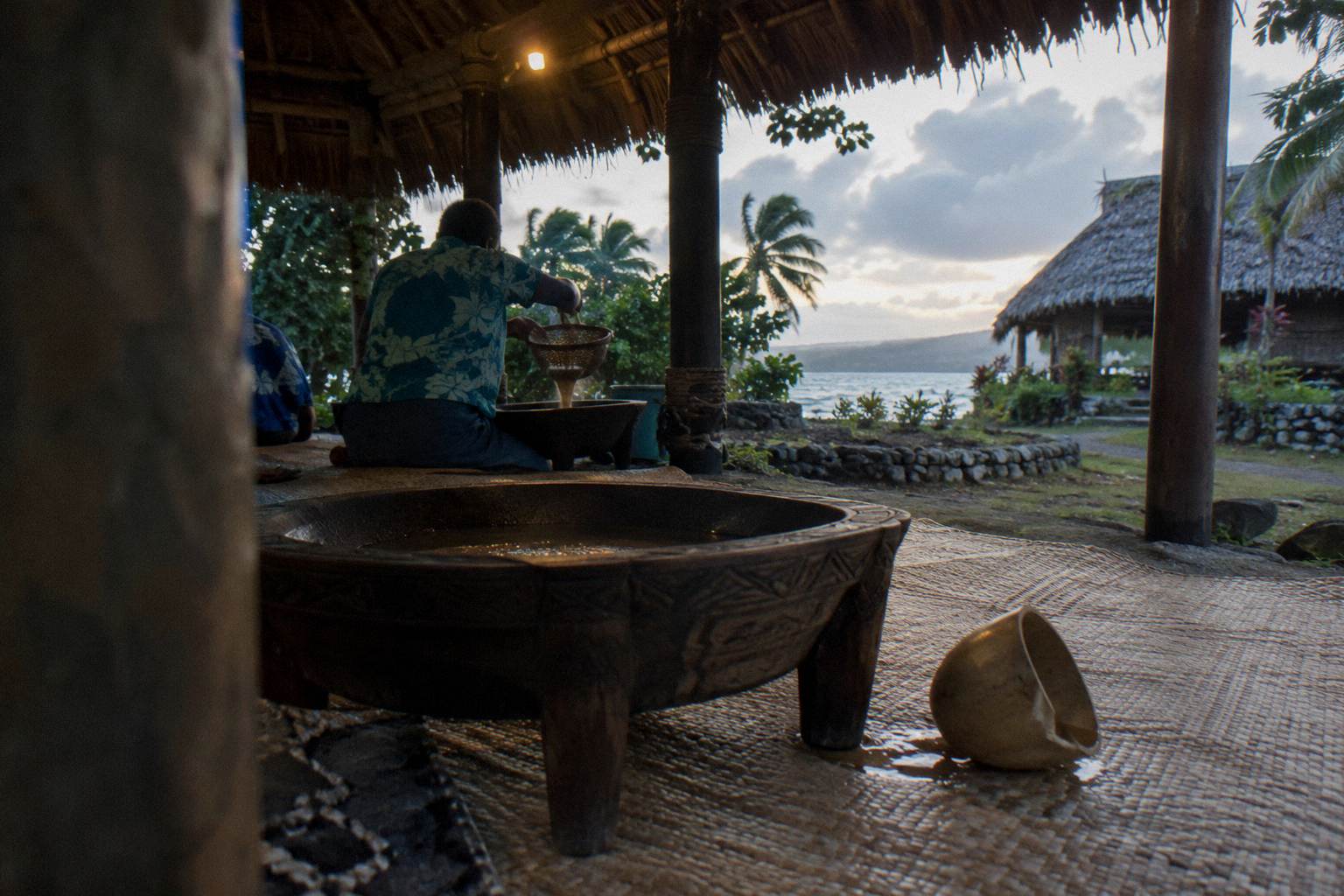
Two of the bookable evenings stage a version of the welcome. Robinson Crusoe lists a sevusevu welcome ceremony with kava tasting among the highlights of its Sunset Dinner Show, which runs Monday, Wednesday and Saturday, 5pm to 9pm on the island. Fiji Culture Village lists a kava ceremony, not a sevusevu, at 7:00pm on the timeline of its Cultural Night Tour, which runs Monday to Saturday with pick-up from 4:20pm.
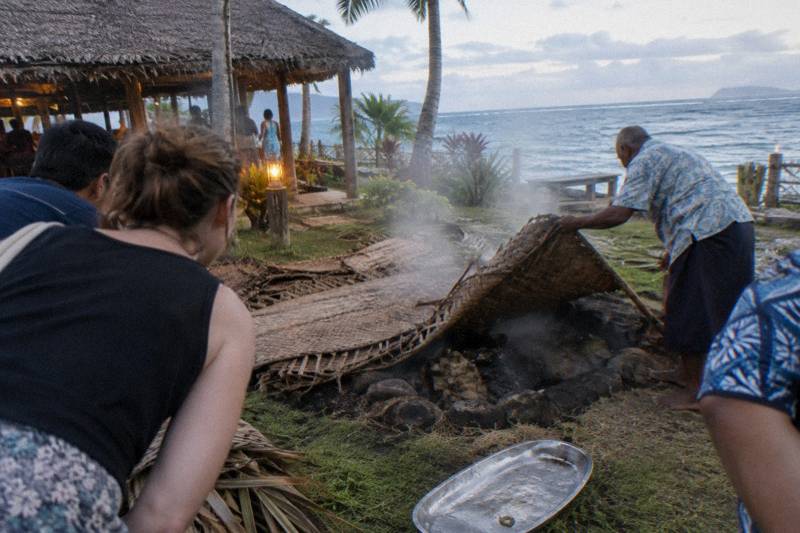
The Robinson Crusoe Sunset Dinner Show is the evening that names the ceremony directly. Its listed highlights include a 30-minute river cruise, the sevusevu welcome ceremony with kava tasting, a sunset bonfire and string band, a lovo dinner, and a fire walking demonstration. The operator's own itinerary for the evening runs: 5:00pm boat leaves the mainland jetty; 5:45pm arrival and a costumed island welcome; 6:00pm sunset beach bonfire with serenaders; 6:30pm lovo unearthing with a fire walking demonstration; 7:00pm lovo buffet dinner, then the Legends of the Pacific show with fire and knife dancing; 9:00pm Isa Lei farewell; 9:15pm boat departs. The sevusevu sits inside that flow as the welcome, ahead of everything else.
Fiji Culture Village, on Queens Road just outside Nadi town in Tourism Fiji's words, uses the plainer phrase. Its timeline puts a kava ceremony at 7:00pm, after a 5:15pm warrior welcome, a 5:30pm guided village walking tour, and the 6:45pm unearthing of the lovo, and before the 7:20pm buffet dinner and the 7:50pm meke show and fire dance. The operator's page does not call it sevusevu, and this page does not upgrade it to one; what is stated is a kava ceremony at a stated time. The evening runs about 4 to 4.5 hours door to door and includes return transfer from Nadi and Denarau hotels.
The third Nadi evening, the Valentine Tours Fijian Culture Night, Dinner And Meke Show, is billed with dinner and a meke show, and its booking page lists hotel pick-up from the Nadi and Denarau area with a duration of about 3 hours. Whether it includes a kava ceremony is not stated; the safe assumption is no assumption, and the booking page is the place to ask. The table below puts the three side by side on exactly what each operator states, with the gaps left as gaps.
| Evening | Ceremony stated by the operator | Where it sits in the evening | Nights |
|---|---|---|---|
| Robinson Crusoe Sunset Dinner And Fire Show | Sevusevu welcome ceremony with kava tasting | Listed among highlights, before the lovo dinner | Monday, Wednesday, Saturday |
| Culture Village Evening Tour With Dinner And Show | Kava ceremony | 7:00pm, between the lovo unearthing and dinner | Monday to Saturday |
| Valentine Tours Fijian Culture Night, Dinner And Meke Show | Not stated; check the booking page | Not stated | Not stated |
The choice between these evenings, for a reader whose main interest is the welcome ceremony itself, comes down to that wording. Robinson Crusoe is the evening that promises the named ceremony; Culture Village is the closer, shorter, cheaper-known evening with a published operator rate and a kava ceremony on a published clock. The Culture Village evening tour carries the operator's rate of F$175 adult, F$105 child aged 5 to 12, and F$500 for a family of 2 adults and 2 children, valid to 31 December 2026. Check availability if that timeline suits, and ask the operator anything the page leaves open.
How Kava Fits Into The Welcome
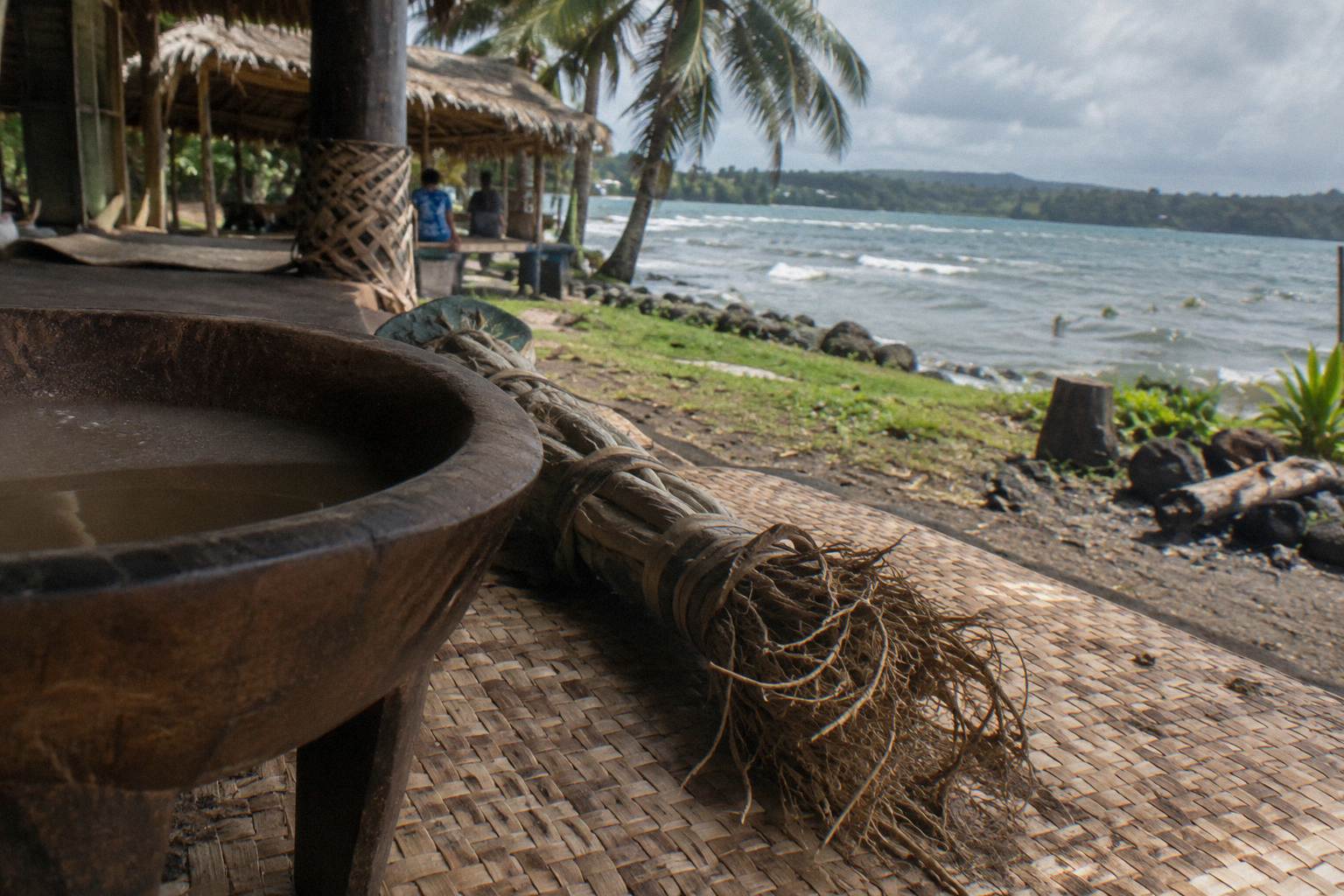
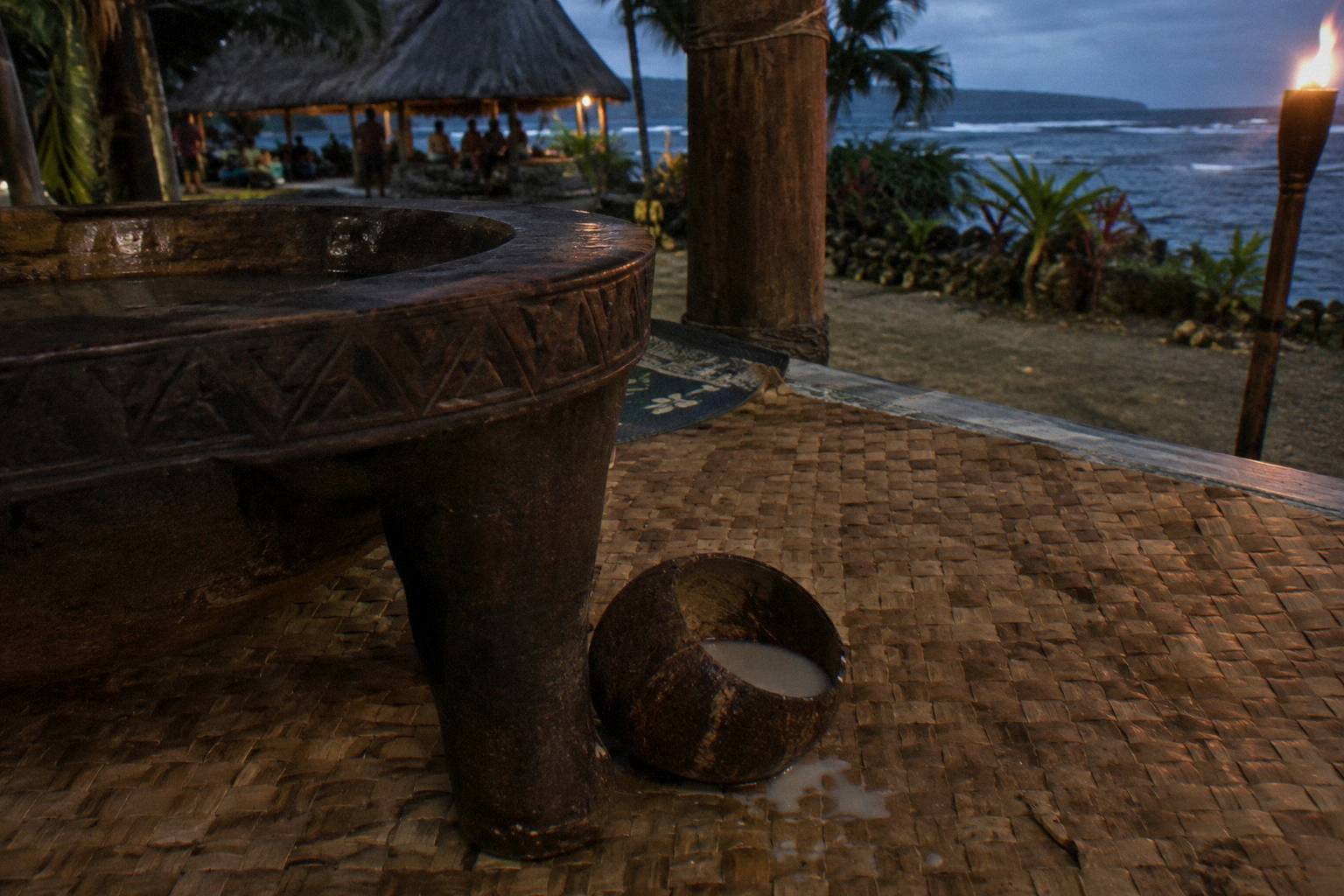
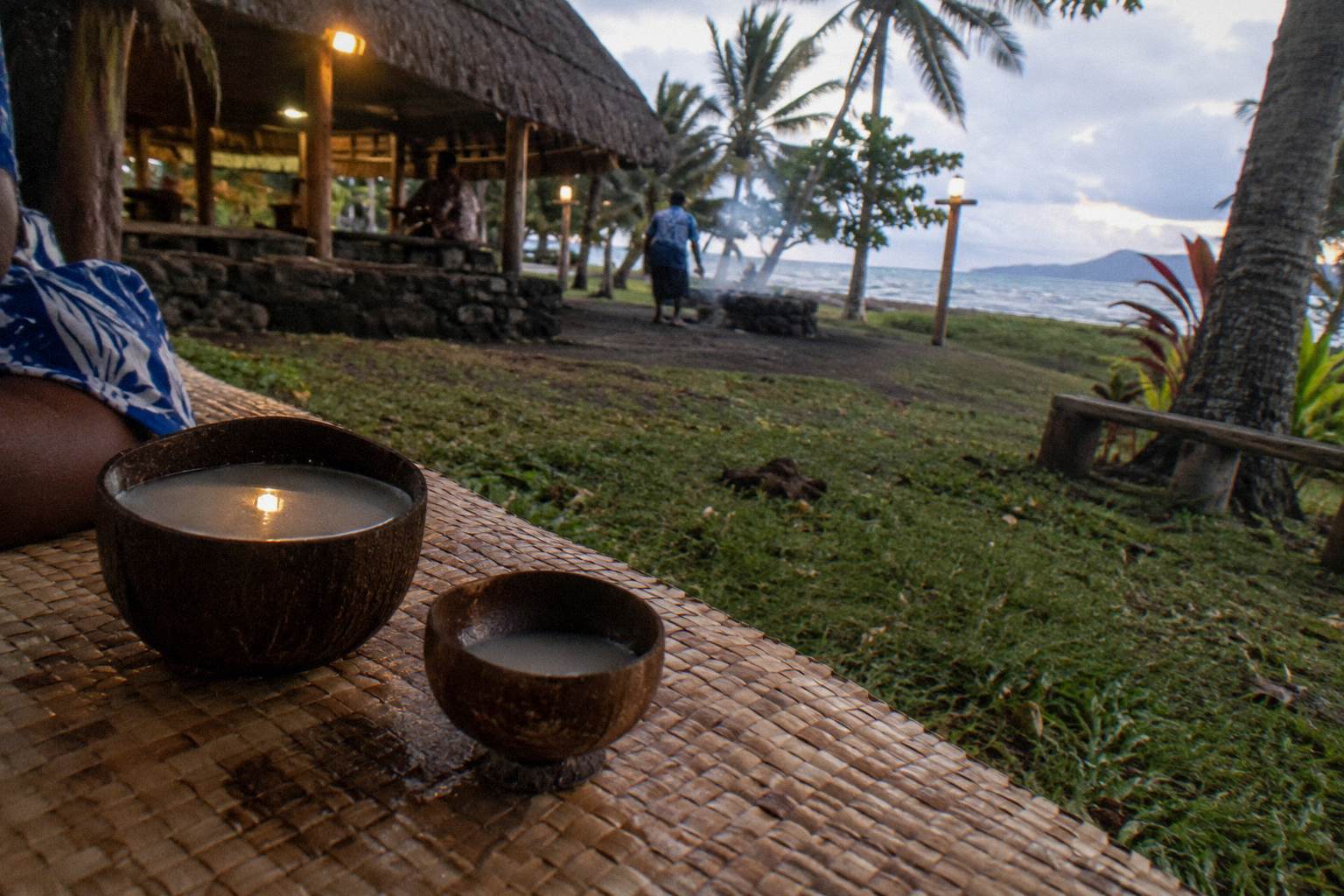
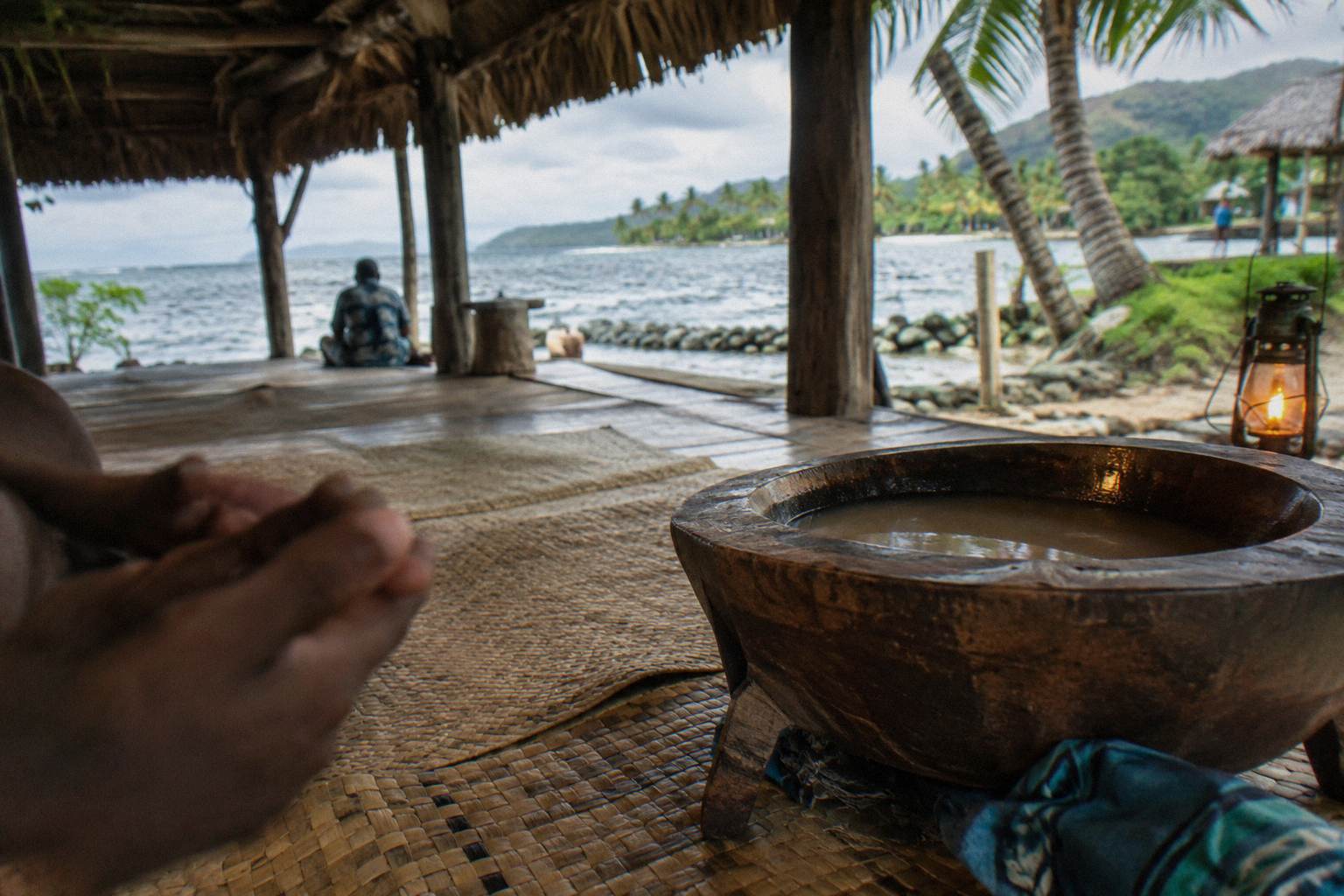
Kava, or yaqona, is the substance at the centre of sevusevu: Tourism Fiji's kava guide describes it as coming from the dried roots of Piper methysticum, served in a coconut shell cup called a bilo from a kava bowl called a tanoa. A full cup is high tide and a half cup is low tide in the guide's vocabulary. On the staged evenings, the operator supplies the kava; the visitor supplies nothing but presence.
The logic of the custom explains why root and not something else. The gift that asks permission to enter is the same substance that will be shared once permission is granted, so the presentation and the drinking are two halves of one exchange. Tourism Fiji's sevusevu line is about the presentation; its kava guide is about the drinking; together they describe the whole arc from arrival to first cup. On a cultural night the arc is compressed and hosted, but the substance and the vessels are the same ones the guide names.
What the sources do not say matters as much as what they do. The research behind this page does not cover whether declining a bilo is acceptable at a staged evening, the effects of kava on the body, its legal status in any country, or its preparation beyond the phrase dried roots. Those questions are answered elsewhere on this site in the words the sources allow, and health questions belong with a health professional. This page states what Tourism Fiji and the operators state, and stops there. For the drinking vocabulary in full, the guide to the Fiji kava ceremony covers the tanoa, the bilo and the sequence in one place.
How To Accept A Bilo, Step By Step
Tourism Fiji's kava guide gives four steps for accepting a bilo: clap once, cupped and loud; say Bula!; drink in one gulp; then return the cup, clap three times and say vinaka. The guide also names the two cup sizes, high tide for a full cup and low tide for a half cup, which a guest can request. These steps are Tourism Fiji's, quoted in its order.
Practising the sequence quietly beforehand takes a minute and removes the awkwardness of doing it live. The single clap is cupped and loud by the guide's description, the word is bula, the drink is one gulp rather than sipped, and the close is three claps and vinaka, which the guide glosses as thanks in the same breath as the clap count. A guest who asks for low tide is using the guide's own vocabulary, and the request is a recognised one rather than a stumble. The wider set of guides lives on Fiji Cultural Night Tours.
The table restates the sequence with the guide's words, so it can be read on a phone in the transfer on the way to the evening.
| Moment | What Tourism Fiji's Guide Says |
|---|---|
| Before drinking | Clap once, cupped and loud |
| The word | Say Bula! |
| The drink | Drink in one gulp |
| After | Return the cup, clap three times, say vinaka |
| Cup sizes | High tide is a full cup, low tide a half cup |
Whether a guest can decline the bilo altogether at a staged evening is not stated in the sources for this page, and the honest answer is to ask the operator before the ceremony starts: Fiji Culture Village on +679 804 4800, Robinson Crusoe on +679 776 0999. The sister question, for readers weighing it in advance, is treated carefully in whether you have to drink kava at a Fijian ceremony.
What A Sevusevu Gift Costs
The only published figure for the gift itself is Tourism Fiji's: a sevusevu gift of half a kilogram of yaqona root costs around FJD 30 to 40, in the kava guide's words. That figure is for someone presenting root at a village occasion, not for a ticketed cultural night, where the kava served is supplied by the operator and included in what the evening covers. No operator on this site asks visitors to bring kava.
For the evenings themselves, the only printed rates are Fiji Culture Village's operator rates in Fijian dollars. The family rate covers exactly 2 adults and 2 children and is not extended to other group sizes. Robinson Crusoe's tour pages print no prices; its terms say its rates are in Fijian dollars, tax inclusive of 15 percent VAT with a 3 percent credit card fee, and the booking page is where its prices are seen. Valentine Tours Fiji and VOU print none either; see the booking page for each.
| Item | Basis | Operator rate | Validity |
|---|---|---|---|
| Culture Village adult | Per adult | F$175 | To 31 December 2026 |
| Culture Village child | Ages 5 to 12 | F$105 | To 31 December 2026 |
| Culture Village family | 2 adults and 2 children | F$500 | To 31 December 2026 |
| Culture Village adult | Per adult | F$189 | To 31 December 2027 |
| Culture Village child | Ages 5 to 12 | F$115 | To 31 December 2027 |
| Culture Village family | 2 adults and 2 children | F$550 | To 31 December 2027 |
| Yaqona gift root | 1/2 kg, Tourism Fiji's figure | Around FJD 30 to 40 | Tourism Fiji's kava guide |
The gap between a FJD 30 to 40 gift of root and a F$175 evening ticket is not a comparison the sources make, and this page does not make it either: one is a gift of substance presented to a chief, the other is a ticket to a hosted evening with transfers, dinner and shows. They are printed together here only because a reader planning a village-adjacent trip may meet both, and knowing which figure belongs to which thing prevents the obvious confusion.
Dress And Etiquette Around The Ceremony
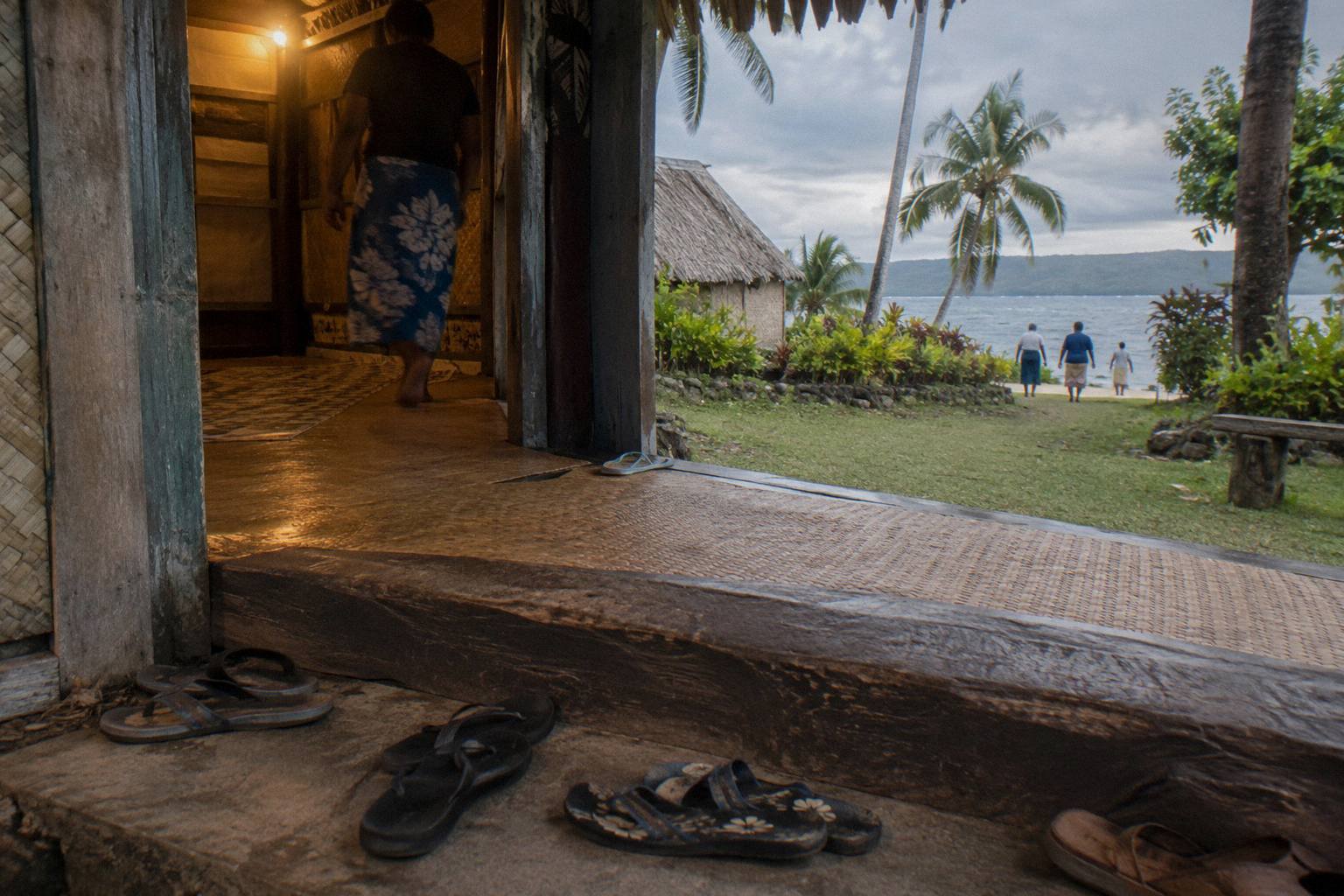
Tourism Fiji's etiquette page sets the dress standard for a village visit in its own words: cover your bare shoulders and legs when visiting a Fijian village, and wrap a sulu around the waist. The same page asks visitors to remove hat and sunglasses, carry bags in hand rather than on shoulders, ask permission before photographs, remove shoes before entering any village building, speak softly, and not touch anyone's head, which it calls sacred in many villages.
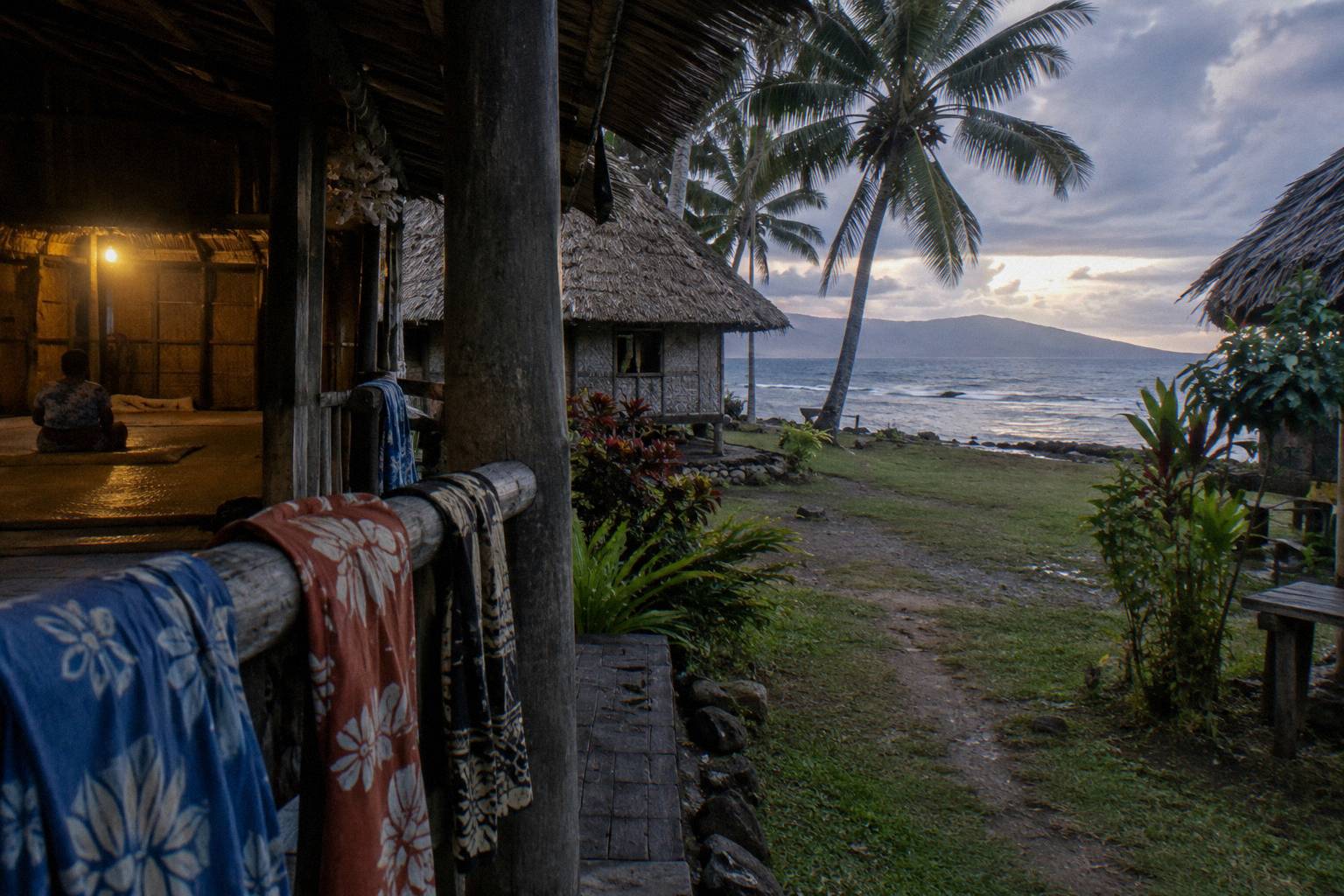
The sevusevu moment sits inside this wider etiquette, not beside it. A guest who is welcomed with kava on a staged evening is still standing somewhere with rules, and the rules Tourism Fiji publishes are the ones to carry: covered shoulders and legs, a sulu at the waist, shoes off before entering a building, photographs only with permission. The same page notes that Sundays are sacred and most village tours do not run, which matches the operators' own calendars: Fiji Culture Village runs Monday to Saturday and closes on Sunday, and Robinson Crusoe's evenings run Monday, Wednesday and Saturday. The full etiquette rundown for a cultural night and the companion piece on what to wear to a Fijian village night carry the practical side in more detail.
Robinson Crusoe's own guidance is specific to its Combo, which includes a guided Vusama Village visit: it requests that visitors cover shoulders and bring a sulu or sarong to wear during the village visit, and notes spare sulus are available. Its night-tour FAQ suggests resort wear, insect repellent and Fijian dollars for drinks. Fiji Culture Village's dress guidance is not stated on its page; ask the operator. The operator's terms also note the FAQ point that dietary needs are to be advised at the time of booking, with no vegan or halal options stated by any operator.
Sevusevu Vs A Kava Ceremony: The Difference In Wording
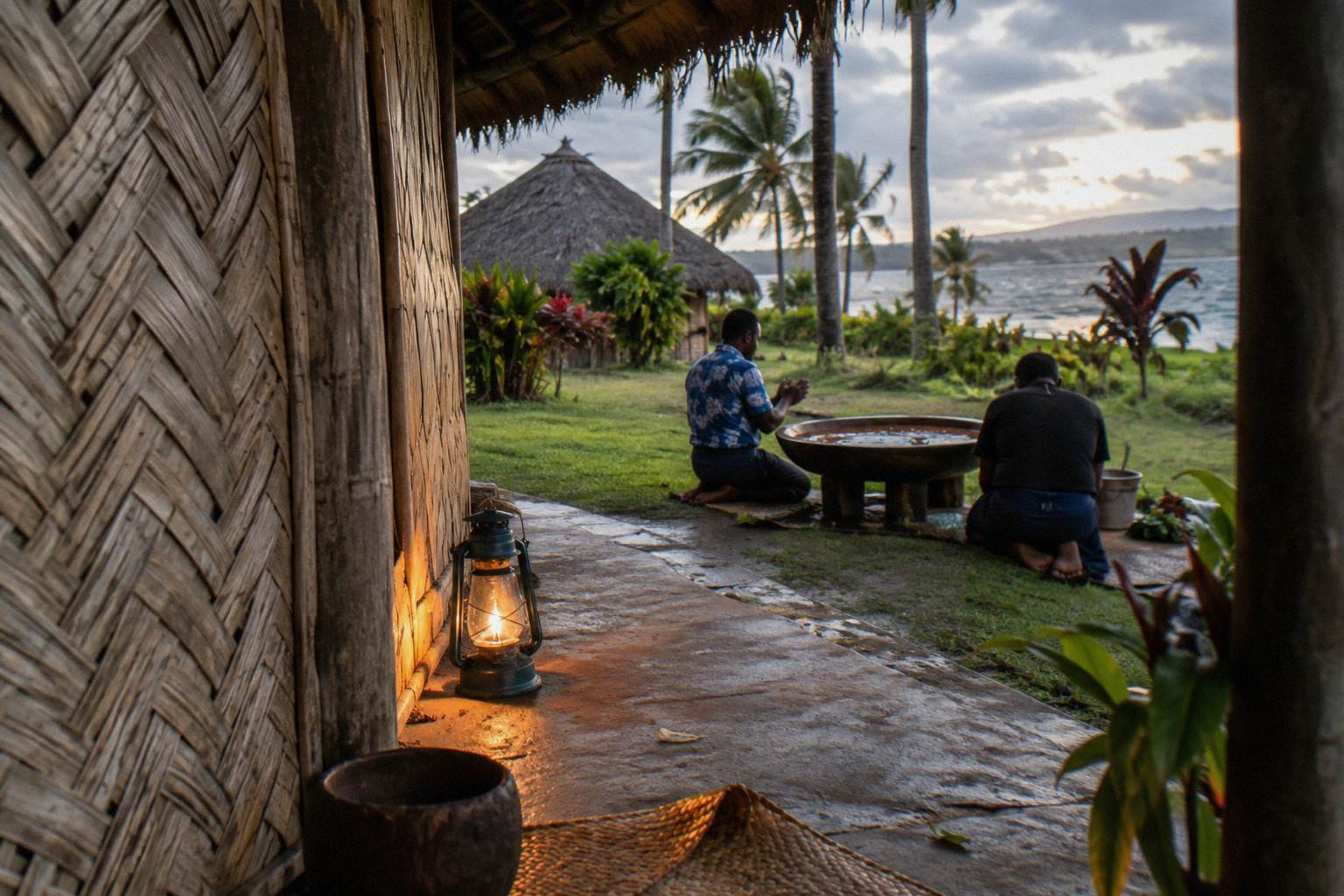
The difference is one of context, not substance. Sevusevu names the presentation of kava that asks permission to enter communal land, Tourism Fiji's definition, and it belongs to arriving. A kava ceremony, the phrase Fiji Culture Village uses, names the sharing of the drink and says nothing about arrival or permission. Both evenings serve kava; only Robinson Crusoe uses the word sevusevu for its welcome.
A reader choosing an evening on this point alone would weigh it like this. The Robinson Crusoe evening frames its welcome in the language of the custom itself and ties it to a place, the island reached by a 30-minute calm-water cruise down the Tuva River after a coach ride to the jetty near Natadola Beach, 45 minutes from Nadi. The Culture Village evening frames its ceremony as one item on a published clock, between the lovo unearthing at 6:45pm and dinner at 7:20pm, on a night that runs about 4 to 4.5 hours door to door with the return transfer included. Neither is more authentic than the other as a claim; the sources support no such comparison, and this site makes none.
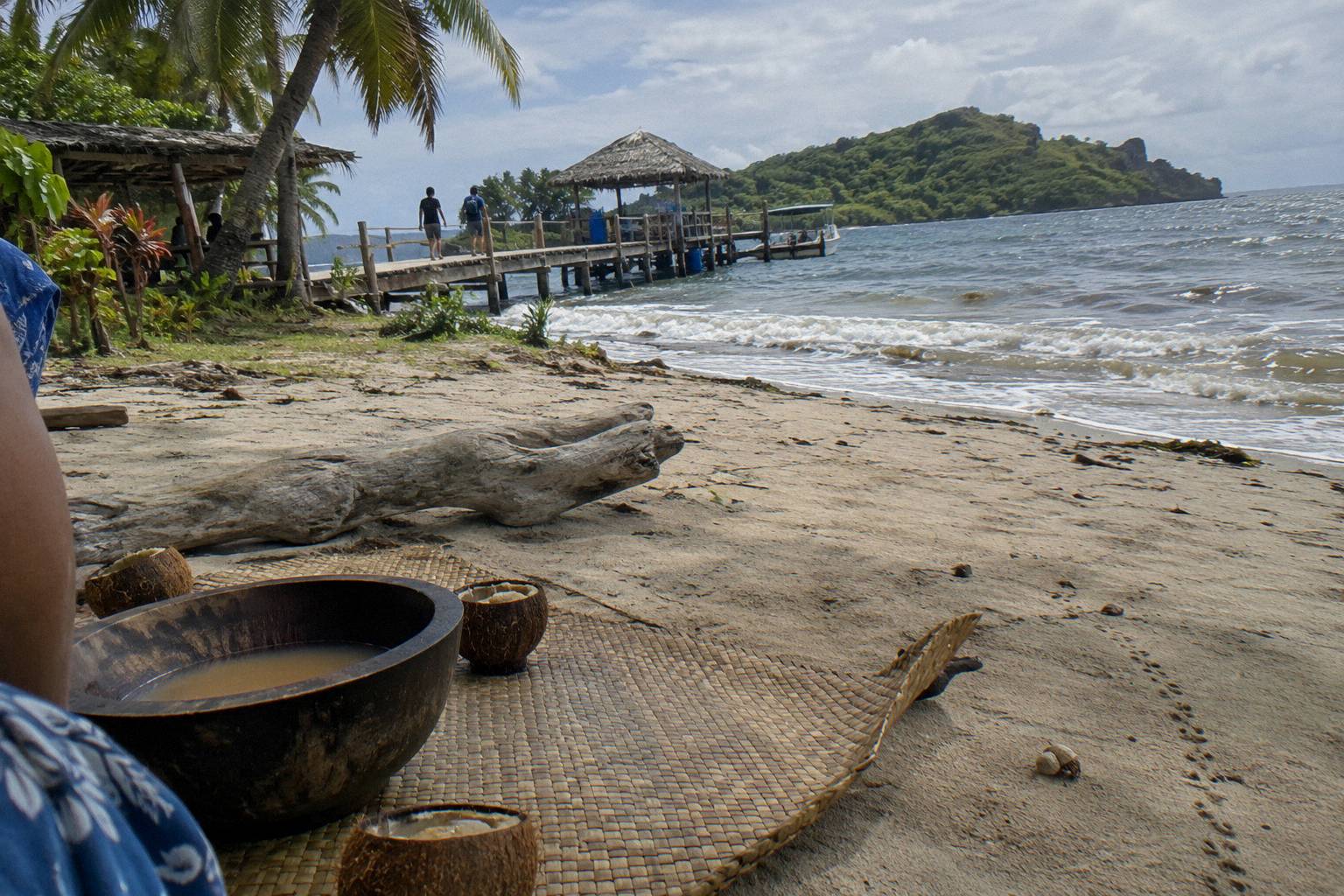
The Sunset Dinner Show's full shape, for readers weighing it after the ceremony question, runs about 4 hours on the island from 5pm to 9pm, with return coach transfers from Nadi, Denarau and Coral Coast hotels as far as the Warwick plus the launch transfers included. Its terms give a full refund for cancellations 24 hours or more before pick-up and a 100 percent forfeit inside that window, and management may cancel under 15 adults or for weather. Those terms, not a promise about the night, are what a booking actually rests on, and the operator's Sunset Dinner Show page{: rel="noopener"} is the primary source for the itinerary quoted throughout this section.
The Day And Night Option, If The Welcome Is The Main Interest
Robinson Crusoe's Day And Night Combo wraps the full Sunset Dinner Show, sevusevu welcome included, inside an 11-hour day from 10am to 9pm on Monday, Wednesday and Saturday. Before the evening it adds a guided Vusama Village visit, mud crab catching, snorkelling and sea kayaks, a BBQ buffet lunch, a bush medicine walk and coconut climbing, and the operator tags it as suiting adventurers. The sulu request for the village visit belongs to this tour.
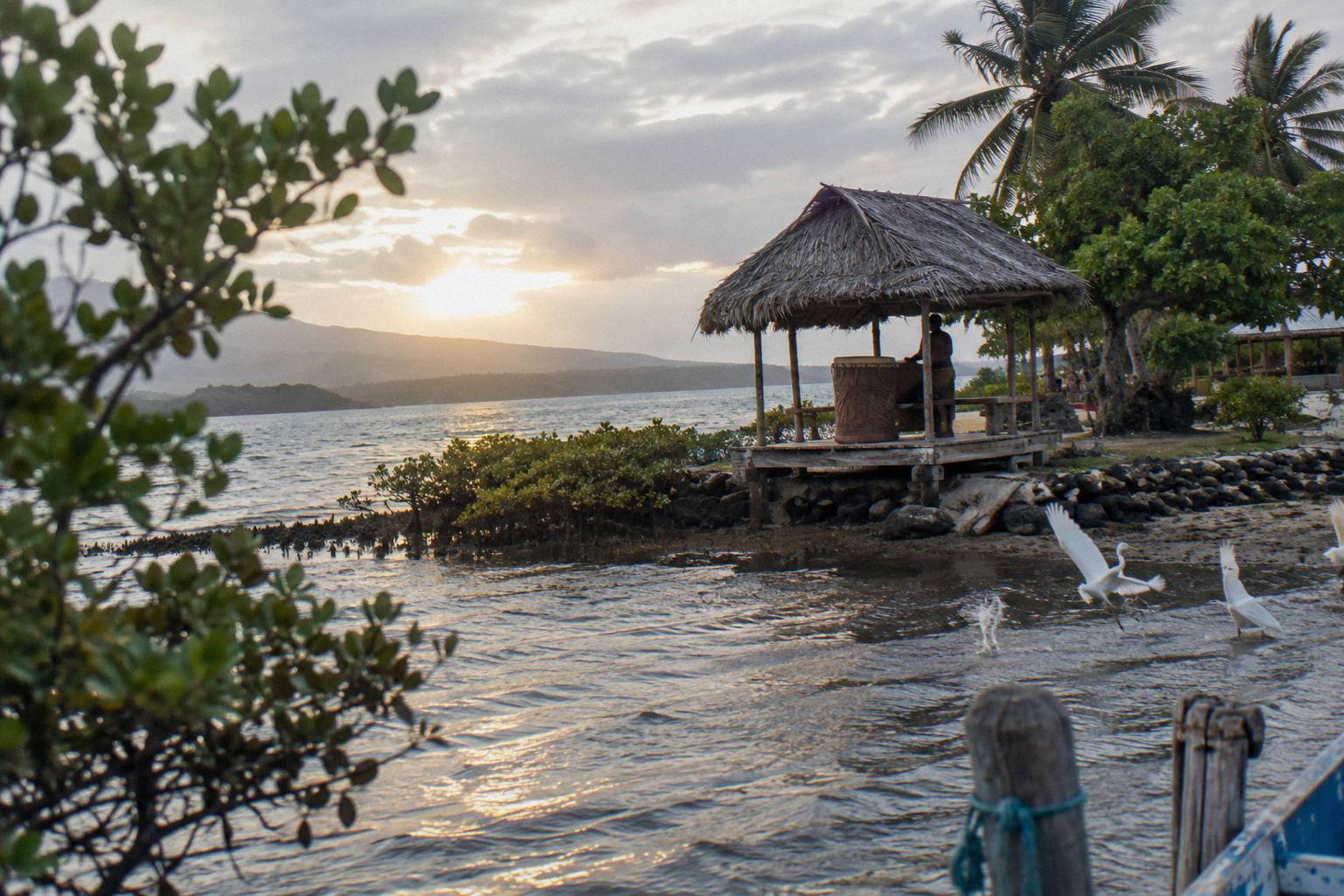
That combination is why the Combo earns a mention on a page about the welcome ceremony. A reader whose interest in sevusevu comes from wanting to see village life rather than only a staged evening gets both in one booking: the village visit with its dress request during the day, and the sevusevu welcome with kava tasting when the boat reaches the island for the evening portion. The same terms, transfers and cancellation rules as the Sunset Dinner Show apply, and the same 15-adult minimum and weather clauses sit in the operator's terms. The full Robinson Crusoe cultural night guide breaks the operator's evenings down further.
Readers short on time, or travelling with young children, should weigh the length plainly: about 11 hours against about 4 to 4.5 hours for the Culture Village evening and about 3 hours for the Valentine Tours night. The operator tags the evening show as suiting adults, with no minimum age stated, and tags its separate daytime Culture Day Tour as suiting families; those tags are the operator's own words. The Day Tour runs Tuesday, Thursday and Sunday, 10am to 4pm, which fills the three nights the evening show does not run, and it is a daytime product rather than an evening one.
A middle path exists for readers who want an evening in Nadi without the island transfer and without the longest night. The Valentine Tours Fijian Culture Night runs about 3 hours with hotel pick-up from the Nadi and Denarau area, is billed with dinner and a meke show, and leaves its ceremony details to the booking page, which is where any question about kava should be asked before booking rather than after.
Common Mistakes When Attending A Sevusevu
The recurring mistakes are small and avoidable: expecting the staged welcome to require a gift of kava when the operator supplies what is served; assuming the Culture Village evening includes a named sevusevu when its page says kava ceremony; treating the ceremony as audience entertainment rather than a hosted form of a custom; and forgetting the dress rules Tourism Fiji publishes for any village setting. Each mistake comes from reading one operator's wording onto another's evening.
The gift mistake is the most common conceptual slip. Tourism Fiji's FJD 30 to 40 figure for half a kilogram of yaqona root belongs to a visitor presenting sevusevu at a village occasion, and no operator on this site asks a ticketed guest to bring root. Reading the price of a gift onto the price of a ticket, or wondering whether to buy kava before a cultural night, is solved by knowing the figure's context. The wording mistake is similar in shape: Robinson Crusoe says sevusevu, Culture Village says kava ceremony, and a reader who books the second expecting the first has misread a page that states exactly what it offers.
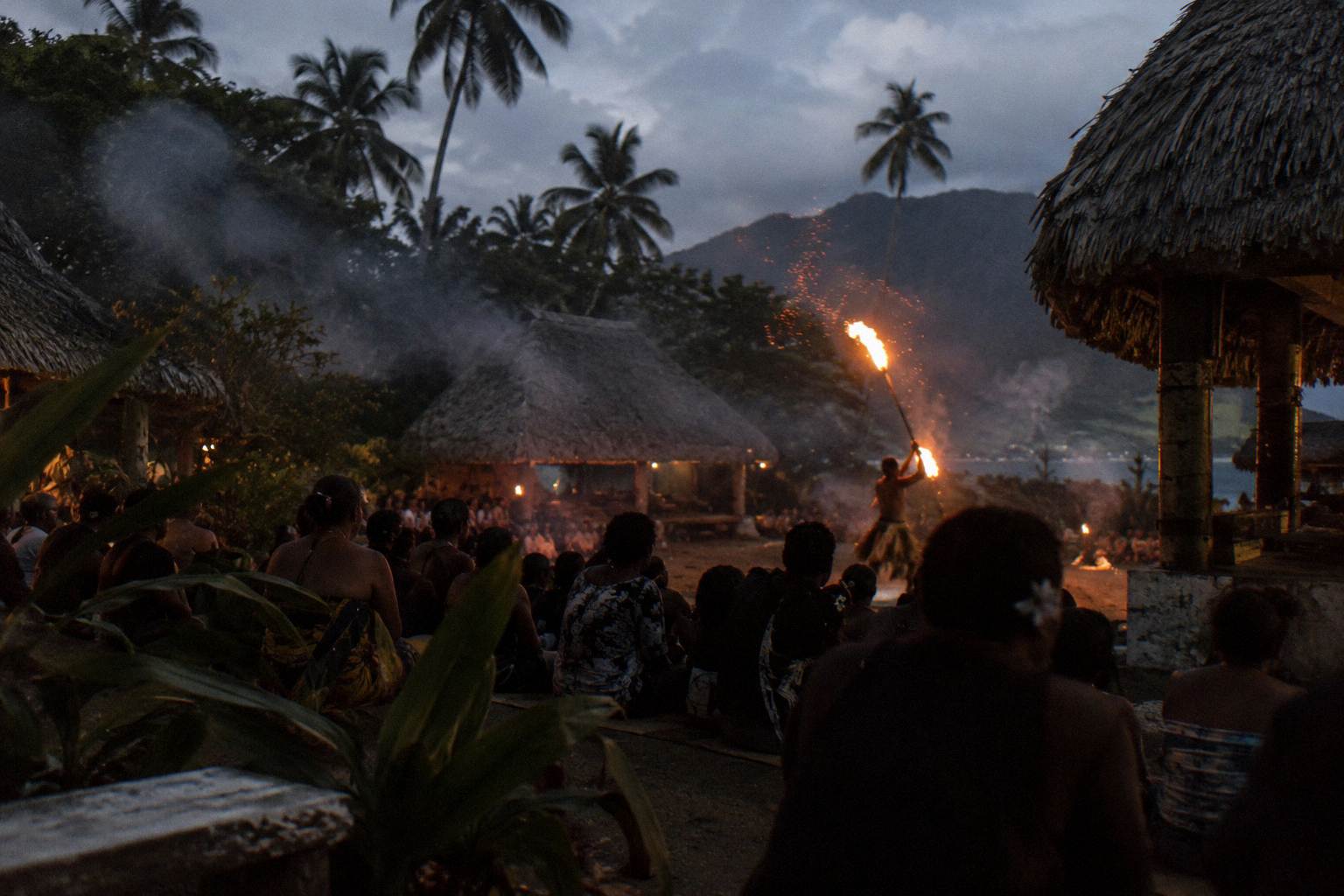
The dress mistake is corrected before departure. Covered shoulders and legs, a sulu at the waist, shoes off indoors, photographs only with permission, and no touching of anyone's head are Tourism Fiji's published rules for village settings, and Robinson Crusoe's own request for the Combo village visit matches them. The final mistake is timing: Fiji Culture Village closes for annual maintenance from Monday 22 February 2027 to reopening on Wednesday 10 March 2027, per the operator's notice, and its nights run Monday to Saturday, so the calendar decides the evening before any preference does. Planning around those fixed nights is covered in whether you need to book a Fiji cultural night in advance.
Common Questions About Sevusevu
What Is Sevusevu?
Tourism Fiji defines it as customary to present a small bundle or packet of powdered kava to the village chief to seek permission to enter their communal lands as a guest. It is a request for permission marked by a gift of yaqona, not a payment or a performance.
Do I Need To Bring Kava To A Cultural Night?
No operator on this site asks ticketed guests to bring kava; the operator supplies what is served. Tourism Fiji's figure of around FJD 30 to 40 for half a kilogram of yaqona root applies to a gift presented at a village occasion, not to a booked evening.
Which Tours Include A Sevusevu Welcome Ceremony?
Robinson Crusoe lists a sevusevu welcome ceremony with kava tasting among the highlights of its Sunset Dinner Show and its Day And Night Combo. Fiji Culture Village lists a kava ceremony at 7:00pm on its timeline. Valentine Tours Fiji and VOU state nothing about a ceremony; check the booking page.
How Do I Accept A Bilo Of Kava?
Tourism Fiji's kava guide gives the steps: clap once, cupped and loud; say Bula!; drink in one gulp; return the cup, clap three times and say vinaka. A full cup is high tide and a half cup is low tide in the guide's vocabulary.
What Should I Wear To A Ceremony?
Tourism Fiji's etiquette page says to cover bare shoulders and legs when visiting a Fijian village and wrap a sulu around the waist. Robinson Crusoe makes the same request for its Combo village visit and notes spare sulus are available. Fiji Culture Village's dress guidance is not stated; ask the operator.
Can I Decline The Kava?
Whether declining is acceptable at a staged evening is not stated in the sources for this page. Ask the operator before the ceremony starts: Fiji Culture Village on +679 804 4800 or Robinson Crusoe on +679 776 0999.